


More news on this day
Passengers at Cincinnati/Northern Kentucky International Airport faced mounting frustration on June 21 as publicly available tracking data showed one cancellation and roughly 45 delays involving Jazz Airlines, Allegiant Air, Southwest Airlines and American Airlines, disrupting travel toward major hubs including Paris, Montreal, Toronto, Guadalajara, Philadelphia and Washington DC.
Get the latest news straight to your inbox!
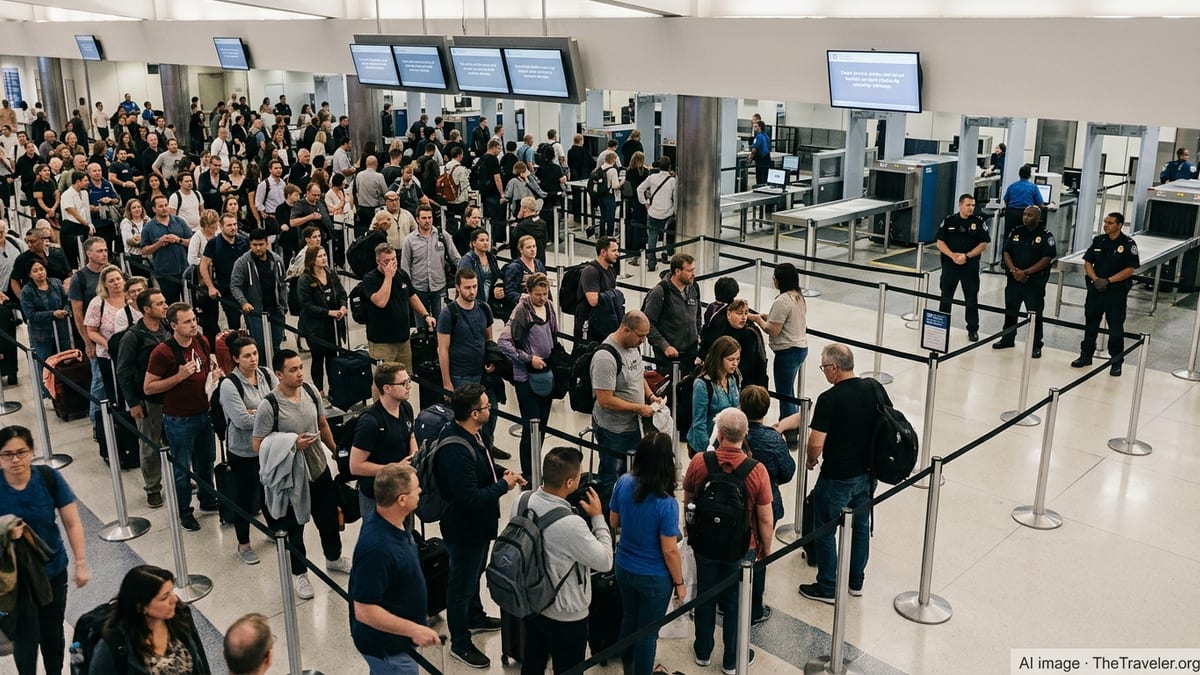
Ripple Effects Across Domestic and International Routes
Operational data from multiple flight-tracking dashboards indicated that the day’s disruptions at Cincinnati/Northern Kentucky International Airport, commonly known as CVG, were concentrated among short and medium haul departures that connect travelers to larger international gateways. While the single cancellation appeared limited to one domestic leg, the wave of delays threatened onward connections to transatlantic and cross-border flights bound for Europe, Canada and Mexico.
Travelers heading to Paris were particularly vulnerable where CVG services feed into major hubs used by alliance and codeshare partners. Delayed departures to East Coast and Midwest airports meant tighter transfer windows for evening services to France, raising the risk of missed connections and unplanned overnight stays. Similar patterns affected itineraries routed through Montreal and Toronto, two of the primary Canadian gateways for passengers starting their journeys in the Ohio and Kentucky region.
For passengers traveling to Guadalajara, Philadelphia and Washington DC, publicly available schedules suggested lengthy waits on the ground, rolling gate changes and shifting estimated departure times. The knock-on effect is often felt well beyond the initial delay as aircraft and crews arrive late to their next destinations, extending the disruption into the late evening and early morning bank of flights.
Jazz, Allegiant, Southwest and American Confront Operational Strain
Jazz Airlines, the regional operator that supports a large share of Air Canada’s domestic and transborder network, plays a key role in funneling travelers from U.S. cities like Cincinnati into Canadian hubs such as Montreal and Toronto. When its flights run late or face operational holds, passengers with onward international segments often see their entire itinerary reshuffled, particularly those on tightly timed connections.
Allegiant Air, which has developed CVG into an important operating base, has in recent years expanded its reach to leisure destinations across the United States and into Mexico. Industry coverage and recent schedule updates show the airline leaning heavily on point to point routes, meaning that a delayed turn at Cincinnati can reverberate through a limited number of weekly services to cities such as Guadalajara, where alternatives on the same carrier may not be available for several days.
Southwest Airlines and American Airlines, two of the largest operators of domestic feed traffic in the United States, also appeared among the most affected on CVG’s departure screens. Publicly accessible status pages showed flights awaiting inbound aircraft, dealing with crew timing limitations and navigating broader congestion patterns in the national airspace system, all of which contribute to rolling departure delays that can easily stretch beyond an hour.
Weather, Congested Airspace and Scheduling Gaps Amplify Disruptions
Air travel analysts frequently point to a combination of localized weather, saturated airspace along the Eastern Seaboard and limited slack in airline schedules as the main drivers of days like this at Cincinnati. Even when conditions at CVG are relatively stable, storms near key control centers or at major hubs can trigger flow control measures that slow departures, holding aircraft at gates or on taxiways until air traffic managers are confident they can be absorbed safely into the system.
Once delays begin to accumulate, the tightly choreographed movement of aircraft and crews becomes difficult to recover. Crews are restricted by duty time rules, which can force last minute swaps or cause flights to be reassigned if earlier segments run long. On days with heavy traffic and minimal spare capacity, one delayed arrival can quickly cascade into multiple late departures, and in some cases the cancellation of a final leg when no legal or rested crew remains available.
For passengers, this operational reality translates into extended time at the gate, nervous monitoring of departure boards and the constant recalculation of connection options to reach cities such as Paris, Montreal, Toronto or Guadalajara. Travelers on separate tickets or on low frequency routes face the greatest risk, as rebooking options may be limited or involve significant detours through secondary hubs.
Passengers Grapple With Missed Connections and Limited Options
As delays stretched through the day at Cincinnati, travelers connecting to long haul flights encountered shrinking buffers at their next stops. Those booked through to Paris via East Coast or Canadian hubs faced the prospect of rebooking onto later departures or even next day services, depending on seat availability and the timing of their delayed CVG departure. For some, the disruption meant missed hotel reservations, tour departures or business meetings scheduled for the following morning.
Passengers bound for Montreal and Toronto experienced similar complications, particularly where regional Jazz-operated flights served as the first leg on a complex itinerary. When feeder flights are late, transborder travelers must clear additional formalities before boarding onward services, further tightening already constrained transfer windows. Even modest delays at CVG can therefore translate into missed international flights and extended rebooking queues.
On routes to Guadalajara, Philadelphia and Washington DC, the impact often shows up as late night arrivals or the loss of same day return options. Publicly available aviation forums and past reporting highlight how travelers on low frequency routes may be offered hotel stays, ground transport to alternate airports or rebooking on other carriers only when schedule disruptions become severe. For many, the immediate priority is simply securing a confirmed seat out of Cincinnati as aircraft fill quickly once rebooking begins.
Guidance for Travelers Departing Cincinnati
Travel industry guidance consistently emphasizes the importance of proactive monitoring on days when an airport experiences a concentration of delays and at least one cancellation, as occurred at CVG. Passengers are advised to track their flight number through official airline apps and airport displays, watch for gate or schedule changes and consider same day standby options when available, particularly for time sensitive international journeys.
Those connecting to long haul flights to Paris or major Canadian and Mexican cities are typically encouraged to build in generous layover times and, when possible, to schedule key events for at least a day after planned arrival. This approach offers a buffer against the sort of rolling disruptions now common during peak travel periods, especially when multiple carriers at a single airport are simultaneously managing delays.
For travelers still to depart Cincinnati, rebooking at the first sign of an extended delay often yields better outcomes than waiting until a flight is formally canceled. With Jazz Airlines, Allegiant Air, Southwest Airlines and American Airlines all experiencing schedule strain, available seats on alternative departures can disappear quickly, making early decisions crucial for anyone trying to preserve essential connections to Montreal, Toronto, Guadalajara, Philadelphia, Washington DC or onward to Europe.