


More news on this day
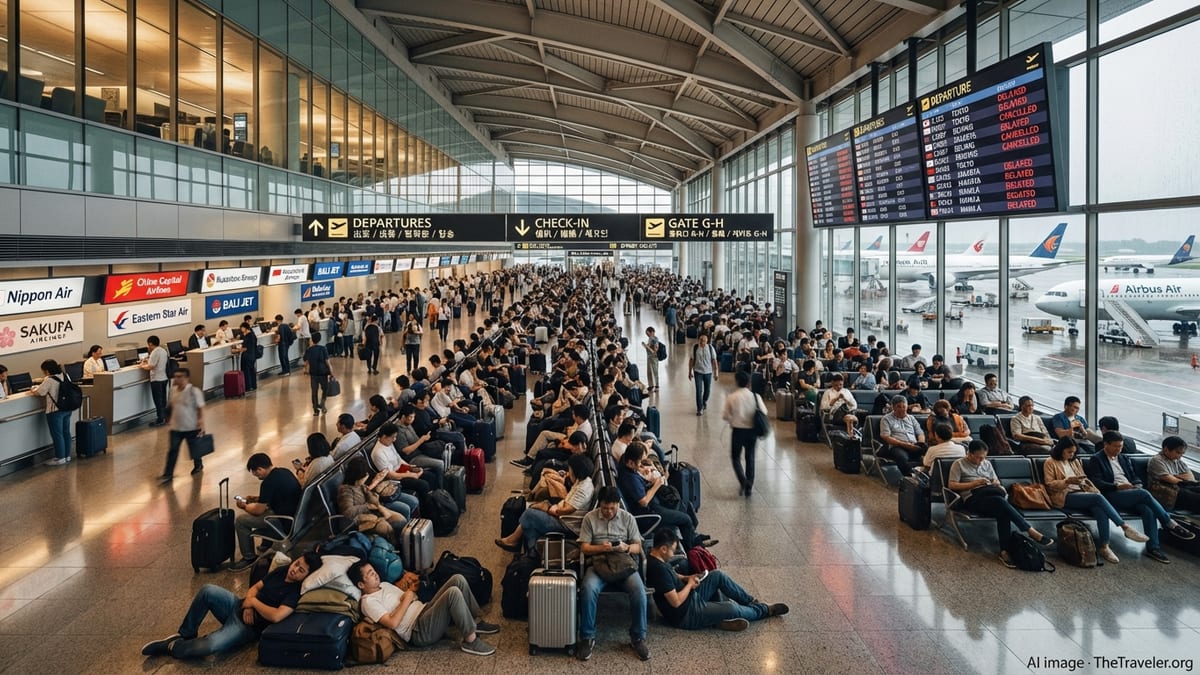
Air travel across Asia and key Middle Eastern hubs faced severe disruption as 134 flights were cancelled and 913 delayed at major airports including Tokyo Haneda, Shanghai, Mumbai, Kuala Lumpur and Dubai, with carriers such as China Eastern, Fuji Dream Airlines, SpiceJet and Malindo Air among those affected, according to early operational data and airport departure boards.
Get the latest news straight to your inbox!
Major Hubs Struggle With High Volume of Disruptions
The latest wave of cancellations and delays has rippled through some of the region’s busiest airports, where high traffic volumes and tight scheduling leave little margin for disruption. Tokyo Haneda, Shanghai Pudong and Hongqiao, Mumbai Chhatrapati Shivaji Maharaj, Kuala Lumpur International and Dubai International all reported clusters of cancelled and heavily delayed departures and arrivals across regional and long haul services.
Operational snapshots from airport departure boards and flight tracking services show flights scrubbed or significantly delayed across domestic and international routes, including services within Japan, China and India, as well as links between Southeast Asia and the Gulf. Publicly available schedules indicate that the impact has been most visible during peak morning and evening banks, when hub operations are typically at their most congested.
Analysts note that while each airport is managing its own mix of constraints, the net effect for travelers is similar: rolling delays, missed connections and last minute rebooking. With many hubs operating close to capacity at key times of day, even a modest spike in disruptions can quickly cascade into wider schedule instability.
China Eastern, Fuji Dream and Other Asian Carriers Hit
Among the hardest hit by the latest disruptions are Asian carriers with dense regional networks and strong reliance on affected hubs. China Eastern, a major operator at Shanghai Pudong and Hongqiao, has seen a series of delayed and cancelled departures on routes linking mainland China with Japan, Southeast Asia and the Middle East, according to flight status boards and tracking platforms that compile data from airline feeds.
In Japan, regional specialist Fuji Dream Airlines has also been caught in the turbulence, with its Embraer operated routes feeding smaller Japanese cities from Tokyo and Nagoya facing knock on delays. Historical reports from Japan’s transport authorities show that regional operations can be particularly vulnerable to minor technical and scheduling issues, which in turn complicate recovery when larger hubs experience strain.
Airlines with extensive code share and alliance ties, including carriers partnering with China Eastern and Japanese operators at Haneda, are working within published procedures to re accommodate affected passengers. However, publicly available information suggests that seat availability on alternative same day departures is limited on some trunk routes, leaving some travelers facing extended waits.
Indian and Malaysian Operations Disrupted at Mumbai and Kuala Lumpur
In South Asia, low cost and hybrid carriers are also feeling the effects. At Mumbai, Indian airline SpiceJet has experienced a pattern of late running flights and short notice cancellations on selected domestic services, consistent with recent passenger accounts and schedule data that highlight operational volatility on certain rotations.
Delayed turnarounds at Mumbai’s crowded terminals can quickly ripple through an airline’s network, especially for carriers that operate tight aircraft utilization. When a single aircraft is scheduled to operate multiple legs in a day, a significant delay on an early sector can trigger subsequent pushbacks across the remaining flights, raising the risk of cancellations if crew duty limits or airport curfews are reached.
In Kuala Lumpur, services operated by Malaysia based Malindo Air, also known commercially as Batik Air Malaysia, have been listed among those experiencing extended delays. Public data from schedule aggregators and airport displays point to hold ups on regional services linking Kuala Lumpur with other Southeast Asian cities and with North Asia, adding to congestion at the Malaysian hub.
Dubai Feels the Knock On Effect in the Gulf
Dubai International, one of the world’s busiest long haul hubs, has reported a series of disruptions on flights connecting Asia with the Middle East and beyond. Airport movement data and departure board snapshots show selected services between Dubai and Indian, Chinese and Southeast Asian cities either cancelled or facing substantial departure delays, complicating onward connections for long haul passengers.
Carriers operating into Dubai from Mumbai, Shanghai and Kuala Lumpur have had to adjust timings and, in some cases, consolidate services. Even where flights operated by Gulf based airlines have managed to depart close to schedule, connecting itineraries are being affected when feeder services from Asia arrive late, forcing rebooking and extended layovers.
Travel industry observers note that because Dubai functions as a central transfer point for traffic between Asia, Europe and Africa, disruption at Asian origin points can be felt across multiple regions within a matter of hours. As a result, some travelers departing from European and North American gateways may encounter delays that trace back to schedule instability at Asian hubs earlier in the day.
Operational Strain, Weather and Technical Factors Combine
While no single underlying cause explains every cancellation and delay, the pattern evident across Tokyo, Shanghai, Mumbai, Kuala Lumpur and Dubai suggests a combination of factors. Publicly available information from aviation regulators, air navigation authorities and past incident summaries indicates that airspace congestion, occasional technical issues with aircraft and support systems, and localized weather disruptions all play recurring roles in destabilizing tightly packed schedules.
In recent months, coverage from regional aviation outlets has highlighted episodes where glitches in air traffic management systems or onboard avionics have led to precautionary returns, diversions or temporary ground stops. Even when resolved within hours, such events can leave airlines working through backlogs well into subsequent operating days, particularly at slot constrained airports such as Tokyo Haneda and Mumbai.
Operational data also suggest that carriers with lean staffing and high aircraft utilization are more exposed when irregular operations occur. Delays that might be absorbed by larger airlines with spare aircraft or reserve crews can translate into outright cancellations for smaller or more financially constrained operators, amplifying the impact on passengers across their networks.
As airlines and airports work through the current wave of irregular operations, travelers across Asia and the Middle East are being advised by public information channels to monitor flight status closely, allow additional time for connections and be prepared for last minute gate or schedule changes while the network gradually stabilizes.