


More news on this day
Major German airports experienced a difficult travel day on May 14 as publicly available tracking data pointed to 316 delays and six cancellations involving Lufthansa, easyJet, Condor, British Airways and other carriers, leaving passengers stranded or facing significant schedule changes from Frankfurt, Dusseldorf, Munich, Berlin and additional hubs.
Get the latest news straight to your inbox!
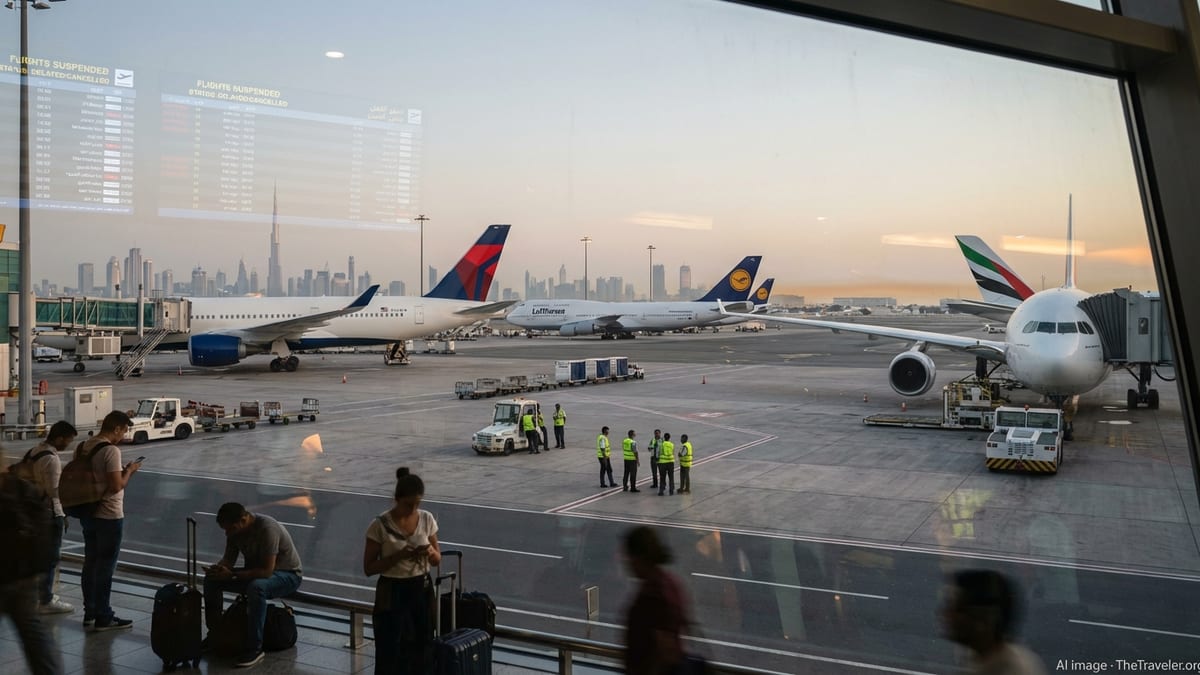
Disruptions Mount Across Germany’s Busiest Airports
Operational disruption on May 14 affected flight schedules at Frankfurt Airport, Munich Airport, Berlin Brandenburg Airport and Dusseldorf Airport, according to multiple real-time tracking and disruption-monitoring platforms. The pattern of delays and cancellations built on several days of irregular operations across Germany, compounding the impact on travelers connecting through the country’s main aviation hubs.
Frankfurt and Munich, which serve as primary hubs for Lufthansa and an important base for Condor, recorded the highest concentrations of delayed services. Data from flight-tracking tools and disruption portals for the week of May 11 to May 14 indicated elevated levels of late departures and arrivals on short-haul feeder routes linking major European cities with these hubs, as well as on select medium-haul services.
Berlin Brandenburg and Dusseldorf also reported clusters of delayed flights affecting services operated by Lufthansa, easyJet, British Airways, Condor and several partner and codeshare airlines. With many affected flights serving as key connections for onward long-haul itineraries, the knock-on effects were felt well beyond Germany, stranding some travelers at intermediate points when onward sectors departed without them.
Travel-support organizations monitoring European aviation disruption noted that the May 14 irregularities followed a broader pattern of unstable operations in early May, during which Germany’s main hubs experienced waves of cancellations and delays. Earlier in the week, publicly available information from passenger-rights services highlighted at least 18 cancellations at Frankfurt and Munich on May 13 alone, underscoring the cumulative strain on schedules.
Airlines Most Affected: Lufthansa, Condor, easyJet and British Airways
As Germany’s largest carrier and a dominant operator at Frankfurt and Munich, Lufthansa featured prominently in the disruption data. Flight-history records showed repeated irregularities on certain domestic and feeder routes. One example was the Frankfurt to Munich service listed under flight number LH118, which flight-history databases recorded as canceled on May 13 and again on May 14 after several days of operating with delays earlier in the week.
Condor, which runs an extensive network of European and leisure routes from German hubs, also saw its operations affected. Schedules on key domestic segments, including flights between Frankfurt and Munich and between Frankfurt and Berlin, appeared under pressure, with disruption-monitoring sites listing delayed departures and revised arrival times alongside on-time services. Given Condor’s role in feeding passengers from regional airports into larger hubs for onward holiday flights, such delays risked missed connections for travelers heading to Mediterranean and long-haul leisure destinations.
At Berlin Brandenburg, easyJet and Lufthansa handle a significant share of short-haul services, while British Airways and other foreign carriers operate high-frequency links to London and other capitals. Real-time boards and tracking platforms for May 14 showed several services departing behind schedule, including flights arriving from or departing to German hubs and key European cities. In Dusseldorf, recent departure boards captured late-running British Airways and Condor flights alongside other delayed services, demonstrating the breadth of the disruption across airlines and alliances.
Codeshare arrangements further broadened the number of brands visible on affected flights. Lufthansa-operated flights appeared in tracking data under partner codes for airlines such as Air Canada, United Airlines and others, amplifying the reach of each individual delay or cancellation into multiple markets beyond Germany.
Passenger Experience: Missed Connections and Overnight Stays
Reports from passenger-rights organizations and real-time social media posts suggested that the operational issues translated into long queues, missed connections and, in some cases, enforced overnight stays. For many passengers, the disruption began with relatively modest departure delays that cascaded into missed onward flights at central hubs such as Frankfurt and Munich, where connection windows can be tight even on a normal day.
Travelers connecting from regional or European feeder flights to long-haul services appeared particularly vulnerable. A delayed afternoon domestic arrival into Frankfurt or Munich could leave insufficient time to clear the terminal, reach a distant gate and board an evening long-haul departure. When onward flights departed on schedule or were already heavily booked, affected passengers were often rebooked onto later services, sometimes a day or more later depending on route frequency and load factors.
Some passengers heading to leisure destinations also faced last-minute changes. With Condor and other carriers operating tightly timed rotations on popular holiday routes, outbound delays from Germany risked triggering crew duty-time limitations and aircraft rotation challenges. In certain cases, this combination has led to aircraft returning late in the evening or overnight, influencing the following day’s schedules and requiring travelers to accept shortened trips or alternative routing.
For those stranded at airports, the immediate concern became access to food, accommodation and information. Under European air-passenger rules, airlines are generally expected to provide care and assistance when delays reach certain thresholds or when cancellations occur, although the specific obligations can depend on the cause of the disruption and the length of the delay. Publicly available guidance from passenger advocacy groups emphasizes that travelers should retain boarding passes, booking confirmations and receipts for any out-of-pocket expenses should they later seek compensation.
Causes and Operational Pressures Behind the Delays
While a detailed official breakdown of causes for each delayed or canceled flight on May 14 was not available, publicly accessible aviation data and prior operational patterns suggest a mix of contributing factors. Early spring in Europe often brings unsettled weather, which can trigger air-traffic control restrictions, mandatory spacing between arrivals and departures and runway-capacity constraints at congested hubs.
In addition to weather, crew and aircraft availability can play significant roles. The flight-history for repeatedly disrupted services such as Lufthansa’s Frankfurt to Munich route highlights how a small initial delay can propagate through the day as the same aircraft and crew are scheduled to operate subsequent sectors. If earlier flights run late, later departures may see compressed turnaround times or may have to wait for incoming aircraft, increasing the likelihood of rolling delays and, in some cases, cancellations when operational limits are reached.
Airports themselves also face capacity challenges. Frankfurt and Munich handle large volumes of transfer traffic from around Europe and beyond, and even minor hiccups in baggage handling, security screening or boarding processes can slow throughput during peak hours. When combined with tight connection windows, these bottlenecks can exacerbate the impact of minor schedule slips, converting what might have been a short delay into a missed onward flight for connecting passengers.
Industry analysis published in early May indicated that, while overall European capacity is approaching or exceeding pre-crisis levels, staffing and infrastructure have not always rebounded at the same pace. This imbalance can leave airlines and airports more vulnerable to disruption when facing simultaneous pressures such as adverse weather, seasonal demand spikes or unexpected technical issues.
Advice for Travelers Navigating Ongoing Uncertainty
Given the volume of delays and cancellations observed across German airports on and around May 14, travel experts and passenger-rights advocates recommend that passengers build extra resilience into their plans. One common suggestion is to allow longer connection times at major hubs like Frankfurt, Munich, Berlin and Dusseldorf, particularly when onward journeys involve long-haul flights or cruises that cannot easily be rebooked.
Checking real-time flight status on multiple platforms and monitoring airport departure and arrival boards can help travelers spot emerging issues early. If a feeder flight into a hub is heavily delayed, passengers may be able to contact their airline or travel agent before reaching the airport to discuss rerouting options, same-day changes or the possibility of shifting to a later long-haul departure.
Passengers are also encouraged to familiarize themselves with European air-passenger regulations covering delays and cancellations. Guidance available from consumer organizations outlines potential entitlements to meals, hotel accommodation and, in some circumstances, financial compensation when flights arrive at their final destination more than three hours late or are canceled at short notice. The precise rights depend on multiple factors, including the reason for the disruption, the distance traveled and whether the airline is based in the European Union.
With further operational pressures likely as the busy summer travel season approaches, the disruptions recorded across Germany’s largest airports in mid-May serve as a reminder that even routine short-haul flights can be vulnerable to cascading delays. Travelers planning itineraries through Frankfurt, Munich, Berlin or Dusseldorf in the coming weeks may wish to factor in additional time and flexibility to reduce the risk of becoming stranded if schedules shift unexpectedly.