


More news on this day
Heavy rainfall across Delhi and the wider National Capital Region on August 24, 2026 brought flight operations at Indira Gandhi International Airport under strain, while extensive waterlogging on key roads slowed traffic to a crawl and raised fresh concerns about the city’s monsoon preparedness.
Get the latest news straight to your inbox!
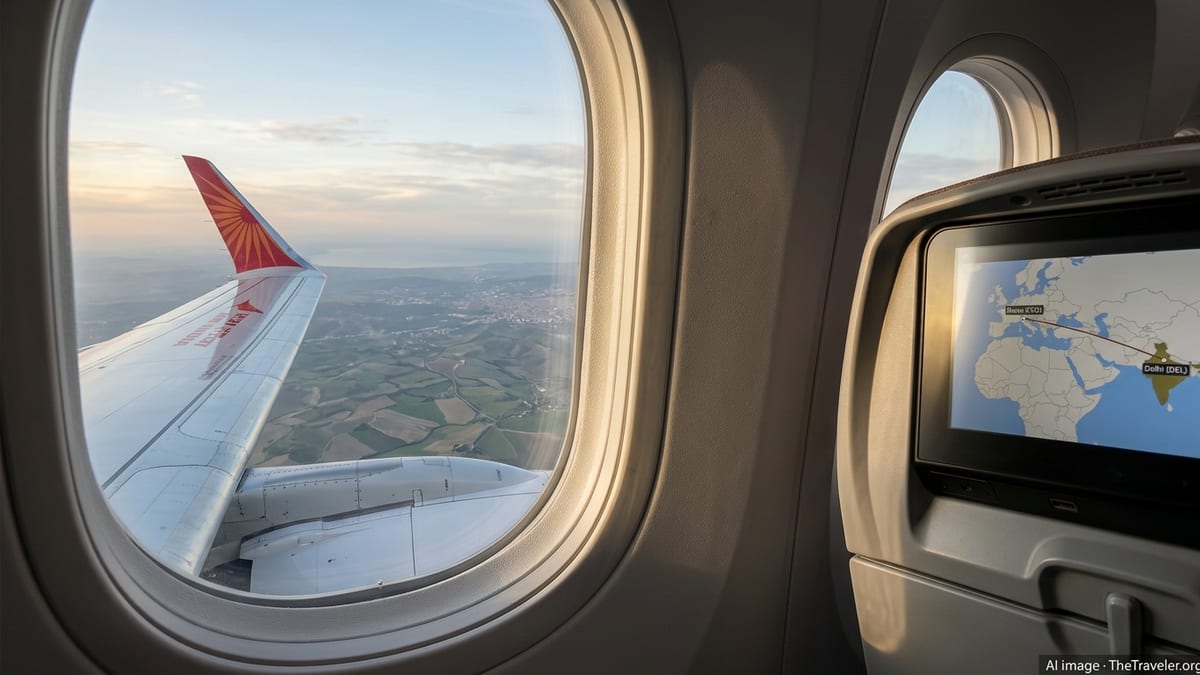
Flight Operations Hit by Weather Disruptions
Publicly available data from flight trackers and news outlets show that heavy rain and thunderstorms over Delhi significantly disrupted air traffic on Monday. Coverage indicates that around 150 flights were delayed at Indira Gandhi International Airport by early afternoon, with average delays of close to half an hour, and more than a dozen flights diverted to other cities as aircraft were unable to safely land in the prevailing conditions.
Multiple airlines issued travel advisories urging passengers to check real-time flight status before leaving for the airport and to allow additional time for their journey. IndiGo, Air India, SpiceJet and Akasa Air all drew attention to weather-related constraints, with reports noting that low visibility, wet runways and air traffic congestion contributed to knock-on delays throughout the day.
Travel industry observers point out that while monsoon-related disruptions are not unusual in Delhi, the scale of Monday’s delays, combined with diversions, created a particularly challenging environment for domestic and international travelers transiting through one of India’s busiest aviation hubs.
For passengers already in the terminal, the combination of lengthened turnaround times and shifting departure slots meant crowded gates and frequent boarding-time revisions, a pattern that tends to ripple across airline networks well beyond the immediate weather window.
City Roads Choked by Waterlogging and Traffic Jams
Reports from local media describe extensive waterlogging at numerous points across the capital, including stretches near major intersections, commercial districts and residential neighborhoods. Areas such as Janakpuri, Chhatarpur, Pitampura and parts of central Delhi recorded substantial rainfall totals within a few hours, leading to slow-moving or stalled traffic on key corridors.
Live traffic updates and eyewitness accounts shared via social media highlighted long snarls on routes connecting central Delhi to satellite cities, notably on arteries linking the capital with Noida and Gurugram. Motorists reported long waits near underpasses and low-lying sections where stormwater accumulated quickly, making some lanes temporarily impassable for smaller vehicles.
Water accumulation close to metro stations and busy junctions added to commuting challenges, as buses and auto-rickshaws were forced to navigate around flooded stretches. The resulting congestion extended travel times to railway stations and the airport, compounding the disruption already being felt in the air and on the ground.
Civic observers note that such conditions recur frequently during intense monsoon spells, drawing renewed scrutiny of the city’s drainage capacity and the maintenance of stormwater infrastructure in rapidly growing urban and suburban districts.
Orange Alert and Advisory Measures Across Delhi-NCR
According to published coverage of the India Meteorological Department’s bulletins, an orange alert was in place for Delhi and parts of the NCR on Monday as forecasters warned of more heavy rain accompanied by thunderstorms and gusty winds. The alert level signals a likelihood of significant weather that can disrupt normal life and calls for preparedness by local agencies and residents.
In Gurugram, publicly posted advisories from the District Disaster Management Authority recommended that corporate offices and educational institutions facilitate work-from-home and online classes for August 25, citing the risk of further waterlogging and traffic congestion. The measures aim to reduce the number of commuters on already stressed roads if another round of intense showers materializes.
Weather forecasts suggest that light to moderate rain, with isolated heavy spells, may continue over the region in the near term. Travelers planning to fly in or out of Delhi, or to drive between the capital and nearby cities, are being urged by travel and weather portals to monitor updates closely and build flexibility into their plans.
For airport-bound passengers in particular, the combination of ongoing showers, potential traffic bottlenecks and residual airline schedule adjustments means that journey times could remain unpredictable even after the heaviest rain tapers off.
Impact on Travelers and Practical Guidance
The latest disruption arrives at a busy period for both domestic tourism and business travel, magnifying its effect on passengers. Those on tight connections or same-day return trips are especially vulnerable when thunderstorms disrupt take-off and landing slots, as missed links can lead to rebooking challenges and additional accommodation costs.
Travel platforms and aviation analysts generally recommend that passengers flying during active monsoon conditions build in buffer time, keep airline apps and SMS alerts enabled, and remain prepared for gate or terminal changes. On days like Monday, when both city roads and airside operations are strained, flexibility in departure timing and routing can make a significant difference to overall journey stress.
Within Delhi-NCR, public information channels are emphasizing basic precautions for those moving around the city: avoiding heavily waterlogged underpasses, not attempting to drive through deep standing water, and checking route-based traffic apps before setting out. For visitors unfamiliar with the city, hotel concierges and local contacts can be useful sources of neighborhood-specific updates when formal advisories are broad in scope.
For the travel sector, Monday’s events underline the importance of contingency planning during the peak monsoon window. Airlines, hotels and tour operators increasingly frame August travel in and out of Delhi as weather-dependent, advising guests to consider flexible fares, travel insurance that covers weather disruptions, and itineraries that do not hinge on single tight connections.
Monsoon Preparedness in a Growing Travel Hub
Delhi’s status as a major domestic and international gateway means that local weather events quickly take on national relevance. When heavy rain floods arterial roads and affects airport operations, the repercussions are felt by travelers connecting to destinations across India and beyond, from hill-state resorts to overseas hubs.
Urban planners and civic commentators frequently highlight the gap between the city’s rapid growth and the resilience of its drainage and transport systems. Episodes such as Monday’s rainfall bring that gap into sharp focus, as images of submerged streets circulate widely and travelers’ experiences of delay shape perceptions of the capital as a transit point.
At the same time, aviation infrastructure and operating procedures are evolving to better manage such shocks. Increased use of real-time communication via airline and airport digital channels, as well as closer coordination with meteorological services, are cited in public analyses as ways to minimize uncertainty for passengers and reduce cascading delays during intense weather episodes.
How Delhi negotiates the remainder of this monsoon season will be closely watched by the travel industry. The events of August 24 provide a fresh case study of how extreme rainfall, waterlogging and air-traffic constraints intersect in a megacity that serves as a primary entry and exit point for millions of journeys each month.
Delhi-NCR rain chaos: Capital under orange alert; WFH advisory issued for Gurgaon – Times of India
Delhi rains updates: Flights diverted and delayed amid traffic chaos – ABP Live
Flights impacted as heavy rains lash Delhi; airlines issue advisories – NDTV Profit
Torrential rain floods Delhi-NCR roads, affects flights – Onmanorama