


More news on this day
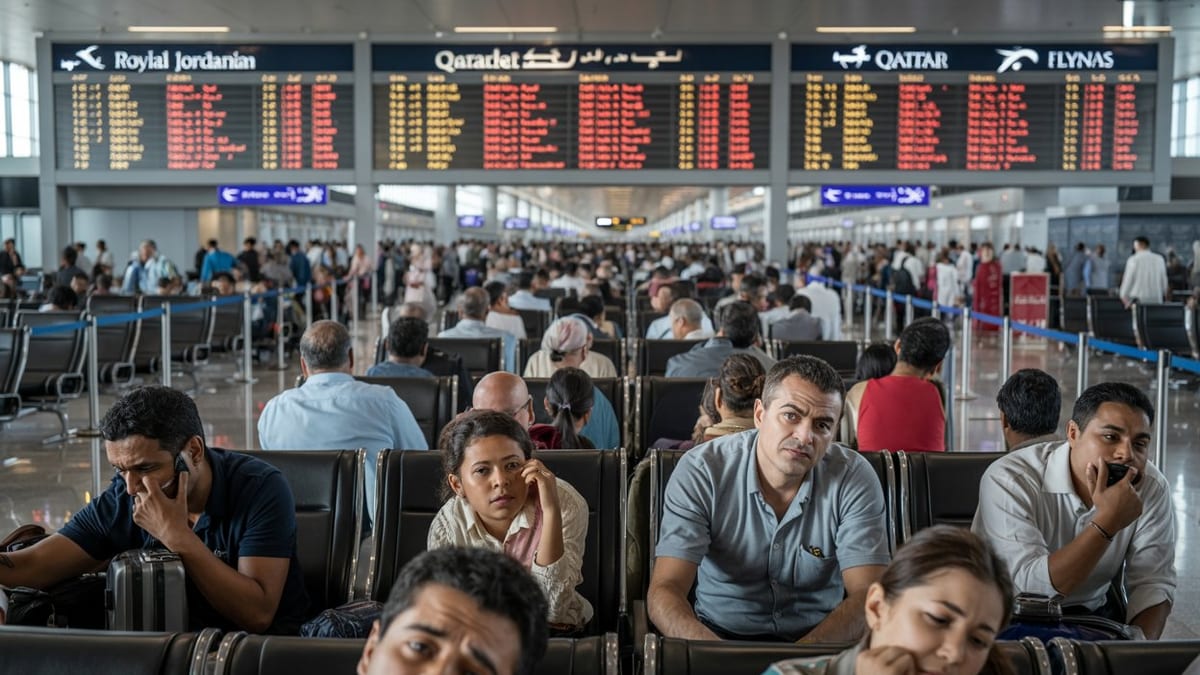
Travelers at Los Angeles International Airport on May 11 found themselves confronting an afternoon of growing frustration as a cluster of American Airlines and United Airlines flights faced at least three cancellations and a series of rolling delays affecting departures to Orlando, Austin, Monterrey, Guadalajara, St. Louis and other domestic and cross-border destinations.
Get the latest news straight to your inbox!
Operational Strains Converge at a Major West Coast Hub
Publicly available flight boards and schedule data indicate that departures from Los Angeles International Airport were under visible strain on Monday, with several American Airlines and United services disrupted. While both carriers continue to operate extensive schedules out of LAX, the day’s pattern included three flight cancellations alongside delayed departures on key routes to the southeastern United States, Texas, the Midwest and northern Mexico.
Los Angeles International functions as a critical connecting point for both airlines, feeding long haul traffic across the Pacific and domestic flows across the continental United States. When even a handful of flights cancel or miss their departure windows, the effects can quickly ripple across onward connections, especially for passengers connecting in Dallas, Houston, Phoenix or Chicago on their way to Florida, the Midwest or Mexico.
Real time airport-status information showed weather-related delays in parts of the country on May 11, including in Florida, where Orlando International experienced departure slowdowns tied to thunderstorms. Conditions like these, combined with high spring travel demand, increase the likelihood that a delay or crew timing issue on one leg can cascade into cancellations and late departures elsewhere in the network, including at LAX.
Industry analysts note that while three cancellations may not appear dramatic compared with the hundreds of daily movements at LAX, the specific routes involved and the timing during peak travel periods can significantly magnify the disruption for affected passengers.
Key Leisure and Business Routes Hit: Orlando, Austin and St. Louis
Among the destinations affected were Orlando and Austin, two rapidly growing markets that serve both leisure and business travelers. Air service snapshots from Austin and Orlando show robust frequencies linking these cities with Los Angeles, with American Airlines and United marketing multiple daily departures on popular time banks. When cancellations occur on such high-demand corridors, the remaining flights often depart heavily booked, leaving limited options for same-day rebooking.
In Orlando’s case, departure boards on May 11 reflected weather-driven delays associated with thunderstorms over central Florida, a factor that complicates westbound and connecting operations. Passengers scheduled to connect in Los Angeles from or to Florida faced the dual challenge of upstream weather slowdowns and downstream gate and crew availability at LAX.
Service patterns published by airport authorities in Austin and St. Louis highlight how tightly integrated these markets have become with Los Angeles through both American and United. Even a small number of cancellations at LAX can create pressure on these city pairs, especially for travelers booked on itineraries that include connections onward to secondary airports in the Midwest and Southeast.
Travel forums and social media posts in recent months have frequently documented frustration with rolling delays on these routes, as customers seek clarity on whether flights will depart, be retimed, or ultimately cancel after several schedule pushes. Monday’s disruptions at LAX fit into that broader pattern of operational sensitivity on high-volume domestic links.
Cross-Border Connections: Monterrey and Guadalajara Affected
The disruptions also extended south of the border, with flights touching Monterrey and Guadalajara reported among those delayed or impacted by the day’s cancellations. Both cities are central to cross-border business and family travel, and current schedule data show a mix of direct and connecting options between Los Angeles and northern and western Mexico offered by a range of carriers, including American and United.
Monterrey, a major industrial and corporate hub, relies on dependable links through Western US gateways such as Los Angeles and Dallas. When west coast departures misalign, passengers attempting to connect to or from Monterrey may face missed connections, unplanned overnight stays, or reroutes through alternate hubs such as Houston or Phoenix.
Guadalajara, one of Mexico’s busiest airports, has been the subject of recent travel advisories and waiver policies from carriers in response to civil unrest in Jalisco earlier this year. Public posts tracking airline travel waivers show that United introduced flexible rebooking options for Guadalajara-bound customers as conditions evolved. While Monday’s LAX disruptions appear primarily operational, they come against a backdrop of heightened sensitivity for travelers using that corridor.
The combination of high demand, evolving security considerations in certain regions, and tight aircraft utilization means that irregular operations at a single hub can quickly narrow options for same-day travel between Los Angeles and major Mexican markets.
Passenger Experience: Rolling Delays and Limited Alternatives
For travelers on the ground at Los Angeles International, the most visible consequence of Monday’s issues was a familiar sequence of rolling delay notifications and gate-area uncertainty. Passengers described, in online reports and posts, departure times moving in small increments before some flights ultimately shifted to a canceled status, particularly for American services in recent mass disruption events.
Historic discussions in airline-specific communities suggest that American has, at times this year, experienced higher-than-average delay and cancellation percentages during weather and crew-availability challenges. Some travelers have reported being stranded for multiple days in cities such as Orlando when a wave of rolling delays ultimately culminated in canceled flights. More recent posts note that United has faced its own operational strains at certain hubs, including diversions of Mexico-origin flights to alternate airports when mechanical or weather issues arise.
Public guidance from consumer advocates emphasizes the importance for travelers of monitoring airline apps closely, verifying gate information on airport boards, and understanding rebooking and refund rules under updated US Department of Transportation regulations. In major disruption events, some carriers have temporarily relaxed change fees and fare differences, but such waivers are typically time-limited and may not apply to all itineraries.
At LAX on Monday, the constrained availability of alternative seats, especially on peak-time departures to Florida, Texas and Mexico, likely limited options for same-day recovery, pushing some travelers to accept overnight stays, reroutes through secondary hubs, or shifts to other airlines where space allowed.
What Travelers Can Expect in the Coming Days
As Los Angeles and other large US hubs move deeper into the busy late spring travel period, operational experts expect heightened sensitivity to weather systems across multiple regions. Thunderstorms in Florida, low ceilings in the Northeast, and spring storms in the Midwest all have the potential to trigger ground-delay programs and air traffic flow restrictions that reverberate as far as the west coast.
Published advisories from aviation agencies in recent weeks have already highlighted the likelihood of ground-delay programs at several major airports when adverse conditions arise. When such measures are combined with tight aircraft rotations and crew duty limit rules, even modest schedule interruptions can yield localized clusters of cancellations similar to those seen at LAX on May 11.
For passengers with upcoming itineraries on American or United through Los Angeles, travel experts generally recommend building longer connection times, planning for potential misconnects, and preloading airline and third-party travel apps that provide real-time flight status, gate changes and rebooking options. Many carriers, including American, promote opt-in flight notification tools that offer push alerts when departure times or aircraft assignments change.
While Monday’s disruptions at LAX were limited in absolute numbers, the concentration of cancellations and delays on busy routes to Orlando, Austin, Monterrey, Guadalajara and St. Louis underscores how quickly a handful of schedule changes at a major hub can cascade through the broader network and upend travel days for hundreds of passengers.