


More news on this day
Delta Air Lines is turning two November American football games in Madrid and Munich into full-scale travel opportunities, adding special transatlantic flights that underline the growing power of sports-driven tourism in Europe.
Get the latest news straight to your inbox!
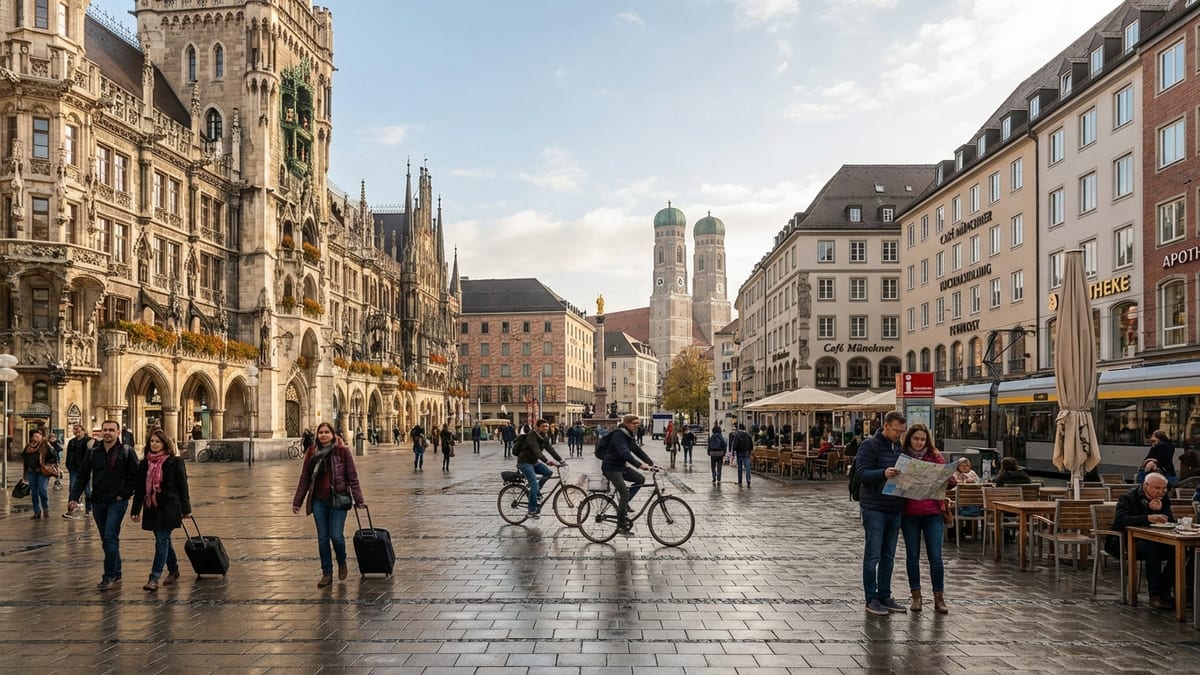
Targeted Flights Turn Games Into Global Events
According to Delta’s latest schedule update, the carrier will operate four additional transatlantic flights this November specifically timed around professional football games in Madrid and Munich. The limited-run services expand Delta’s fall network between the United States and Europe, giving fans more nonstop options to reach the two host cities during a concentrated travel window.
From Atlanta, Delta is adding two extra nonstop flights to Madrid on November 4 and 5, with return services shortly after the game. Parallel additions are planned for Munich, where extra capacity will move supporters to and from Germany for another high-profile matchup. Publicly available information indicates that these flights sit on top of Delta’s regular seasonal schedules, effectively creating a short burst of event-focused lift.
The move extends a broader strategy of tailoring capacity to major sports events. In recent seasons, Delta has scheduled dozens of game-week flights around the National Football League calendar, and the Madrid and Munich additions signal that European-hosted fixtures are now being treated with similar commercial importance.
By aligning departure dates, return timings and nonstop routings with game days, the airline is positioning these flights not just as transportation, but as part of a curated fan experience that begins at the departure gate and stretches across the Atlantic.
Madrid and Munich Prepare for an Influx of Fans
Madrid and Munich are already established football capitals, with domestic leagues and European competitions drawing millions of visitors each year. Event-specific flights add another layer, pushing demand into a compact period around the November games. Tourism and aviation data from recent European football tournaments suggest that even a single high-profile match can deliver a pronounced spike in hotel occupancy, restaurant traffic and local transport use.
Munich’s role as a regular host of international fixtures has shown how these events amplify the city’s existing tourism base. Hotel benchmarks during recent football events point to elevated room rates and near-capacity occupancy, particularly in central districts and near major transport hubs. Madrid has experienced similar patterns, with match days bringing visible surges in visitor spending in nightlife areas, cultural districts and retail corridors.
Additional long-haul flights from the United States concentrate this impact. Each widebody arrival brings hundreds of high-spend visitors who often extend their stay beyond game day to include museum visits, regional day trips and shopping. Destination marketing organizations in both cities have increasingly framed football events as gateways to broader cultural itineraries, aiming to convert a weekend game trip into a multi-day urban break.
For local businesses, the appeal lies in the reliability and profile of these visitors. Fans traveling transatlantic for a single game tend to book well in advance, fill higher-category hotel rooms and spend on branded merchandise, premium dining and organized tours, helping to stabilize revenue forecasts for the shoulder season between summer holidays and year-end festivities.
Sports Tourism Emerges as a Core Travel Segment
Sports tourism has become one of the fastest-growing segments of the global travel industry, with sector studies valuing its worldwide market in the tens of billions of dollars annually. Recent research on the United States alone indicates that sports-related travel generated more than 100 billion dollars in economic impact in 2023, a figure that covers direct visitor spending as well as indirect and induced effects across supply chains.
Football sits at the center of this surge. Large tournaments and international club competitions consistently deliver measurable boosts in visitor numbers and spending. A recent European analysis of major football events, including continental championships, documented multi-billion-euro impacts for host cities, driven by hotel stays, transport, food and beverage purchases and auxiliary entertainment.
Studies from organizations such as the European Parliamentary Research Service and the World Tourism Organization characterize sports tourism as a strategic tool for regional development, noting that visitors drawn by games often return later for non-sport trips. That repeat behavior increases the long-term value of each event beyond its immediate ticket sales and match-day receipts.
With Delta and other transatlantic carriers explicitly programming flights around specific fixtures, airlines are effectively treating sports events as anchor demand generators on par with trade fairs or major cultural festivals. This shift signals that game-driven travel is no longer a niche add-on, but a structural component of international route planning.
Airlines Leverage Loyalty and Partnerships Around the NFL
Delta’s decision to add Madrid and Munich flights is also closely tied to its branding relationships within professional football. The airline serves as the official carrier for several NFL franchises and has a long history of using sports partnerships to reinforce loyalty among frequent travelers in key U.S. markets.
In earlier seasons, Delta schedules have included dozens of additional domestic and international flights tied to marquee NFL weekends, with carriers using aircraft swaps and frequency increases to accommodate surging demand to game cities. Industry coverage of these initiatives has noted that football-related flights often record strong load factors and premium cabin uptake, reflecting the willingness of fans to combine game trips with city breaks or business meetings.
Partnerships with teams also create marketing leverage on both sides of the Atlantic. Co-branded campaigns feature prominently in airports and stadiums, encouraging fans to book specific routes, accumulate loyalty points and package flights with hotels and local experiences. The Madrid and Munich services fit squarely within this pattern, showcasing how targeted capacity can support sponsorship investments while opening new revenue streams.
For airlines, the appeal lies not only in one-off spikes, but in the data. Game-based travel provides clear, predictable peaks in demand, allowing revenue managers to test pricing strategies and capacity plans that can later be adapted to other event types, from concerts to motorsport races.
Economic Ripple Effects Across the Global Sports Tourism Ecosystem
While the number of added flights to Madrid and Munich is relatively small in the context of Delta’s global network, the decision illustrates how even limited adjustments can reverberate through the wider travel economy. Each extra rotation supports crews, ground handling, catering and airport services on both sides of the Atlantic, layering aviation jobs on top of the tourism impacts in host cities.
Macro-level studies of major football competitions underscore how this ecosystem scales. Joint research by global trade and football bodies on upcoming World Cup tournaments in North America has projected combined economic outputs in the tens of billions of dollars, with benefits shared among airlines, hospitality providers, local authorities and service industries. Although a single NFL game in Europe operates on a smaller scale, it follows the same basic pattern of diversified gains.
European policy briefings on sports tourism emphasize that even medium-sized events can help smooth seasonality, fill hotel beds in autumn and winter, and justify investments in transport and stadium infrastructure. When airlines like Delta align capacity with these events, they effectively link regional development goals with global mobility networks, expanding the reach of host cities into distant source markets such as the United States.
For fans, the immediate takeaway is more choice and convenience: additional nonstop options that reduce travel time and create smoother itineraries around must-see games. For airlines, cities and tourism stakeholders, the broader story is that targeted sports flights are becoming a reliable way to convert the emotional pull of football into sustained economic activity across continents.