


More news on this day
Delta Air Lines is confronting a second consecutive day of widespread flight cancellations and delays at its largest hub, compounding disruption for tens of thousands of passengers already caught in one of the carrier’s most significant operational crises in years.
Get the latest news straight to your inbox!
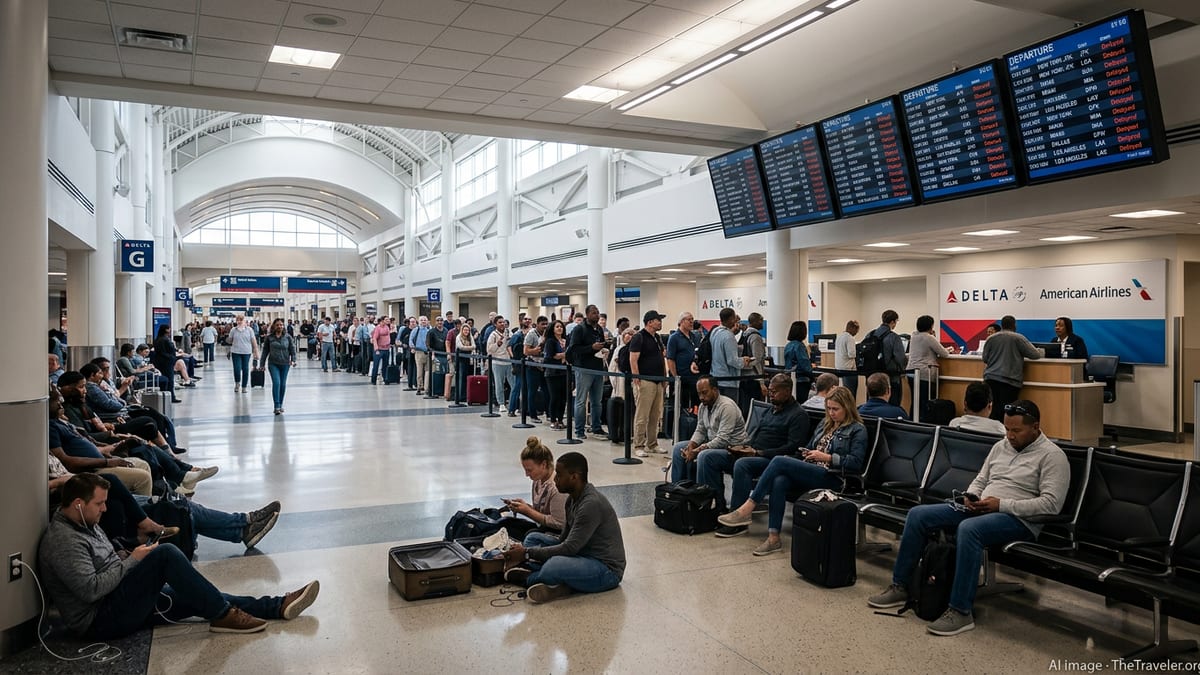
Second Day Of Severe Disruptions At Atlanta Megahub
Operations at Hartsfield-Jackson Atlanta International Airport, Delta’s primary hub and the world’s busiest airport by passenger traffic, remained heavily constrained as cancellations stacked up for a second day. Publicly available tracking data and media coverage indicate that Delta has led U.S. carriers in cancellations following a global technology outage tied to a faulty software update earlier in the week, and the airline has struggled to restore its normal schedule.
Reports from passengers and aviation observers describe long queues at check-in and customer service counters in Atlanta, with some travelers facing repeated delays before their flights were ultimately canceled. Many have been forced to sleep in terminal seating areas overnight, unable to secure confirmed seats out of the hub as waves of cancellations ripple through the network.
The second straight day of disruption at such a critical hub magnifies the impact across Delta’s system. Because a large share of its domestic and international routes touch Atlanta, bottlenecks there can quickly snarl operations at other major airports where the airline maintains large presences, including Detroit, Minneapolis-St. Paul, and Salt Lake City.
Tech Outage Snowballs Into Network-Wide Meltdown
The continuing meltdown follows a global information technology disruption linked to a defective update to CrowdStrike’s Falcon security software on Microsoft Windows systems. According to widely cited analyses of the incident, the faulty update triggered system crashes for thousands of organizations worldwide, including airlines, airports, and critical infrastructure providers.
While multiple U.S. airlines experienced delays and ground stops as the outage unfolded, publicly available data and subsequent reporting identify Delta as the hardest-hit major carrier. The airline canceled more than a thousand flights on the first day of the crisis alone, with cancellations and rolling delays continuing into subsequent days as aircraft and crews fell out of their planned positions.
Analysts note that once large numbers of flights are scrubbed, disruption can quickly become self-perpetuating. Even after core IT functions are restored, crew duty-time limits, mispositioned aircraft, and backlogged maintenance checks can make it difficult for an airline to quickly rebuild its schedule. That dynamic appeared to be playing out across Delta’s domestic network, with particular severity at Atlanta as the hub attempted to restart complex waves of arrivals and departures.
Passengers Face Long Delays, Limited Alternatives
For travelers, the extended disruption has translated into lengthy waits, missed connections, and a scramble for scarce alternatives. Social media posts and forum discussions from affected passengers describe multi-hour lines to speak with agents, difficulty rebooking through digital channels, and new itineraries that push departures several days into the future.
Some customers with canceled flights at the Atlanta hub report being rebooked on multi-stop routings or red-eye departures as Delta works to clear the backlog. Others indicate that seats on competing carriers quickly sold out on popular routes, limiting options for travelers with time-sensitive plans and pushing some to seek ground transportation instead.
Consumer advocates point out that such widespread disruptions raise questions about passenger rights and compensation, particularly when operational problems extend beyond a single day and are not driven by weather. Federal guidance outlines when airlines must provide refunds or rebooking assistance, but travelers often must navigate complex policies to secure what they are entitled to receive.
Regulatory Scrutiny And Operational Lessons
The scale and duration of Delta’s meltdown are drawing heightened attention from policymakers and industry analysts who have been scrutinizing airline resilience since a series of high-profile disruptions in recent years. Published coverage notes that transportation regulators have increasingly pressed carriers to strengthen contingency planning for technology failures and to ensure that staffing and scheduling systems can cope with severe shocks.
Delta has previously marketed itself as a reliability leader among U.S. airlines, highlighting low cancellation rates and strong on-time performance. The current episode, however, underscores the vulnerability of even well-regarded carriers to cascading breakdowns when critical IT infrastructure fails and recovery plans are outpaced by the speed of events.
Industry observers suggest that the ongoing Atlanta hub disruptions will likely prompt a fresh review of backup systems, crew-management tools, and communication protocols across the airline. How quickly Delta can restore stable operations at its main hub and move stranded passengers to their destinations will shape perceptions of the carrier’s resilience in the wake of the global outage.
Broader Impact On Summer Travel
The timing of the meltdown at Delta’s primary hub is amplifying its effects. The disruptions are unfolding during the height of the summer travel season in the United States, a period when flights are heavily booked and spare capacity to absorb displaced passengers is limited across the industry.
Airports that feed into or depend on Delta’s Atlanta operation are also feeling the strain, as missed connections and equipment shortages cascade into new delays and cancellations. Travelers departing from regional airports where Delta is a dominant carrier may have fewer immediate alternatives, extending the timeline for full recovery.
Aviation analysts note that the episode adds to broader concerns about the fragility of the global air travel system in the face of technology failures. As airlines continue to digitize operations and rely on complex third-party software, disruptions at a single point can trigger consequences that stretch far beyond one carrier or airport. Delta’s extended cancellation wave at its biggest hub is emerging as one of the clearest examples yet of how quickly such vulnerabilities can spill over into the travel plans of hundreds of thousands of people.