


More news on this day
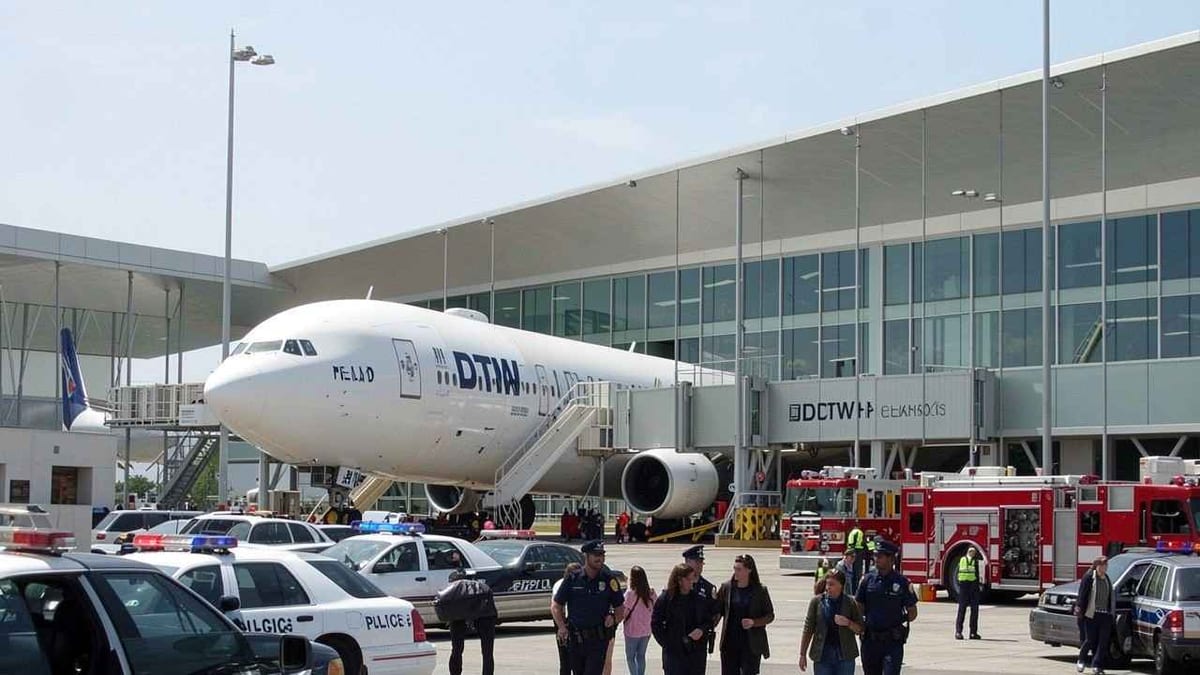
Delta Air Lines flight DL328 from Seattle to Orlando experienced a midjourney disruption on July 14, diverting to Jacksonville International Airport and leaving passengers facing unexpected delays and itinerary changes across the busy midsummer travel period.
Get the latest news straight to your inbox!
What Happened Onboard DL328
Publicly available flight-tracking data shows that DL328, operated by an Airbus A321neo, departed Seattle Tacoma International Airport on the morning of July 14 bound for Orlando International Airport. The flight followed its planned route across the country before changing course toward northern Florida later in the journey.
Tracking services recorded the Seattle to Orlando segment as “diverted,” with the aircraft instead landing at Jacksonville International Airport. The data indicates a total airborne time of more than five hours before arrival in Jacksonville, consistent with a near-complete transcontinental sector prior to the diversion.
At the time of writing, reports from flight-status platforms list the July 14 DL328 rotation as a domestic U.S. service interrupted before reaching its scheduled destination. No official cause has been detailed in airline advisories or publicly posted notices, leaving the precise reason for the diversion undetermined.
While diversions can be triggered by a range of factors, including weather, airspace congestion, medical events, or technical concerns, available information for DL328 on July 14 does not clearly attribute the change in routing to any one category.
Jacksonville’s Role As An Alternate Airport
Jacksonville International Airport serves as a significant operational alternate in northern Florida, with sufficient runway length, ground services, and terminal capacity to receive diversions from transcontinental flights. The arrival of DL328 there on July 14 reflects the airport’s role in absorbing traffic when conditions affect other Florida destinations.
Air traffic patterns in the region often route aircraft through Jacksonville airspace when storms or capacity constraints develop farther south around central Florida. In such situations, Jacksonville can provide a practical option for refueling, maintenance checks, or passenger handling while airline operations teams reassess onward plans.
For passengers aboard DL328, the diversion meant disembarking in a city roughly 140 miles north of Orlando. From there, options typically include a continuation flight on the same aircraft, a replacement flight, or ground transport arrangements, depending on crew duty limits and overall network constraints on a given day.
Operational decisions of this type are often shaped by aircraft availability, crew scheduling, and airport congestion. Jacksonville’s relative proximity to Orlando, combined with its infrastructure, helps carriers manage disruptions with a view to restoring schedules as quickly as feasible.
Impact On Passengers’ Summer Travel Plans
The diversion of a full Seattle to Orlando service at the height of the July travel rush brings considerable knock-on effects for those on board. Many passengers on DL328 were likely heading to central Florida for vacations, cruises, or onward connections, turning the unplanned stop in Jacksonville into a logistical challenge.
Travelers on diverted flights typically face missed connections, hotel changes, and adjustments to car rentals or theme park bookings. For Orlando-bound visitors, even a delay of several hours can disrupt tightly arranged itineraries, particularly when families are involved and costs for accommodation and attractions are significant.
Passenger experiences in such situations can vary widely. Some may be quickly rebooked onto later flights into Orlando, Tampa, or other Florida airports, while others may be offered ground transportation from the diversion point. The level of disruption often depends on how full the airline’s network is on the day of travel and whether there is spare capacity to re-accommodate affected customers.
In the case of DL328, the diversion added complexity to what is already one of the busiest periods of the year for domestic U.S. air travel. Even a single diverted narrowbody aircraft can contribute to broader network ripple effects as crews, aircraft rotations, and gate availability are adjusted.
How Delta Typically Handles Diversions
Publicly available guidance on diversions and irregular operations indicates that Delta, like other major U.S. carriers, works within a framework that prioritizes safety, regulatory compliance, and then customer reaccommodation. Once a diversion is confirmed, operations teams coordinate with airport staff to determine deplaning, refueling, catering, and potential onward routing.
In many cases, airlines aim to continue the original flight to its intended destination once the underlying issue is resolved, provided crew duty time permits. When this is not possible, passengers may be transferred to alternate flights in the network or, in some instances, placed on other carriers if seats are available and the disruption is prolonged.
Delta’s customer-facing information notes that during significant delays or diversions, travelers might be eligible for meal vouchers, hotel accommodations, or rebooking assistance, depending on the nature of the disruption and local policies. Weather-related events, for example, are generally treated differently from controllable operational issues.
For those on DL328, the exact mix of support would depend on timing, cause, and the availability of same-day options into central Florida. However, the broader pattern seen in other irregular operations suggests a focus on getting customers to their final destination as soon as practical within the constraints of the network.
What Affected Travelers Should Do Now
Passengers who were booked on DL328 for July 14, or who had connecting itineraries relying on that flight, are advised to review their current reservation status and any rebooking that may already appear in airline systems. Many disruptions are handled automatically, with updated digital boarding passes issued once a new routing is confirmed.
Travelers should check for any changes to departure times, connection points, and seat assignments. It can be important to verify that checked baggage is correctly tagged to the final destination, particularly if an unexpected stop like Jacksonville was introduced into the journey.
Those who incurred out-of-pocket expenses because of the diversion, such as additional hotel nights or missed prepaid activities in Orlando, may wish to review the terms of their travel insurance or credit card protections. Some policies provide reimbursement or coverage for certain costs arising from delays and diversions, subject to documentation and claim procedures.
Looking ahead, the DL328 disruption is a reminder that midjourney changes can occur even on routine domestic routes. Travelers planning long transcontinental trips, especially during peak summer periods, may benefit from allowing extra buffer time before fixed activities, keeping essential items in carry-on bags, and staying alert to real-time updates from airline apps and airport displays.