


More news on this day
Passengers across the United States are reporting widespread disruption to Delta Air Lines services, with publicly available tracking data on Friday showing more than 600 delays and numerous cancellations affecting flights to and from major hubs, including Atlanta, New York, Miami, Los Angeles and Chicago.
Get the latest news straight to your inbox!
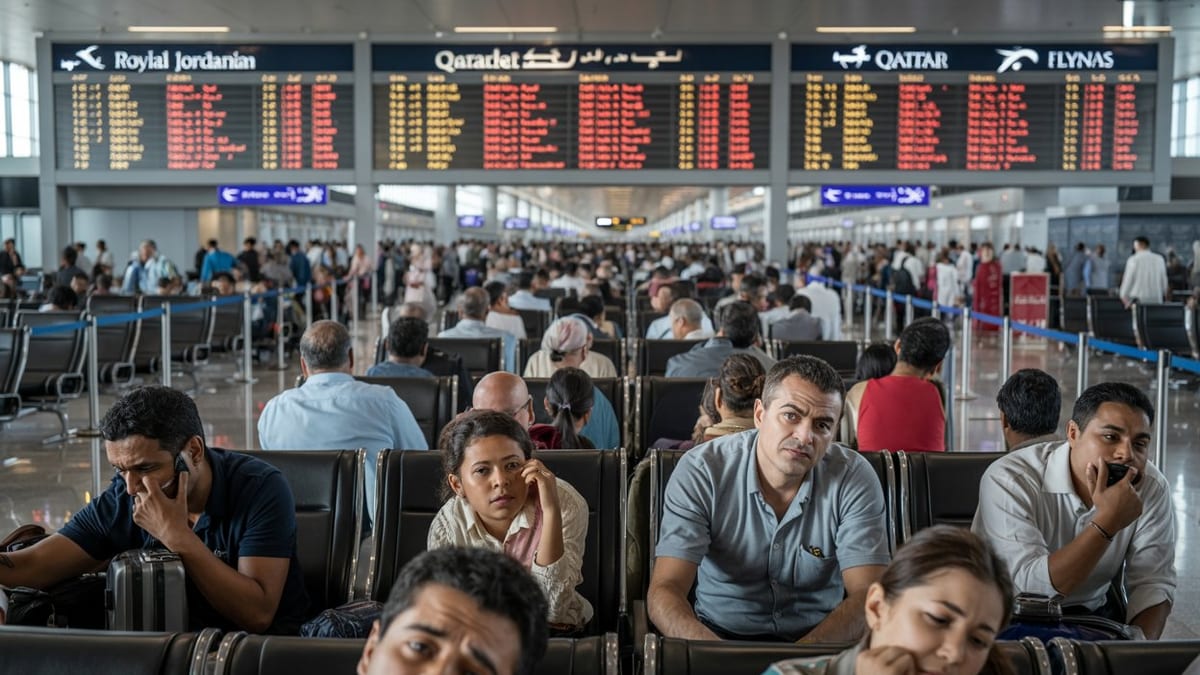
Major Hubs See Crowded Gates and Growing Backlogs
Real time aviation tracking platforms indicate that Delta has logged more than 600 delayed departures and arrivals, alongside a significant number of cancellations, across its U.S. network. The impact is most visible at Hartsfield Jackson Atlanta International Airport, the carrier’s largest hub, where cascading delays have disrupted both originating and connecting traffic.
Reports from large coastal gateways, including New York area airports, Miami International Airport, Los Angeles International Airport and Chicago O’Hare, describe crowded departure areas and rolling schedule changes as aircraft and crews struggle to return to their normal rotations. Travelers on transcontinental and Southeast routes appear to be among the hardest hit as aircraft arriving late from other cities trigger further knock on effects.
Operational data shows that once a hub like Atlanta begins the day with a high number of delayed departures, the remainder of the schedule often becomes increasingly difficult to stabilize. As aircraft run behind and crew duty time limits approach, later flights are more likely to face extended delays or cancellation, leaving evening passengers with fewer options to complete their journeys as planned.
The current pattern mirrors the familiar “domino effect” seen during previous large scale disruptions, where a relatively concentrated set of issues in early bank departures from a hub ripples outward across the country over the course of the day.
Weather, Congestion and Network Complexity Combine
Delta operates one of the largest domestic networks in the United States, with Atlanta, New York, Los Angeles, Miami and Chicago all serving as critical spokes and, in some cases, secondary hubs in its system. Publicly available aviation data and recent advisories indicate that summer thunderstorms, air traffic congestion and tight aircraft utilization have combined to create challenging conditions across these key airports.
Weather advisories for Atlanta and New York have highlighted convective storms and associated air traffic control programs that can significantly reduce the number of arrivals and departures permitted per hour. When these constraints coincide with peak travel periods, airlines may be forced to hold departures at the gate, extend taxi times, or reroute aircraft, contributing to the elevated delay counts currently being reported.
Industry analysts often note that large hub and spoke networks are especially vulnerable when several congested airports encounter constraints at the same time. A delayed departure from New York can cause a late arrival in Atlanta, which in turn pushes back a connection to Miami or Los Angeles. If those flights then arrive after crew duty limits or curfews, airlines sometimes have little choice but to cancel, further amplifying the disruption.
Delta’s published guidance on delayed and canceled flights describes a range of possible causes, including weather, airspace restrictions, and operational challenges, and outlines different options available to travelers depending on whether the disruption is within the airline’s control.
Stranded Travelers Face Long Lines and Limited Options
The elevated number of Delta delays and cancellations has left many passengers facing long lines at customer service desks, busy phone queues and limited same day rebooking options, according to accounts shared on social media and in local news coverage. Families connecting through Atlanta have described missing onward flights to coastal cities and spending hours in terminals while waiting for updated departure times.
In New York and Chicago, travelers booked on evening departures to the Southeast and West Coast have reported repeated schedule changes as aircraft arrive late from previous legs. In some cases, flights have been pushed back multiple times before ultimately departing well behind schedule, while others have been canceled outright after prolonged delays, forcing passengers to seek overnight accommodation or alternate carriers.
Large scale disruptions also tend to strain airport amenities. Reports from several hubs mention crowded gate areas, limited seating and food outlets facing heavy demand, particularly in the late evening when many travelers are still waiting to learn whether their flights will operate. For passengers arriving on delayed flights, missed connections can mean unexpected overnight stays far from home or final destination.
Travelers with flexible schedules sometimes opt to delay their trips by a day or more in the hope of avoiding the peak of the disruption, but for many, especially those traveling for family events or time sensitive business, the options are restricted by full flights and limited spare capacity in the busy travel period.
Delta’s Customer Policies Under Scrutiny Again
Recent travel disruptions involving Delta, including the July 2024 technology related breakdown that led to thousands of cancellations over several days, have already prompted increased public attention on the carrier’s handling of irregular operations. Government data and prior investigations into that episode highlighted the scale of cancellations and the challenges passengers faced in obtaining timely rebooking, refunds and compensation.
Delta’s public guidance states that customers affected by canceled flights or significant delays may, in certain circumstances, request refunds, use eCredits for future travel or submit reimbursement requests for reasonable expenses when disruptions are within the airline’s control. U.S. Department of Transportation consumer reports and airline customer service dashboards have also emphasized that major carriers, including Delta, now commit to providing free rebooking and meals, and in many situations hotel accommodations, when carrier controlled disruptions occur.
Advocacy groups and travel commentators are watching how current disruptions are handled, particularly at major hubs where passengers can be stranded overnight. Attention is focused on whether affected travelers receive timely information, access to online and app based rebooking tools, and, when warranted, assistance with lodging and ground transportation when connections are missed late in the day.
Publicly available information on previous Delta disruptions suggests that communication speed and clarity are often as important to travelers as the eventual travel outcome. Clear explanations of the cause of delays, regular updates on estimated departure times and transparent descriptions of available options can ease some of the frustration experienced in crowded terminals.
What Impacted Passengers Can Do Now
Travel industry guidance for handling major disruption days encourages Delta passengers to monitor their flight status frequently through the airline’s app and airport displays, as departure times may change multiple times before boarding. Same day travelers are often advised to arrive at the airport earlier than usual to allow for longer security and service desk lines, particularly at busy hubs like Atlanta and New York.
Experts recommend that passengers whose flights are significantly delayed or canceled document their expenses and keep records of all communications and revised itineraries. This information can help support later requests for refunds, eCredits or reimbursement for meals and lodging, depending on the cause of the disruption and the airline’s stated policies.
Those with flexible travel plans may wish to explore rebooking through the carrier’s digital channels before heading to the airport, especially when system wide delay counts are elevated. In previous high impact events, travelers who secured alternative routings early in the day often had more options than those who waited until after cancellations began to accumulate.
With more than 600 delays and widespread cancellations affecting Delta’s operations on Friday, conditions at Atlanta, New York, Miami, Los Angeles and Chicago are likely to remain challenging through the day as crews and aircraft are repositioned. Passengers planning to travel on Delta in the coming hours may face continued uncertainty as the airline works to stabilize its schedule across the U.S. network.