


More news on this day
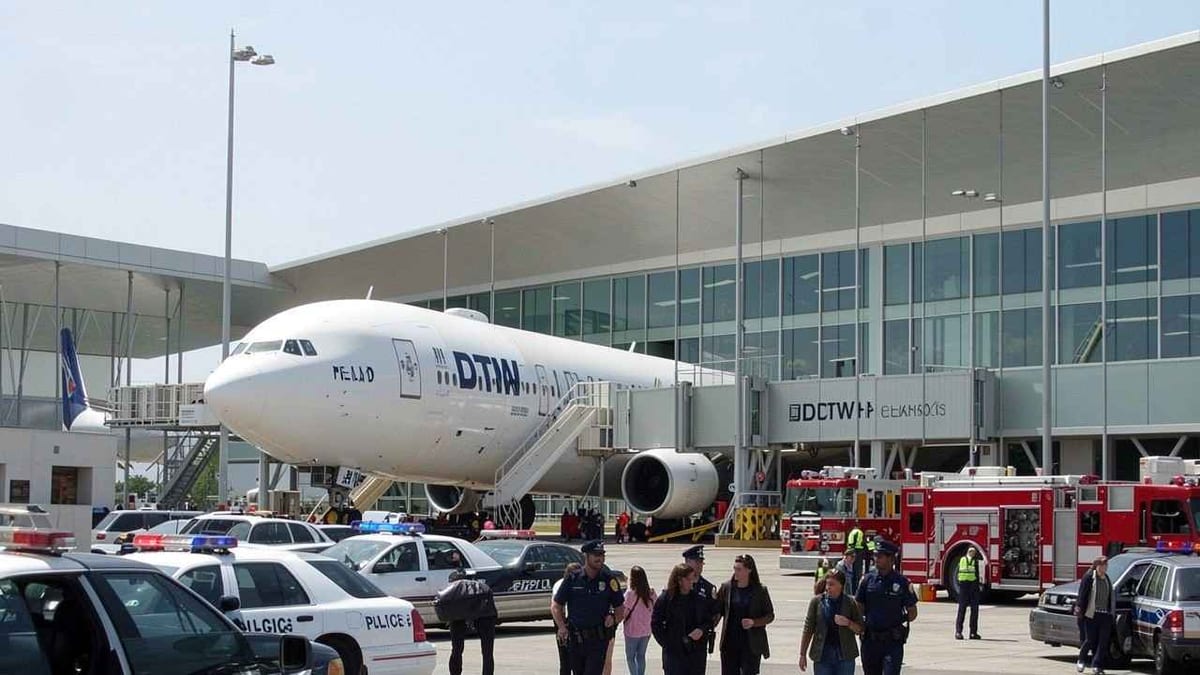
Delta Air Lines flight DL1025, an Airbus A321 operating between Minneapolis and Denver, diverted to Salt Lake City International Airport on June 8, with publicly available tracking data indicating a safe landing and routine handling of passengers after the unscheduled stop.
Get the latest news straight to your inbox!
Unscheduled Diversion on a Routine Domestic Route
Flight-tracking platforms that monitor commercial operations in real time show that DL1025 departed Minneapolis–Saint Paul International Airport on the afternoon of June 8, 2026, bound for Denver International Airport. Midway through the journey, the aircraft altered course and headed southwest toward Salt Lake City instead of continuing directly to Colorado.
Tracking history compiled by aviation data services lists the aircraft as an Airbus A321-211 registered to Delta Air Lines, with the flight operating as part of the carrier’s regular schedule between Minneapolis and Denver. The flight path for June 8 ends at Salt Lake City International Airport, where the service is recorded as “diverted,” contrasting with previous days when the same flight number completed the nonstop route to Denver.
Available information has not yet identified a single, specific cause for the diversion. Airlines can redirect flights for a variety of reasons that may include onboard medical issues, weather disruptions along the planned route, mechanical or technical checks, or congestion at the destination airport. In the absence of a detailed explanation, the decision to divert is generally interpreted as a precautionary measure intended to keep operations within conservative safety margins.
Data from subsequent days indicates that DL1025 returned to its typical routing between Minneapolis and Denver, using the same aircraft type and similar departure times. That pattern suggests that the June 8 diversion was treated as an isolated operational event rather than part of a wider schedule change on the route.
Passenger Experience and Onward Travel Arrangements
Publicly available information compiled from flight-tracking records and online accounts indicates that passengers on the June 8 service disembarked at Salt Lake City after the diversion, with no reports of injuries. The safe arrival of the aircraft at a major Delta hub meant travelers had access to additional connections and ground support following the disruption.
Industry practice in such situations generally involves rebooking affected passengers on later flights to their original destinations, either the same day or on the following day, depending on seat availability and crew-hour limitations. Given Salt Lake City’s role as a key connecting point in Delta’s domestic network, travelers from DL1025 likely had multiple options to continue on to Denver or to other cities if they were making onward connections.
Travelers who experience diversions are often advised by airlines and consumer advocates to use mobile apps, airport display boards, and customer service desks to monitor rebooking options and updated departure times. For DL1025 passengers, digital tools and in-airport announcements would have helped clarify new itineraries once the aircraft was on the ground in Salt Lake City.
While the diversion would have disrupted evening plans and potentially caused missed connections in Denver, the absence of extended schedule irregularities on subsequent days suggests that most passengers were accommodated on alternative flights without long-lasting travel impacts.
Salt Lake City’s Role as a Strategic Diversion Point
Salt Lake City International Airport serves as one of Delta’s most important domestic hubs, with extensive connectivity across the Mountain West and beyond. Airline schedule data and airport planning documents show that the hub supports a dense bank of arrivals and departures, giving carriers flexibility when a flight needs to be rerouted from its original destination.
The airport’s position between the Upper Midwest and the Rocky Mountain region makes it a logical option for aircraft that encounter operational issues while en route between cities such as Minneapolis and Denver. From Salt Lake City, passengers can typically access multiple daily departures to major markets, including Denver, as well as smaller regional destinations that rely on hub connections.
Salt Lake City’s hub status also means that maintenance, ground handling, and crew resources are more readily available compared with smaller airports. When a diverted aircraft requires inspection, a crew change, or coordination of new flight assignments, a hub environment can help shorten the time needed to restore normal operations.
For travelers, the concentration of flights at a hub can increase the likelihood of same-day alternatives following a diversion. Even when overnight stays become necessary because of crew duty limits or late arrival times, hub cities usually offer a wide range of accommodation options and ground transport links to the surrounding metropolitan area.
What the Diversion Means for Future DL1025 Passengers
Historical tracking data for DL1025 shows the flight continuing to operate on the Minneapolis to Denver route in the days leading up to and following June 8, using the Airbus A321 family on a schedule of roughly two hours block time. This continuity indicates that the diversion has not resulted in broader changes to the route, aircraft assignment, or timetable.
For passengers booked on upcoming departures, the event is likely to be regarded as an isolated irregularity rather than a signal of ongoing instability in the service. Diversions occur across the global airline industry on a daily basis and are generally treated as evidence of conservative safety management, rather than a sign that a particular route is inherently problematic.
Travel experts often recommend that passengers build modest connection buffers into their itineraries, particularly when traveling through busy hubs or during seasons when weather can be unpredictable in the central United States. Allowing extra time between flights can reduce the risk of missed onward connections if an unexpected diversion or holding pattern occurs.
Those planning to fly on DL1025 in the near future may also find it useful to enable flight-status notifications in airline apps and through third-party trackers. Such tools can provide early updates about departure delays, gate changes, or route adjustments, helping travelers make more informed decisions at the airport.
Broader Context: Diversions as Part of Normal Airline Operations
Industry statistics and publicly discussed case studies show that diversions are a regular feature of commercial aviation, even on short-haul domestic routes. While such events can be unsettling for passengers, they are typically undertaken out of caution, with the goal of bringing aircraft to airports that offer the best combination of runway conditions, technical support, and medical access if needed.
Recent examples discussed in aviation forums and news coverage include long-haul flights diverting for suspected technical faults, aircraft changing course for onboard medical emergencies, and services rerouted to alternative hubs when weather conditions at the original destination deteriorate. In many cases, flights resume to their intended destinations once the underlying issue has been addressed, and airlines analyze each event to refine operational procedures.
For aviation planners and safety specialists, diversions such as the June 8 DL1025 event contribute to a broader dataset that informs route planning, fuel policies, and contingency strategies. Over time, patterns in diversion activity can highlight particular weather corridors, equipment types, or seasonal pressures that merit closer monitoring.
For travelers, the key takeaway from the DL1025 diversion is that significant operational changes can occur even on routine segments between familiar cities. Staying informed through reputable tracking tools, building flexible itineraries, and understanding that diversions are part of the industry’s safety framework can help passengers navigate similar situations with greater confidence.