


More news on this day
Passengers on a Delta service operating as Flight DL2730 between Baton Rouge and Atlanta experienced unexpected disruption when the aircraft diverted to Birmingham, Alabama, after an in flight issue prompted a precautionary landing.
Get the latest news straight to your inbox!
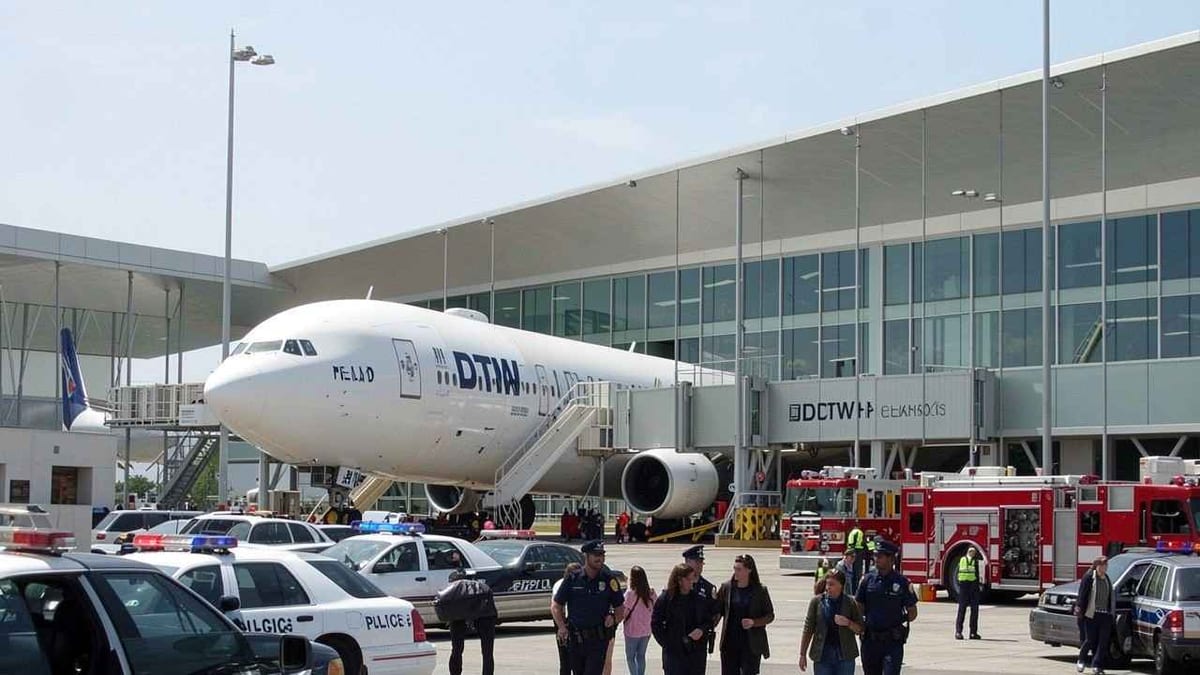
Unexpected Diversion on Regional Delta Service
Publicly available flight tracking information shows that the flight, operating under the DL2730 designation, departed Baton Rouge Metropolitan Airport on schedule before altering course partway through the journey. Instead of continuing toward its intended destination of Hartsfield Jackson Atlanta International Airport, the aircraft turned northeast and headed for Birmingham Shuttlesworth International Airport.
Data from multiple flight tracking platforms indicates that the diversion occurred during the cruise portion of the relatively short sector between Louisiana and Georgia, a corridor that regularly sees Delta operated regional services. The aircraft subsequently landed in Birmingham, where it remained on the ground while arrangements were made for onward travel.
Initial indications from operational data suggest the decision to divert was taken relatively quickly once the aircraft changed heading, consistent with standard airline procedures when a potential technical or operational concern is identified in flight.
Operational Context and Possible Contributing Factors
At the time of the diversion, weather systems were moving across parts of the Southeast, with convective activity periodically affecting traffic flows into major hubs such as Atlanta. Airline operations in the region have recently seen a series of reroutes and delays linked to thunderstorms, ground stops, and air traffic flow management, increasing the likelihood that any additional in flight issue would lead to a precautionary diversion rather than continuing to a busier primary hub.
According to published operational guidance used across the industry, regional flights into heavily trafficked hubs often opt for nearby alternate airports when crews detect cautionary system messages, encounter minor technical anomalies, or face medical situations on board. Birmingham Shuttlesworth International Airport, located roughly midway between Baton Rouge and Atlanta, serves as a logical alternate for flights in this airspace due to its runway length, available services, and existing Delta presence.
Early information about the event does not point to a severe emergency, and there were no immediate public reports of injuries. The aircraft’s routing and timing suggest a controlled, precautionary diversion in line with standard procedures rather than a high urgency situation requiring priority handling on arrival.
Impact on Passengers and Subsequent Travel Arrangements
The diversion left travelers unexpectedly arriving in Birmingham instead of Atlanta, a key connecting point for domestic and international itineraries. For many passengers on flights of this type, Atlanta often serves as a transfer hub toward destinations across the United States and beyond, which means a sudden change of airport can quickly cascade into missed connections and disrupted travel plans.
Information available from itinerary and schedule data indicates that Delta maintains a network of flights from Birmingham to major hubs, including services to Atlanta and other large airports. This connectivity typically allows the airline to rebook disrupted passengers on later flights or alternative routings once the aircraft has safely parked and disembarkation has taken place.
Travelers affected by unplanned diversions are generally advised, according to common industry practice, to monitor their airline’s mobile app or airport departure boards for reissued boarding passes and revised connection details. Customer accounts from similar recent events across the Delta network describe a mix of rebooking onto subsequent departures, rerouting through different hubs, or, when necessary, overnight accommodation if onward flights are no longer available the same day.
Birmingham’s Role as an Alternate Airport for Delta
Birmingham Shuttlesworth International Airport plays a well established role as a secondary field for flights across the southeastern United States, with multiple major carriers operating regular services. Its geographic position between several Delta cities makes it a practical alternate for flights encountering issues en route to Atlanta or other regional hubs.
Airport and schedule data show that Birmingham supports regular Delta operated flights, along with ground handling and maintenance capabilities appropriate for narrowbody and regional aircraft. This infrastructure allows diverted flights to disembark passengers, refuel, and undergo basic technical inspections while airline operations teams determine the safest and most efficient next steps.
Recent months have seen Birmingham used as an alternate for a range of carriers during periods of severe weather and congestion elsewhere in the region. In this context, the decision for a Baton Rouge to Atlanta service under the DL2730 designation to land there is consistent with broader operational patterns in the Southeast’s busy air corridor.
Growing Pattern of Weather and Operational Disruptions
The diversion of DL2730 adds to a series of incidents across North American airspace this summer in which flights have been rerouted or forced to divert due to a combination of convective weather, congestion at major hubs, and localized technical issues. Public discussion from travelers has highlighted extended delays, diversions to regional airports, and overnight layovers that turn relatively short journeys into protracted experiences.
Analysts following airline performance note that carriers operating large hub and spoke networks in storm prone regions are particularly susceptible to such disruptions during the warm season. Even minor onboard messages or non critical maintenance concerns can translate into diversions when combined with saturated arrival streams and temporarily reduced airport capacity.
While specific technical details regarding the Baton Rouge originated DL2730 service have not been publicly detailed, the pattern of a controlled diversion to Birmingham, safe landing, and subsequent rebooking efforts fits a broader trend of airlines prioritizing caution and operational flexibility in an increasingly unpredictable weather environment.