


More news on this day
Heavy fog around Edmonton International Airport on the morning of November 2 disrupted flight operations, with reduced visibility contributing to a series of delays and cancellations affecting travelers across domestic and transborder routes.
Get the latest news straight to your inbox!
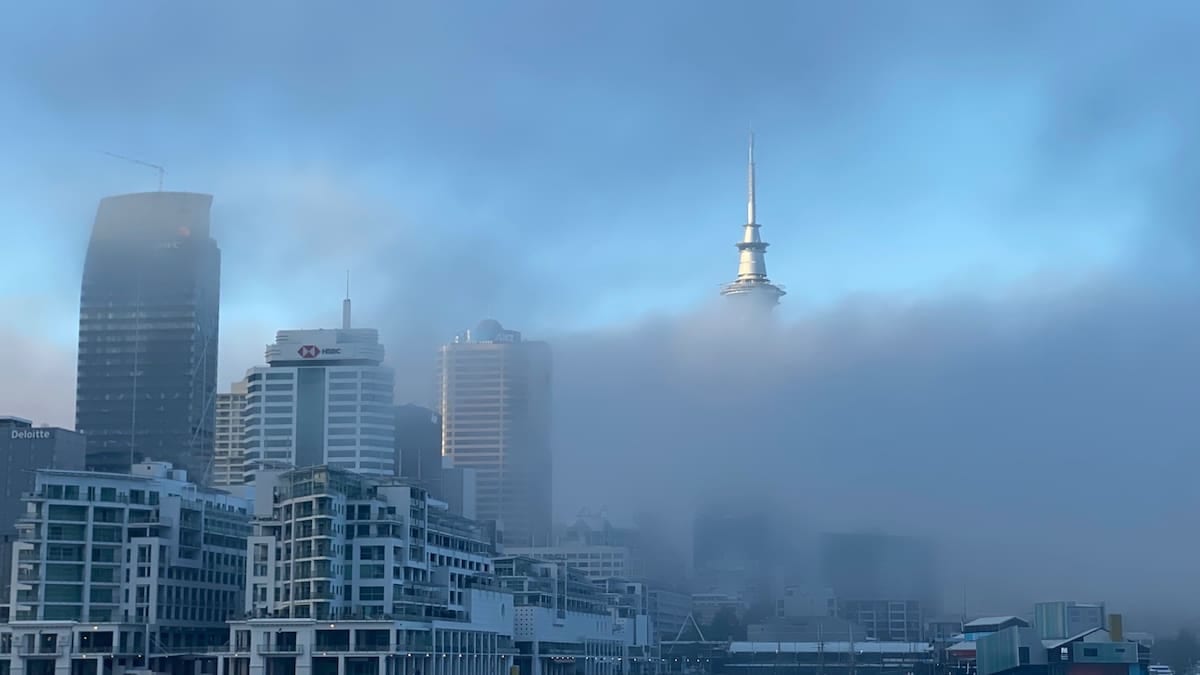
Low visibility and freezing fog around Edmonton
Publicly available aviation and weather data show that Edmonton International Airport recorded freezing fog and very low visibility conditions from late November 1 into the early hours of November 2. Meteorological reports for the airport indicated persistent fog in the area, with temperatures hovering below the freezing mark and light winds that limited dispersal of the moisture in the air.
Environment and climate bulletins for the Edmonton region on November 1 highlighted dense fog over parts of central Alberta, including areas near and west of the city. The bulletins noted ongoing low visibility in fog through the evening and overnight period, creating challenging conditions for both road travel and aviation.
Specialized aviation weather feeds for the Edmonton airport listed freezing fog in the vicinity, a condition that can combine the visibility problems of dense fog with the risk of ice accumulation on aircraft surfaces and airport infrastructure. This combination often requires stricter operating limits for takeoffs and landings and can slow ground handling as crews work within safety protocols.
Airfield visibility readings during the early morning period fluctuated at levels where airlines and air traffic controllers typically reassess arrival and departure rates. When visibility drops below defined thresholds, flights may be held on the ground at their origin, placed into holding patterns, or diverted to other airports that are not affected by the same weather system.
Wave of delays and cancellations on key routes
Live arrivals and departures information for Edmonton International Airport on November 1 and the early hours of November 2 shows a cluster of delayed and cancelled flights that coincided with the period of thick fog. Several late-night and overnight arrivals scheduled from leisure and sun destinations were marked as cancelled, including services from Cancun and Puerto Vallarta on Canadian carriers.
Domestic connectivity was also affected. Information boards listed cancellations for flights linking Edmonton with Calgary, Vancouver, Yellowknife, and Fort McMurray late on November 1, along with delays to multiple evening services from British Columbia and Alberta regional centers. Some aircraft that did operate into the early morning arrived behind schedule, reflecting flow-control measures and weather-related ground holds.
Transborder operations saw disruption as well, with at least one overnight arrival from Las Vegas and one from Phoenix listed as cancelled around the time of the adverse visibility. A Houston service arriving late on November 1 showed a significantly delayed arrival, indicating that the low visibility around Edmonton had knock-on effects beyond Canada’s borders.
By mid-morning on November 2, publicly accessible flight-status pages showed a gradual normalization of schedules, with most daytime flights from major hubs such as Toronto, Calgary, and Vancouver operating on time. A small number of morning Vancouver services remained cancelled, suggesting that aircraft and crew positioning continued to recover from the earlier weather impacts.
How airlines handle fog-related disruptions
When fog reduces visibility below certain thresholds, airlines and airport operators adjust operations based on a combination of aircraft equipment, crew certification, runway lighting, and air traffic guidelines. Publicly available aviation references explain that while modern jetliners can land in low-visibility conditions using advanced instrument systems, there are still minimums that must be respected to maintain safety margins.
In practice, this can mean that two flights scheduled around the same time experience different outcomes. An aircraft equipped and certified for more advanced low-visibility approaches with a crew trained for those procedures may still be able to land, while another service may need to divert or hold until conditions improve. Ground operations, such as guiding aircraft on taxiways and loading baggage, may also take longer when visibility is poor.
Operational data from airlines serving Edmonton indicate that in fog events, carriers often prioritize maintaining connectivity on trunk routes to and from major hubs, where passengers can be rebooked more easily. Point-to-point and seasonal leisure routes are more vulnerable to cancellation when aircraft and crews need to be reassigned. This pattern appeared on the November 1 schedule, where several sun and regional services were cancelled while some core domestic and transborder flights still operated with delays.
Published travel guidance from carriers encourages passengers to monitor flight status online and to ensure their contact details are up to date in airline booking systems. During rapidly changing weather, schedules can be revised repeatedly in a short window, and electronic notifications are often the fastest way to receive rebooking information or gate changes.
What travelers through Edmonton can expect today
As of late morning on November 2, airport information boards show that most arriving and departing flights at Edmonton International are listed as on time, suggesting that the thickest fog has begun to lift around the airfield. However, scattered cancellations earlier in the day, particularly on routes to and from Vancouver, remain visible in the schedule, reflecting aircraft that could not be repositioned in time.
Weather services tracking conditions at the airport still indicate the potential for patchy fog in the vicinity, along with cool temperatures that can support freezing fog in sheltered areas. Travelers scheduled to fly later in the day are therefore being advised through publicly available airline and airport channels to keep checking flight status before leaving for the terminal, in case visibility deteriorates again.
Ground access to the airport may also be slower than usual during any lingering fog, especially on highways and rural roads south of Edmonton, where drivers can encounter localized low-visibility pockets. Road safety advisories recommend allowing extra travel time, using low-beam headlights, and reducing speed when entering dense fog banks.
Travelers connecting through Edmonton to northern destinations such as Yellowknife and remote Alberta communities may see residual schedule changes as airlines reposition aircraft and crews following the overnight disruptions. Published timetables suggest that carriers intend to operate a normal evening schedule, but individual flights may still be subject to delay if aircraft arrive late from earlier legs.
Planning ahead for fog season in central Alberta
The early November fog event around Edmonton fits a seasonal pattern for central Alberta, where temperature inversions and longer nights can trap moisture near the surface during late autumn. Historical climate information for the region shows that episodes of dense fog are more common during the shoulder seasons, when daytime heating is not yet strong enough to disperse low clouds quickly after sunrise.
For travelers planning trips through Edmonton International Airport in late autumn and winter, publicly available travel advice suggests building extra buffer time into itineraries that involve tight connections, especially for early morning departures and late-night arrivals. Booking slightly longer layovers can provide added flexibility if one segment is delayed by fog or other weather.
Airlines that serve Edmonton typically publish their policies on weather-related rebooking, same-day changes, and accommodation on their websites. These policies can vary between carriers and ticket types, so reviewing the conditions of carriage before travel can help passengers understand what options they have if fog or other weather disrupts their plans.
As the season progresses, a combination of freezing fog, snow, and low temperatures can influence operations at Edmonton and other Alberta airports. Monitoring both meteorological outlooks and live airport information in the 24 hours before departure remains one of the most effective ways for travelers to anticipate potential schedule changes and adjust their plans accordingly.