


More news on this day
Travelers across the United States and on select international routes experienced fresh disruption on Friday as operational data showed 224 delayed departures and eight cancellations at Denver International Airport, affecting services operated by Southwest, United, SkyWest and other carriers to major hubs including New York, San Francisco, Dallas and London.
Get the latest news straight to your inbox!
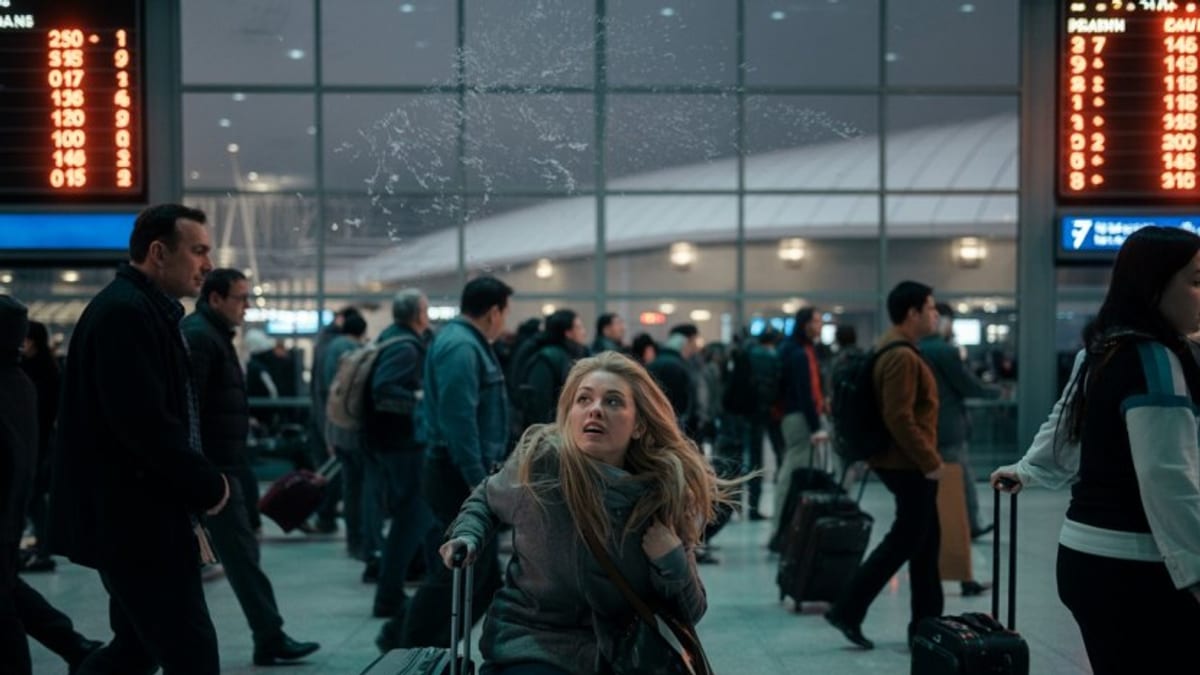
Denver Disruptions Spread Across the Network
Operational trackers for May 22 indicate that Denver International Airport, one of the country’s busiest connecting hubs, recorded more than two hundred delays alongside a smaller number of outright cancellations. While the majority of flights ultimately departed, the combination of late turnarounds and aircraft arriving behind schedule created knock-on issues across the day’s schedule.
Publicly available flight data shows that Southwest, United and regional partner SkyWest were among the most affected operators, reflecting their extensive networks through Denver. With many flights operating as part of complex chains, a delay on a morning departure from Denver can cascade into further disruption in the afternoon and evening on routes that never touch Colorado.
Information published by the Federal Aviation Administration highlights Denver as a recurrent pressure point during periods of unsettled weather or operational strain, and recent national performance reports rank the airport among major US hubs with higher than average delay percentages. In this context, a day featuring 224 delays at a single airport represents a meaningful spike that is likely to be felt far beyond the Front Range.
Denver’s role as a connecting gateway for both domestic and limited international traffic means that the impact is rarely confined to local travelers. Passengers beginning journeys in smaller regional markets or overseas cities often discover that an issue in Colorado becomes the reason for a missed connection several time zones away.
Impact on Southwest, United, SkyWest and Partner Airlines
Southwest Airlines, which operates a dense schedule of point to point and connecting services into Denver, experienced a series of delayed departures on popular leisure and business routes. Flight status tools for services linking Denver with Las Vegas, Orlando and other warm weather destinations showed pushes back from the gate later than scheduled, extending travel days for holidaymakers and families.
United Airlines and its regional partners, including SkyWest, also saw disruptions ripple through their Denver operations. United’s network uses Denver as a central hub connecting the Mountain West with both coasts, so delays on a handful of departures can quickly affect flights to major cities such as New York, San Francisco and Dallas when aircraft and crews arrive late from earlier segments.
SkyWest, which operates many flights under the United Express banner, plays a key role in feeding passengers from smaller communities into Denver for onward connections. When regional arrivals run late, travelers may miss narrow connection windows to long haul or transcontinental services, resulting in rebookings, overnight stays or lengthy waits for the next available seat.
Other carriers with smaller footprints at Denver reported more limited schedule changes, but the presence of shared airspace and runway capacity means that any congestion can still nudge departure times across the board. Low cost and ultra low cost airlines that rely on tight turnaround times may be particularly exposed when gate availability or taxi times are constrained.
Major Routes Affected, From New York to London
Because Denver feeds traffic into multiple coasts and international gateways, Friday’s delays were visible on itineraries reaching far beyond Colorado. Flights connecting through Denver to airports serving New York, including major hubs, logged departure and arrival times that diverged from their published schedules as the day progressed.
San Francisco, another large international gateway, also appeared among the destinations linked to delayed services. Public FAA status pages showed ongoing ground delay programs at San Francisco, compounding problems for passengers whose journeys depended on both Denver and Bay Area operations functioning smoothly.
Dallas, a significant connection point for domestic and Latin American travel, featured in itineraries affected by late running flights from Denver. Passengers whose planes were scheduled to route from Denver into the Dallas area reported extended ground times and revised arrival estimates, with some missing onward departures as aircraft arrived after boarding cutoffs.
Transatlantic journeys were not immune. Itineraries using Denver as a first leg toward London and other European destinations faced disruption when initial domestic segments left late, leaving limited margin for making evening departures from coastal hubs. Even when long haul flights themselves operated close to schedule, travelers arriving from delayed Denver connections risked being rebooked to later services.
Weather, Congestion and Systemic Strain Behind the Numbers
While no single cause fully explains the scale of Friday’s delays at Denver, publicly available information points to a familiar cocktail of factors, including seasonal weather patterns, high demand and airspace congestion. FAA air traffic summaries for late May highlight storm activity and low visibility at several central and western hubs, which can force the temporary spacing out of arrivals and departures.
Industry analyses of recent years show that Denver frequently appears among top US airports for delay percentages, in part because it sits at the intersection of busy cross country routes and is vulnerable to sudden shifts in mountain weather. When thunderstorms, low clouds or strong winds develop, controllers may have to adjust runway configurations, reduce arrival rates or briefly pause some operations for safety reasons.
Airline network design can also magnify the impact of even modest disruptions. Carriers that schedule tight turnarounds and complex aircraft rotations rely on on time performance at each stage of the day. Once the system absorbs a wave of delays, it can take many hours, or even an entire operational day, to fully recover, particularly when flights are reportedly running near capacity.
Recent disruption studies covering the US market underscore how a relatively small number of cancellations can be overshadowed by thousands of delayed passengers. On a day when eight flights are cancelled outright from a single hub, downstream effects can include stranded crews, out of position aircraft and heavy demand for limited spare seats on remaining services.
What Passengers Can Do When Disruptions Hit
Consumer travel guidance based on recent disruption events consistently recommends that passengers monitor their flight status as early and as often as possible, particularly when connecting through large hubs like Denver. Airline smartphone apps, airport departure boards and third party trackers can provide early warning of schedule changes, even before departure times shift on printed itineraries.
When delays threaten tight connections in cities such as New York, San Francisco, Dallas or London, travelers are often advised to proactively explore rebooking options rather than waiting until they have already missed a flight. Many carriers now allow limited, same day changes through digital channels in response to forecast disruptions, reducing the need to queue at airport service desks.
Travel analysts also emphasize the value of building additional time into itineraries that rely on weather sensitive hubs or late evening long haul departures. A slightly longer layover at an East Coast or West Coast gateway can provide a useful buffer when an originating flight from Denver leaves behind schedule, lowering the risk of an unplanned overnight stay.
For those already at the airport when delays mount, published advice suggests staying close to the departure gate, keeping boarding passes and identification handy, and watching for gate changes or aircraft swaps that can suddenly accelerate boarding. While passengers cannot control storm systems or airspace congestion, informed and proactive decisions can help mitigate some of the inconvenience when a day like Friday’s 224 delays and eight cancellations disrupts travel plans.