


More news on this day
Train operators serving Devon are extending travel warnings and altered timetables as an intense early summer heatwave continues to grip large parts of England, prompting ongoing speed restrictions and raising the risk of further disruption on key routes into the county.
Get the latest news straight to your inbox!
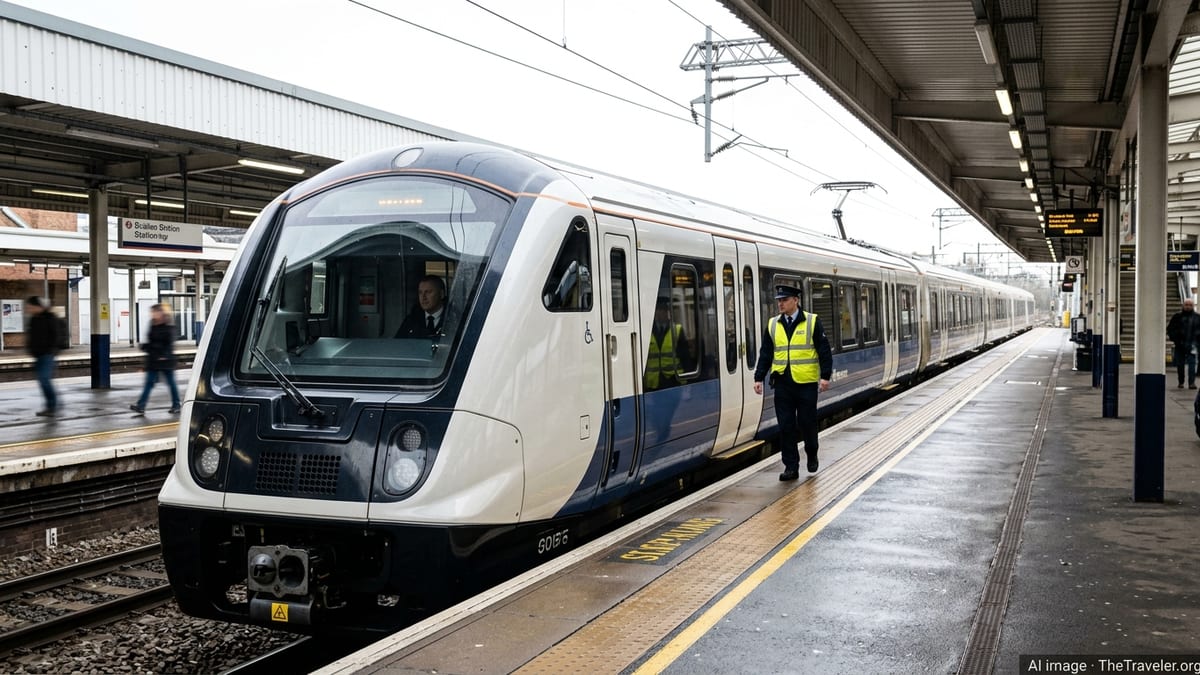
Heatwave impact spreads across Devon rail network
The continuing spell of extreme temperatures is placing sustained pressure on the rail network in the South West, with services into and across Devon among those most affected. Publicly available information from train companies indicates that advice to travel only if journeys are essential, first issued earlier in the week, is now being extended as forecasts show little immediate relief from the heat.
The Met Office has issued severe heat alerts across southern and central England, with parts of the region expected to challenge historic June temperature records. Prolonged heat increases the likelihood of rail defects, including risks of track buckling and overhead line problems, leading infrastructure managers to impose precautionary speed limits and limit the number of trains running on busy main lines.
These combined factors are contributing to slower journeys, tighter capacity and a higher probability of short notice changes. Passengers heading to or from Devon for leisure trips, commuting or onward connections are being urged by operators to check services repeatedly on the day of travel and to be prepared for crowded trains and extended journey times.
GWR and CrossCountry extend warnings and timetable changes
Great Western Railway, which runs intercity and regional services through Devon to destinations including Exeter, Plymouth and Paignton, is operating amended timetables while the heatwave persists. Published customer information shows that some long distance services are being shortened or retimed, with extra contingency built in for enforced slow running on hotter stretches of track.
CrossCountry, which connects Devon with cities across the Midlands, North of England and Scotland, has also extended earlier warnings advising customers to travel only if necessary on the hottest days. Reports indicate that some cross country services are being curtailed before reaching the far South West, with rail replacement and alternative routing options offered where possible, though capacity on those alternatives can be limited.
Both operators are flagging that disruption may continue beyond the peak of the current temperature spike because of the need to inspect and, where required, repair infrastructure that has been under stress. This means that reduced timetables and journey planners showing fewer through trains into Devon may remain in place even as conditions start to moderate.
Speed restrictions and infrastructure risks behind the disruption
Technical guidance published for the rail industry highlights that steel rails can reach temperatures far higher than the surrounding air during extended periods of strong sunshine. As rails heat and expand, they place extra force on fastenings and sleepers, raising the possibility of lateral movement and buckling if trains continue to operate at normal speeds.
To lower these risks, infrastructure managers use predefined heat thresholds to trigger speed restrictions on vulnerable sections of track. When such limits are applied over long distances, they reduce the number of trains that can safely run each hour. For routes into Devon, where key main lines are already constrained by coastal sections and historic alignments, even modest speed reductions can quickly translate into delays and cancellations across a much wider area.
In parallel with track issues, overhead power lines in electrified areas can sag in high temperatures, while electrical and signalling equipment may be more prone to faults. Although much of the core Devon route remains diesel operated, the network is closely connected to electrified main lines further east, meaning incidents outside the county can still cascade into local disruption.
Passenger advice for journeys to and within Devon
Rail travel guidance issued during previous UK heatwaves is being reiterated during the current spell of extreme weather. Passengers considering journeys to Devon are being encouraged by published operator information to plan flexibly, avoid the hottest parts of the day where possible and allow additional time for onward connections to rural and coastal destinations.
Advance ticket holders are being advised through public updates that they may be able to travel on alternative services at different times if their booked train is cancelled or heavily delayed, subject to each company’s specific arrangements. Refund and compensation policies remain in place, although processing can take longer during periods of widespread disruption because of the volume of claims.
Travel planners also point to the importance of preparing for on board conditions. Even where air conditioning is available, crowded services in very high temperatures can become uncomfortable, particularly if trains are held at signals or brought to a stand while engineers inspect track or equipment. Passengers are therefore urged to carry water, take particular care of children, older travellers and those with health conditions, and to monitor operator channels for any short notice platform or routing changes.
Outlook for services as temperatures remain high
Forecasts suggest that the heatwave affecting England will persist in the short term, with only gradual cooling expected later in the week. Until track temperatures fall back to levels where the risk of buckling is reduced, operators serving Devon are expected to keep extended warnings and adjusted timetables in place.
Rail industry planning documents indicate that lessons from earlier extreme weather episodes are increasingly shaping operational decisions, with a stronger emphasis on precautionary measures and clear public messaging. In practice, that means passengers are likely to see earlier and more conservative travel advisories when temperatures spike, as is happening in the current Devon situation.
For now, those needing to reach Devon by rail are being urged to treat journey times as provisional, check for updates repeatedly on the day of travel and consider alternative dates where plans are flexible. With high summer and the main holiday season approaching, how effectively the network copes with this heatwave may also influence future decisions on investment in rail resilience across the South West.