


More news on this day
Hundreds of dog owners who signed up for what was billed as a first-of-its-kind pet-friendly cruise say they are out thousands of dollars after the highly publicized sailing failed to depart, adding a new twist to the growing list of questionable cruise offers targeting animal lovers.
Get the latest news straight to your inbox!
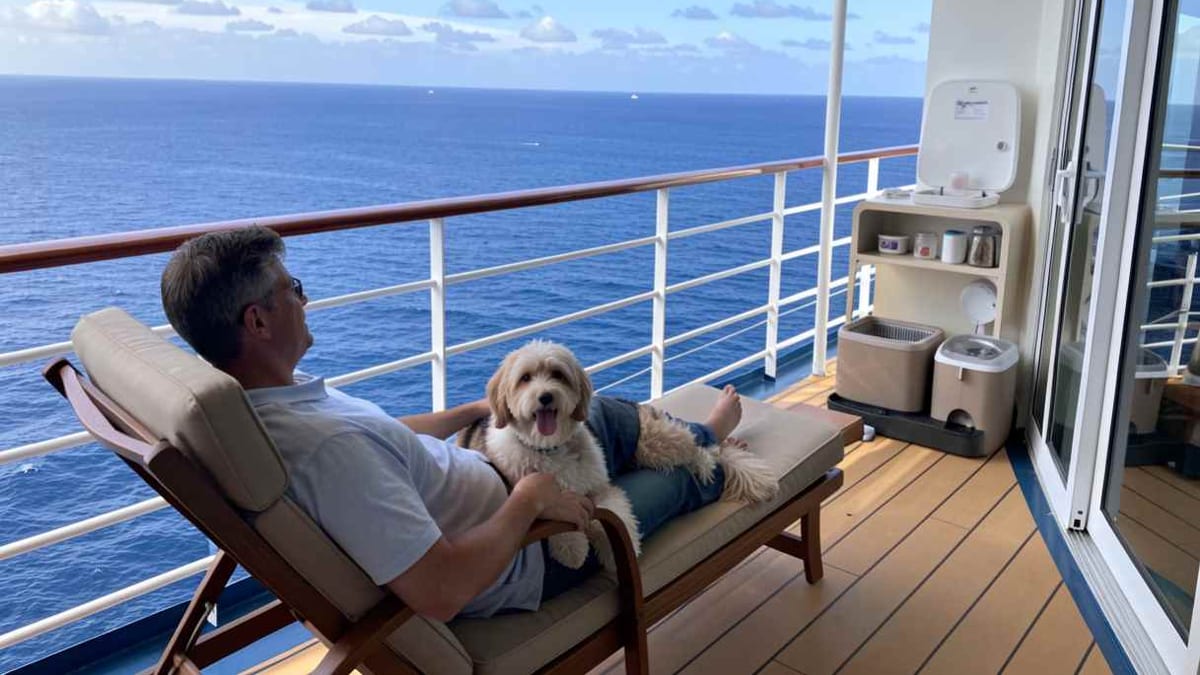
A Niche Cruise Promise That Never Left Port
The cruise was promoted as a rare opportunity for travelers to bring their pet dogs on an ocean voyage, a concept that remains unusual in an industry where most mainstream lines only accept trained service animals. Promotional materials described kennel access, dog play areas and pet-focused events at sea, tapping into a market of owners eager to avoid boarding facilities or pet sitters and instead travel with their animals.
Participants report that deposits and final payments were collected months in advance, with price points significantly higher than typical mass-market cruises of similar length and itinerary. Many customers viewed the premium as the cost of accessing an experience that is typically limited to a handful of transatlantic crossings on ships such as Cunard’s Queen Mary 2, which offers a small, tightly controlled kennel program for dogs and cats.
As the scheduled departure date approached, travelers say they received shifting explanations about paperwork, logistics and ship arrangements. Some were told the sailing was being reconfigured, while others were assured that final details were imminent. In social media groups and cruise forums, participants began comparing notes and expressing concern as promised confirmations failed to arrive.
In the end, the voyage did not leave port as advertised. Accounts shared online describe a pattern of delayed responses, partial communication and unclear refund options, prompting many to characterize the venture as a scam rather than an isolated operational failure.
Red Flags Over Payments, Policies and Fine Print
Travelers who agreed to the pet-friendly cruise describe several early warning signs that, in hindsight, align with common characteristics of cruise-related fraud. Payments were sometimes routed through lesser-known intermediaries, and customers say it was difficult to verify whether a major cruise line or a dedicated charter vessel was actually secured for the trip.
Some marketing language emphasized “limited spaces” for dogs, with pressure to pay quickly to secure a kennel or cabin allocation. Consumer advocates often note that urgency tactics, vague ship details and unclear cancellation terms are hallmarks of questionable cruise promotions, especially when combined with nonrefundable deposits and complex refund processes.
Another point of confusion involved pet documentation and onboard care. Promotional materials highlighted extensive amenities for dogs but offered fewer specifics about veterinary support, exercise protocols and contingency plans for seasickness or behavioral issues. For many participants, the lack of clear, written policies about animal welfare and safety became more apparent only after financial commitments were made.
When the voyage failed to sail, some customers say they received partial or delayed communication about refunds, credits or alternative arrangements. Others report that their requests for itemized accounting or proof of underlying charter agreements went unanswered, further fueling suspicion that the operation was undercapitalized or improperly managed from the start.
Why Pet Cruises Are So Easy to Market
The appeal of a dog-friendly cruise is powerful in part because legitimate options are rare. Most cruise lines strictly limit pets to trained service dogs, with emotional support animals and companion pets explicitly excluded under company policies. Only a small number of ships worldwide offer kennels or designated pet programs, and these are typically tied to specific transatlantic routes rather than leisure itineraries in the Caribbean or Mediterranean.
Against that backdrop, any company promising a broad, bring-your-own-dog cruise taps into a strong emotional desire among pet owners to keep animals close during holidays. The idea dovetails with wider trends in pet-inclusive travel, where hotels, vacation rentals and even some rail services have expanded their dog-friendly offerings.
Because demand for such experiences exceeds the limited supply of genuine options, consumers may be more inclined to overlook fine print, accept higher prices or rely on social media testimonials rather than independently verifying the operator. Online groups dedicated to cruising and pet travel can amplify marketing messages, with enthusiastic early adopters sharing promotional materials before key details about licensing, charter contracts and insurance have been fully scrutinized.
This dynamic creates a fertile environment for underregulated ventures that blur the line between ambitious startup and outright scam, particularly when large deposits are collected long before any ship, crew or itinerary is firmly secured.
Broader Pattern of Niche Cruise Scams
The troubled dog-friendly cruise fits into a broader pattern of niche cruise offers that promise unique themes or experiences but fail to deliver. Consumer advocates and travel writers have chronicled free cruise vouchers tied to aggressive timeshare-style sales pitches, deeply discounted sailings that conceal substantial mandatory fees, and online “prize” cruises that turn out to be mechanisms for harvesting personal data and payment information.
In many of these cases, the underlying voyage may be tied to a real ship or itinerary, but the financial and contractual terms are structured in ways that disproportionately benefit the organizer. Travelers can wind up paying more than they would through a mainstream booking channel, while assuming additional risks if the intermediary collapses or fails to fulfill its obligations.
Special-interest cruises built around hobbies, celebrities or causes can be perfectly legitimate when backed by established charter firms and clear agreements with cruise lines. However, smaller or newer operators may lack the financial cushion to handle slow sales, rising charter costs or regulatory hurdles, increasing the chances that a voyage will be altered or canceled after payments are collected.
For pet-focused sailings, the complexity is greater. Organizers must navigate maritime health regulations, port-by-port animal import rules, kennel design, staffing and liability coverage. If these elements are not fully in place and transparently documented from the outset, customers may be funding a concept rather than a concrete, deliverable trip.
How Travelers Can Protect Themselves
Experts in travel planning recommend that consumers treat any pet-inclusive cruise with particular caution. One basic safeguard is to confirm the name of the underlying cruise line or ship and then cross-check that information directly with the line, using contact details published on its official channels. If the line has no record of the charter or cannot confirm the arrangement in writing, that is a significant warning sign.
Another protective step is to scrutinize payment terms. Reputable cruise sellers generally allow payment by major credit card, providing chargeback options if services are not delivered. Requests for large wire transfers, payment app transactions or checks to individuals rather than registered businesses warrant additional scrutiny, especially when combined with high-pressure sales tactics.
Travelers are also encouraged to research the company’s history, looking for previous sailings, independent reviews and any legal or regulatory filings. Social media presence alone is not a guarantee of reliability. For a complex product like a dog-friendly cruise, detailed written policies covering pet health documentation, onboard care, emergency procedures and refund conditions are essential and should be available before deposits are paid.
For many dog owners, the safest approach may be to separate their own vacations from their pets’ care, relying on trusted sitters or established boarding facilities while booking cruises through mainstream channels. Until the market for pet-inclusive cruises matures and is backed by operators with proven track records, the risk of paying for a dream voyage that never leaves the dock remains high.