


More news on this day
The Dominican Republic is emerging as one of the biggest winners in a fresh tourism boom across the Caribbean, as visa-free entry for many travelers, expanded flight schedules, rising cruise calls and a slate of new luxury resorts drive a surge in arrivals from the United States, Canada and Mexico.
Get the latest news straight to your inbox!
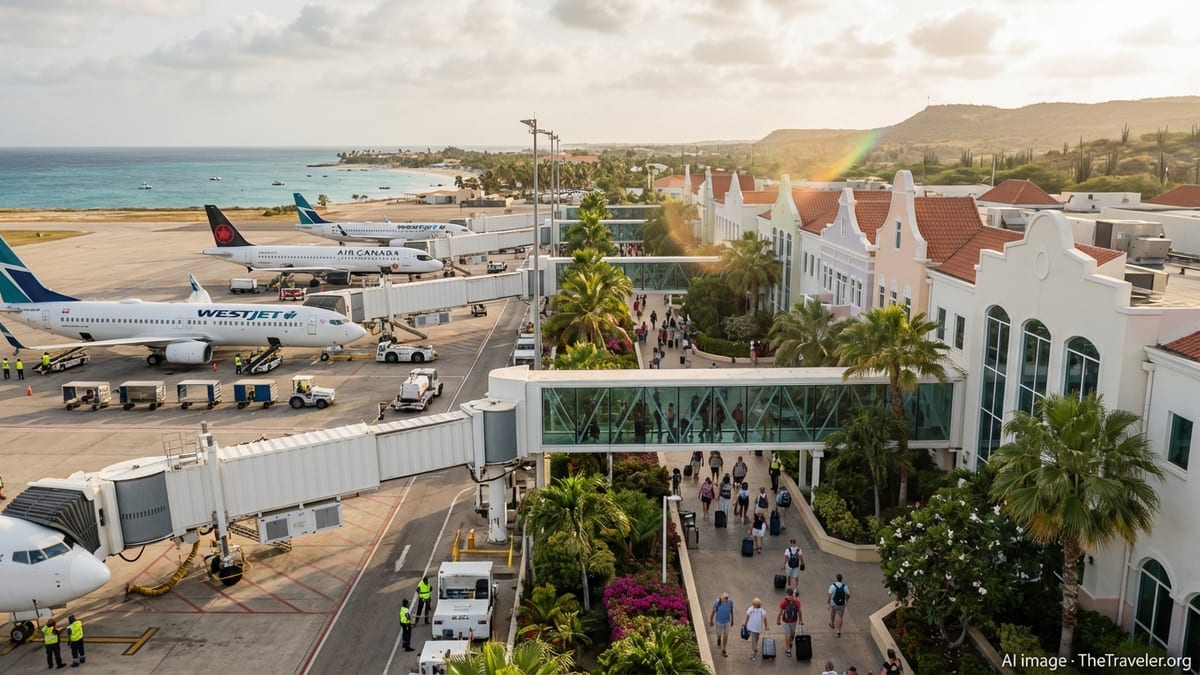
Visa-Free Entry and Simple Formalities Lift Visitor Numbers
Across the Caribbean, a growing number of destinations are leveraging relaxed entry rules and visa-free access to attract travelers from North America. The Dominican Republic is part of this shift, offering visa-free or simplified entry for many visitors holding passports from the United States, Canada and several Latin American countries, as well as facilitated processes for tourists from Mexico and other key markets, according to publicly available government information and travel advisories. These policies reduce friction at the border and support short-notice leisure travel, a key driver of beach and resort bookings.
Travel advisories from North American governments also highlight that Canadian and U.S. tourists can enter the Dominican Republic for leisure with relatively straightforward documentation, typically needing only valid passports and standard tourist entry cards. Similar arrangements across Jamaica, the Bahamas, Aruba, Barbados, Curaçao, the Cayman Islands and Antigua and Barbuda help explain why the region continues to outperform many global competitors in post-pandemic tourism recovery.
Industry briefings from regional tourism bodies indicate that these visa-free or visa-light regimes, combined with strong air connectivity, have positioned the Dominican Republic and its Caribbean peers as highly competitive sun-and-sea destinations for North Americans seeking winter escapes and short-haul vacations.
Record Air Connectivity From the US, Canada and Mexico
The latest data point to a major expansion in airlift into the Dominican Republic, mirroring trends in other high-demand Caribbean islands. Published figures from regional tourism performance reviews show the Dominican Republic remaining the top Caribbean destination by visitor arrivals in 2024, with more than 8 million tourists, ahead of Jamaica, the Bahamas and Aruba. Additional air routes from major North American hubs have been central to this growth, providing more non-stop connections to coastal resort areas such as Punta Cana, Puerto Plata and La Romana.
Government releases and aviation board resolutions in the Dominican Republic detail recent approvals for dozens of new or seasonal air routes, including services linking the country with multiple Canadian cities and Mexican gateways. Airlines from Canada have ramped up both winter-season charter flights and scheduled services into Dominican beach destinations, targeting the peak cold-weather period when Canadian demand for Caribbean vacations is strongest. At the same time, carriers have pursued new links between U.S. secondary cities and the island’s resort airports, further widening access beyond traditional hubs.
Other Caribbean destinations are following the same playbook. Airline announcements and airport statistics from Jamaica, the Bahamas, Aruba, Curaçao and the Cayman Islands show robust capacity additions from U.S. and Canadian markets, including an increasing share of flights from low-cost and leisure-focused carriers. For travelers, the result has been more seat availability and, in some cases, competitive fares that help sustain record or near-record arrival numbers across the region.
Cruise Tourism Helps Power the Caribbean Travel Surge
Cruise tourism is amplifying the Caribbean boom, with regional studies indicating that cruise lines generated billions of dollars in direct expenditures across more than 30 Caribbean and Latin American destinations between 2023 and 2024. The Bahamas, Cozumel in Mexico and the U.S. Virgin Islands are among the top-earning cruise ports, while the Dominican Republic ranks within the leading group of destinations by cruise revenue, reflecting rising calls at ports such as Amber Cove and Puerto Plata.
Industry reports show that total cruise visits to the wider Caribbean have exceeded pre-pandemic levels, helped by strong consumer demand from the United States and Canada. Major homeports in Florida and the U.S. Gulf Coast are feeding high-capacity ships on short itineraries that include stops in the Bahamas, Jamaica, Grand Cayman and the Dominican Republic, among others. Expanded itineraries from Mexican ports and growing interest in Southern Caribbean routes touching Aruba, Curaçao and Barbados are adding further volume.
For the Dominican Republic, cruise passenger growth complements strong air arrivals, broadening the visitor base beyond traditional week-long resort guests. Port developments and private cruise destinations in the Bahamas, Jamaica and other islands have demonstrated that investment in cruise infrastructure can rapidly translate into higher passenger counts, encouraging other Caribbean governments and private operators to consider similar projects.
Luxury Resorts and High-End Experiences Transform the Market
Alongside increased airlift and cruise calls, a wave of luxury resort development is reshaping the tourism offer in the Dominican Republic and neighboring islands. Hospitality research focused on Caribbean trends notes that destinations such as Aruba, Jamaica and the Dominican Republic are attracting major international brands, with new all-inclusive properties, branded residences and high-end boutique resorts joining established hotel zones.
In Aruba, for example, recent openings of upscale properties tied to global brands highlight investor confidence in sustained high-end demand from North American travelers. Similar patterns are visible in Jamaica, where luxury residential and hotel projects near major resort corridors are designed to appeal to affluent second-home buyers and long-stay guests from the United States and Canada. These investments create a pipeline of premium inventory that can support higher visitor spending and more diversified tourism economies.
The Dominican Republic has positioned itself as a leader in this shift, particularly around Punta Cana, Cap Cana and La Romana, where large integrated resorts, golf communities and marina developments cater to luxury travelers from North and Latin America. Publicly reported development plans suggest continued expansion of five-star and ultra-luxury offerings, aligning the country more closely with established high-end competitors such as the Cayman Islands and Barbados.
Regional Competition and Outlook for North American Travel
Despite intense competition between islands, regional tourism organizations describe a generally positive outlook for Caribbean travel from the United States, Canada and Mexico through 2026. Performance reviews from the Caribbean Tourism Organization indicate that multiple destinations, including the Dominican Republic, Jamaica, the Bahamas, Aruba, Curaçao, Barbados and Antigua and Barbuda, have surpassed or are on track to surpass pre-pandemic arrival records, supported by both stayover and cruise traffic.
Analysts point to several structural advantages underpinning this momentum: proximity to major U.S. population centers, a strong reputation for all-inclusive beachfront vacations, year-round warm weather, and the widespread use of visa-free or simplified entry regimes for short-term tourists. Additional factors include the rapid restoration of air capacity after pandemic-era cuts and the cruise industry’s decision to base significant tonnage in the Caribbean for much of the year.
For the Dominican Republic, the combination of simplified entry requirements, aggressive expansion of air routes from North America, growing cruise operations and sustained luxury resort investment has pushed the country to the forefront of the Caribbean tourism surge. As travelers from the United States, Canada and Mexico continue to seek convenient, sun-focused holidays, current trends suggest that the Dominican Republic and its regional competitors will remain among the most sought-after destinations in the hemisphere.