


More news on this day
Air travelers across Canada faced another day of disruption as publicly available tracking data on Wednesday indicated at least 32 cancellations and roughly 155 delays affecting services operated by Air Canada, WestJet, Jazz, British carriers, Porter, PAL and other airlines, with impacts concentrated at major hubs including Calgary, Toronto, Montreal, Edmonton, St. John’s and several regional airports.
Get the latest news straight to your inbox!
Major Canadian Hubs See Wave of Cancellations and Delays
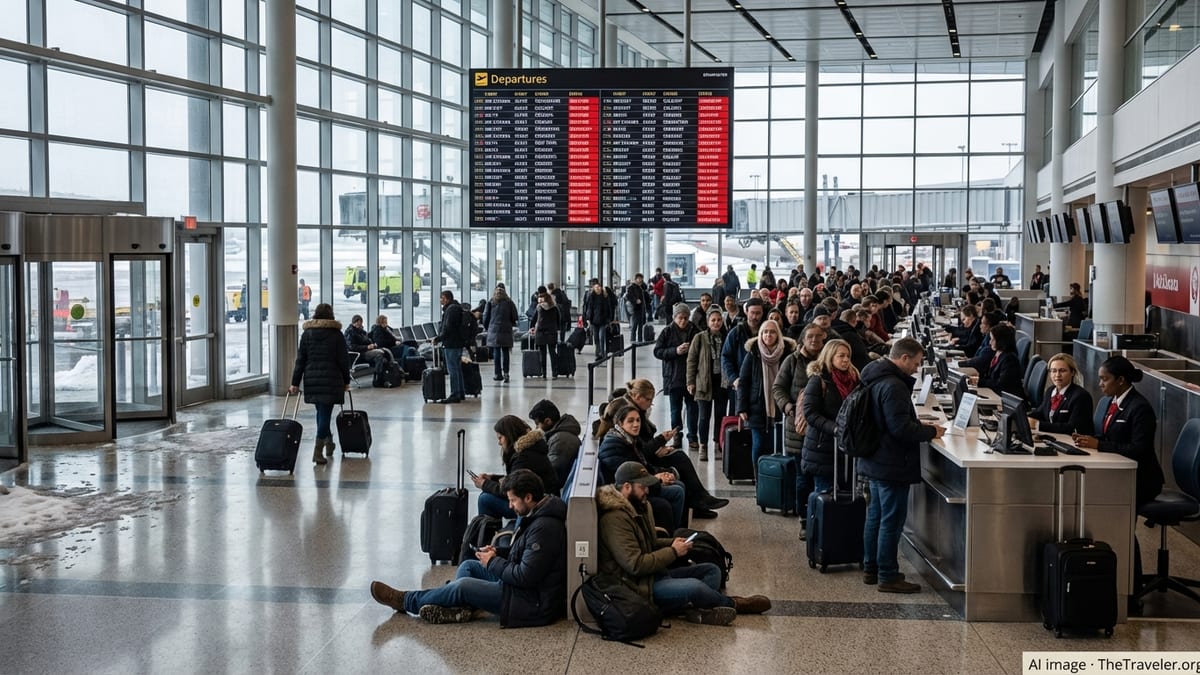
Data compiled from real-time airport departure and arrival boards on May 13 suggested that flight operations at Canada’s largest airports were under sustained strain. The combined total of at least 32 cancellations and around 155 delayed departures and arrivals was spread across major hubs, with Toronto Pearson, Montreal Trudeau, Calgary, Edmonton and St. John’s among the most affected.
Reports indicate that Air Canada and its regional partner Jazz accounted for a significant share of the disrupted services, joined by WestJet, Porter and PAL Airlines on key domestic routes linking central and western Canada with Atlantic communities. Additional delays were recorded on selected transatlantic and transborder services operated by European and British carriers, further complicating connections for long-haul travelers.
While the scale of disruption remained below the levels sometimes seen during severe weather events or major system failures, the figures pointed to a pattern of rolling delays and targeted cancellations that has persisted through the spring travel period. Travelers connecting through Toronto and Montreal in particular faced increased risk of missed onward flights as late-arriving aircraft and crews rippled through daily schedules.
Knock-on Effects From Recent Disruptions
The latest problems followed earlier episodes of disruption reported this week at major Canadian gateways. Coverage of delays at Vancouver International on May 12 described more than 30 late departures and several cancellations affecting routes to cities including Calgary and Montreal, while a separate analysis of operations at key hubs noted at least 25 cancellations and over 150 delays in a single day across the country.
These earlier events contributed to the broader strain on aircraft and crew availability that now appears to be surfacing in other markets. When flights run late or are withdrawn from the schedule, aircraft and staff can end up out of position, making it harder for airlines to operate subsequent legs on time. This dynamic is especially visible on domestic networks that rely heavily on short turnarounds between cities such as Toronto, Calgary, Edmonton and Montreal.
Publicly available commentary from travelers and aviation observers over recent weeks has also highlighted route-specific issues, including adjustments to some long-haul services and fuel-related pressures that have led carriers to reevaluate particular flights. Although those developments are distinct from the day’s irregular operations, they underline the broader operational and cost environment in which airlines are managing their Canadian schedules.
Regional Communities and Atlantic Canada Feel the Impact
Beyond the country’s largest hubs, Wednesday’s cancellation and delay figures also reflected knock-on disruption at smaller and regional airports. Atlantic Canada in particular has seen periodic schedule changes this year, and the latest irregular operations again touched routes linking larger centers to communities such as St. John’s and other airports in Newfoundland and Labrador and New Brunswick.
PAL Airlines and WestJet both play a role in connecting Atlantic cities with Toronto, Montreal and western Canada, while Air Canada and Jazz operate a mix of mainline and regional services into the region. When a single flight on these thinner routes is cancelled, passengers often have fewer immediate alternatives compared with those traveling between larger hubs, and rebooking options can involve overnight stays or multi-stop itineraries.
Reports from regional airports over the spring have pointed to a combination of factors behind schedule changes, ranging from aircraft allocation decisions to broader jet fuel supply concerns affecting some markets. In practice, travelers in these communities often experience the end result in the same way as passengers at busier hubs: last-minute changes to departure times, unexpected cancellations and tight connections that no longer hold.
Transatlantic and Interprovincial Routes Affected
Among the disrupted flights on May 13 were services connecting Canadian cities to London and other European destinations, reflecting the continuing sensitivity of long-haul operations to even minor schedule shocks. When an inbound aircraft from Europe arrives late or a transatlantic rotation is cancelled or retimed, associated domestic feeder flights to and from hubs such as Toronto, Montreal and Calgary can also be adjusted.
Interprovincial routes linking Alberta, Ontario and Quebec figured prominently in the day’s delay totals. Publicly accessible schedules show that services between Calgary and Montreal, as well as between Toronto and both Calgary and Edmonton, form critical east-west corridors for both business and leisure travel. Disruptions on these routes can quickly cascade, leading to congested departure gates, long lines at rebooking desks and pressure on alternative flights later in the day.
British and European carriers serving Canadian gateways were also drawn into the disruption as they coordinated with local partners and ground operations. Even when international flights ultimately depart close to schedule, late-arriving passengers from delayed domestic feeders may miss connections, adding to the volume of rebookings and standby requests across the system.
What Passengers Can Expect as Operations Stabilize
As airlines worked to clear the backlog created by the latest round of cancellations and delays, publicly available information suggested that carriers were using a familiar toolkit: selective pre-emptive cancellations, consolidation of lightly booked services and crew reassignments designed to protect the busiest trunk routes. These measures can help stabilize operations by reducing the number of flights at risk of further delays, though they inevitably leave some travelers in need of alternative arrangements.
Consumer advocates continue to emphasize the importance for passengers of closely monitoring flight status through airline apps and airport display boards, especially when traveling through Canada’s largest hubs. They also point to Canada’s air passenger protection framework, which includes provisions on care, rebooking and, in certain circumstances, compensation when flights are significantly delayed or cancelled for reasons within an airline’s control.
For travelers planning journeys over the coming days, the pattern of rolling disruptions across multiple Canadian airports serves as a reminder that spring travel can still be unpredictable. Building in longer connection times, considering earlier departures where possible and remaining flexible about routing can all help reduce the impact if further cancellations or delays emerge as airlines seek to keep their networks running as smoothly as possible.