


More news on this day
Flight operations across the United States faced fresh disruption today as at least 1,607 flights were delayed and 57 canceled, with knock-on impacts reported at major hubs including Pennsylvania, New York, Los Angeles, Chicago, San Francisco, Seattle and San Juan, affecting services on American, Southwest, United, Delta, Republic and other carriers.
Get the latest news straight to your inbox!
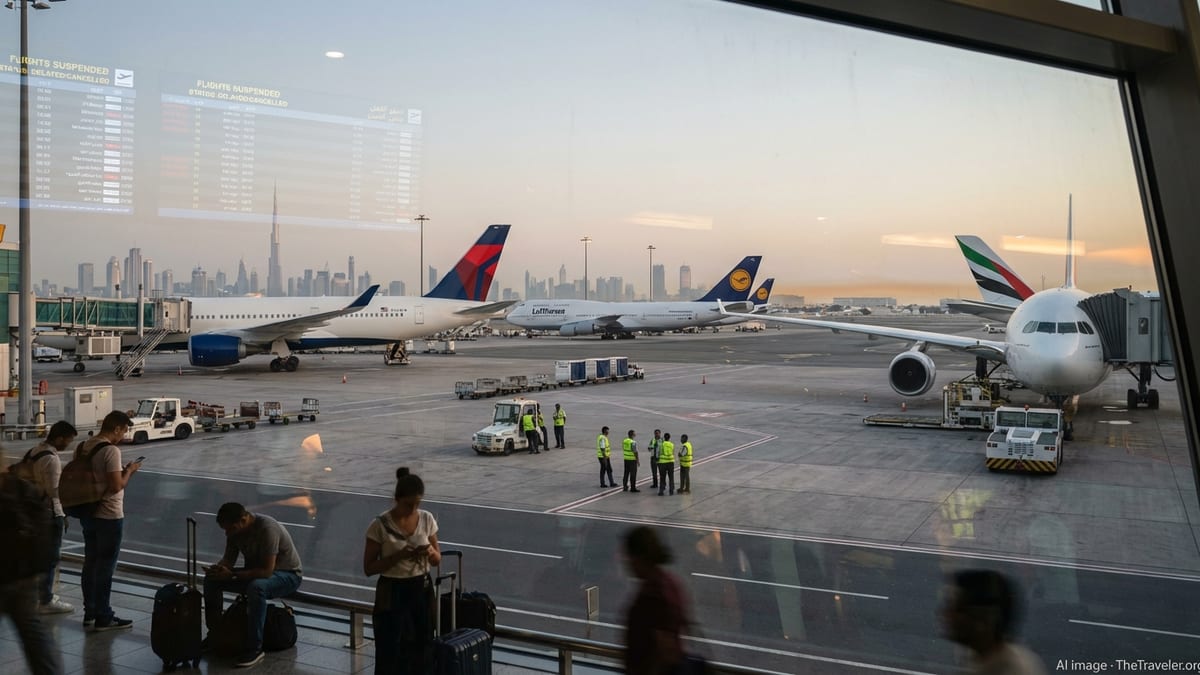
Widespread Delays From East Coast To West Coast
Publicly available tracking data indicates that the latest wave of disruptions is nationwide in scope, touching key airports from the Northeast to the West Coast and the Caribbean. Major hubs serving Pennsylvania and New York, along with San Juan in Puerto Rico, reported elevated numbers of late departures and arrivals, contributing to the tally of more than 1,600 delayed flights.
On the East Coast, large connecting airports have seen schedules bunch up as morning and midday departures pushed into later time slots, creating congestion throughout the day. According to aggregated aviation dashboards, delays have affected both short-haul and longer domestic routes, including heavily traveled corridors into and out of New York and Philadelphia.
The disruption figure of 57 cancellations is modest compared with the overall number of delayed operations, yet still represents thousands of travelers whose flights were removed from the schedule entirely. Those cancellations also feed additional delays as airlines work to rebook passengers and reset aircraft and crew rotations.
In San Juan, delay data shows pressure on flights linking Puerto Rico with mainland hubs, with late-running inbound services often translating into later departures for the next flight in the sequence. This pattern has contributed to a ripple effect that extends far beyond a single origin or destination.
Major Hubs In Los Angeles, Chicago, San Francisco And Seattle Feel The Strain
West Coast and Midwest gateways, including Los Angeles International, Chicago O Hare, San Francisco International and Seattle Tacoma, have been focal points in today s disruption picture. Real-time status boards for Los Angeles show a mix of on-time operations and late-running flights, illustrating how even a moderate increase in delays can quickly strain busy terminals and taxiways.
In Chicago, one of the nation s busiest connecting hubs, operational data frequently shows that even small schedule deviations can cascade into longer waits for passengers as inbound aircraft arrive late and outbound crews reach their next assignments behind schedule. Today s numbers fit that longer-term pattern, with a significant share of the 1,607 delayed flights touching or passing through Midwest hubs.
San Francisco and Seattle, both known for dense domestic and transcontinental schedules, have also reported elevated delay levels. Historical performance reports highlight that these airports are especially sensitive to traffic bottlenecks and weather-related constraints, and today s figures align with those broader trends, with schedule pressure visible across morning and afternoon waves of departures.
Because these hubs sit at the center of many airlines network structures, disruptions there tend to propagate quickly. Flights delayed arriving into San Francisco or Seattle often depart late for their next leg, potentially affecting cities hundreds or even thousands of miles away by evening.
American, Southwest, United, Delta And Republic Among Impacted Airlines
Data from flight tracking services shows that the disruption is spread across multiple airlines rather than concentrated on a single carrier. Large network airlines such as American, United and Delta, along with major domestic operators like Southwest and regional partner Republic, all have flights included within today s 1,607 delays and 57 cancellations.
These airlines operate extensive hub and spoke systems through airports such as Chicago O Hare, Los Angeles International, San Francisco International, New York area hubs and Seattle Tacoma. When schedules tighten at these key nodes, it becomes more difficult to keep aircraft and crew placements aligned with planned departure times, especially during peak travel periods.
Regional carriers and affiliate operators, including Republic, often bear a significant share of the operational burden because their aircraft feed larger hubs with frequent short-haul sectors. Even relatively minor schedule deviations on these routes can compound over the course of the day, creating missed connections and additional rebooking challenges for passengers.
Low-cost and leisure-focused airlines are also exposed to the current pattern of disruption, though to varying degrees depending on their network footprint. With delay and cancellation figures cutting across airline business models, travelers on a wide range of fares and itineraries have been affected.
Operational And Weather Factors Behind The Numbers
While full causation data for today s disruptions is not yet compiled, publicly available statistical reports on U.S. flight performance provide insight into the likely drivers behind elevated delays and modest cancellations. Historically, aviation regulators have attributed a significant share of late operations to a combination of airline controlled factors, national airspace constraints, late arriving aircraft and weather related impacts.
National analyses of on time performance show that air carrier issues such as maintenance requirements or crew availability routinely account for several percentage points of overall delays. National aviation system factors, including congestion in busy terminal areas or traffic management initiatives that slow departure rates, add further minutes to scheduled gate and runway times.
Extreme or rapidly changing weather conditions remain another consistent influence on performance statistics. When storms or low visibility affect one or more major hubs, departure and arrival rates are commonly reduced for safety reasons, in turn producing queues of aircraft on the ground and aloft. Even when today s weather appears manageable at certain airports, constraints elsewhere in the network can still translate into local delays through missed connections and retimed aircraft routings.
Recent industry wide assessments also point to structural challenges such as high load factors, tight turnaround schedules and limited slack in both fleet and staffing levels. Under these conditions, the system has less capacity to absorb irregular events, so a relatively small cluster of problems early in the day can evolve into widespread disruption by afternoon and evening.
What Travelers Can Expect As The Day Progresses
With more than 1,600 flights already delayed and dozens canceled, the remainder of the day is likely to remain challenging for many passengers across the United States. Travel pattern data suggests that once a disruption threshold is crossed, it can take many hours for airlines to restore normal spacing between flights, particularly at large connecting hubs that rely on tight arrival and departure banks.
Passengers with itineraries through Pennsylvania, New York, Los Angeles, Chicago, San Francisco, Seattle and San Juan may encounter longer than usual lines at check in, security and boarding as delayed flights overlap and crowds build in terminals. Published guidance from airports and airlines generally recommends that travelers monitor their flight status closely, use mobile or kiosk check in where possible and allow extra time to move through the airport on disrupted days.
Travelers on American, Southwest, United, Delta, Republic and other affected airlines can expect rolling schedule adjustments as carriers swap aircraft, reassign crews and attempt to consolidate lightly booked flights. Publicly available consumer guidance from regulators notes that rebooking options, meal vouchers or hotel accommodations may vary depending on the cause of the delay or cancellation and each airline s policies.
Industry performance reviews indicate that overall cancellation rates in the United States remain relatively low as a portion of total flights, but the cumulative effect of widespread delays can still be significant for individual passengers. Missed connections, late night arrivals and disrupted plans for ground transportation or lodging are all common outcomes when the national system experiences a day of disruption at the scale reported today.