


More news on this day
Flights between Saudi Arabia’s Abha International Airport and the UAE hubs of Dubai and Sharjah have been cancelled for a fourth consecutive day, extending disruption for travellers on one of southern Saudi Arabia’s key international routes.
Get the latest news straight to your inbox!
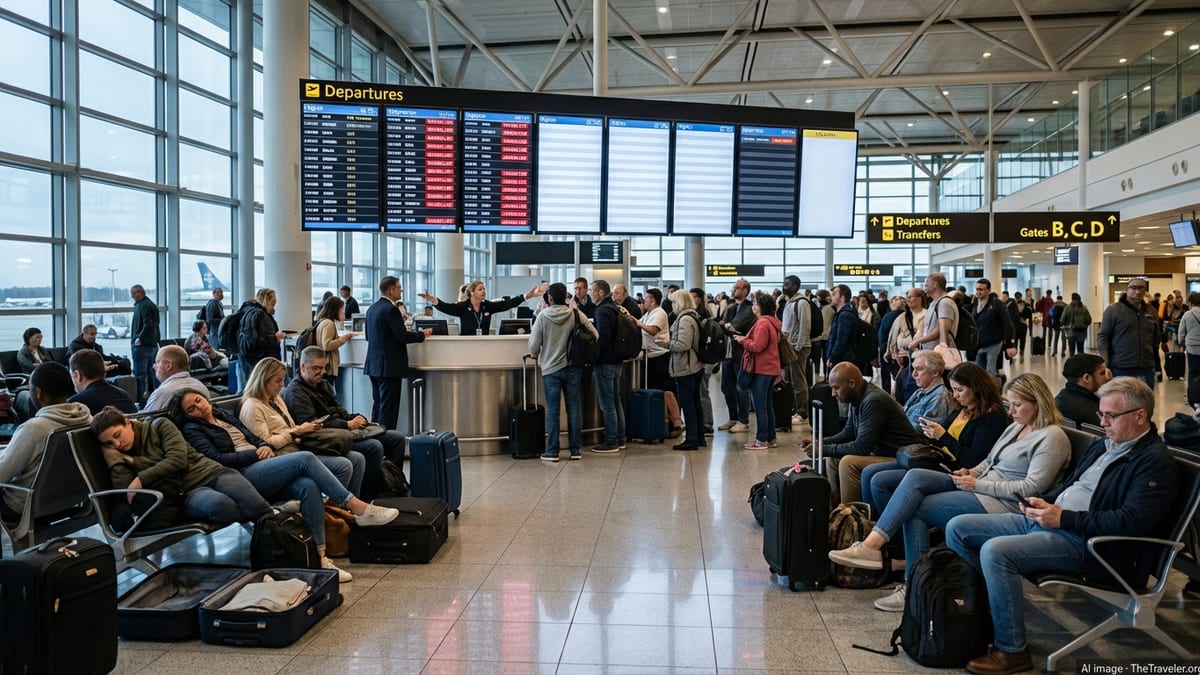
Fourth straight day of cancellations hits UAE links
Flight information published on Friday indicates that services from Abha to Dubai and Sharjah remain suspended, despite most domestic operations at the airport continuing. The ongoing cancellations mark the fourth day in a row of disruption on the Abha to UAE corridor.
Among the affected services are flydubai departures FZ816 and FZ812 to Dubai and Air Arabia’s G9 services between Abha and Sharjah. Schedules show these flights as cancelled, with no alternative departures operating on the same routes for the day.
The interruptions follow earlier days in the week when multiple international departures from Abha, including to Dubai and Sharjah, were removed from the schedule. Published coverage notes that at least eleven outbound flights were cancelled on one of the earlier days of disruption, including two to Dubai and one to Sharjah.
While some passengers have been able to rebook via other Saudi gateways such as Riyadh or Jeddah, those specifically booked on the Abha to UAE sectors are facing longer travel times, missed connections and uncertainty over when direct services will resume.
Security incident near Abha triggers wider travel ripple effects
The sustained disruption at Abha follows a missile and drone attack on or near the airport earlier in the week, reported by regional media as an escalation in long running tensions involving Yemen based Houthi forces. Publicly available information describes damage in the vicinity of the facility and a temporary shutdown of parts of its operations.
In the immediate aftermath, international flights were among the first to be taken off the board, with departures to the UAE, Egypt and other regional destinations cancelled or diverted. Domestic links to major Saudi cities, however, have been operating at a reduced but more stable level.
The attack has prompted updated travel advisories from countries including Canada, the United Kingdom and the United States, which now highlight risks in areas close to the Yemeni border and advise against non essential travel to those regions. Abha, located in the mountainous Asir province close to that frontier, falls within zones covered by these cautions.
For airlines, the priority has been to limit exposure of aircraft and passengers to potential further incidents while maintaining a basic level of connectivity. This has resulted in a patchwork of cancellations and partial resumptions that vary by route and carrier, with the Abha to UAE links remaining among the most heavily affected.
Airlines juggle schedules as regional disruption continues
Carriers serving Abha have been adjusting schedules day by day as the situation evolves. Flight listings show that while domestic departures to Riyadh, Jeddah and other Saudi cities are operating, some frequencies have been trimmed and timings adjusted to reflect operational constraints.
Internationally, the picture is more unsettled. Alongside the suspended flights to Dubai and Sharjah, services to Cairo and other regional destinations have seen intermittent cancellations. Industry trackers indicate that airlines are prioritising routes with strong onward connection demand while holding back on those judged more exposed to security or airspace concerns.
The disruption at Abha coincides with a broader period of volatility in Middle East aviation. In recent months, airports across the Gulf have faced interruptions linked to severe weather, regional tensions and temporary airspace restrictions, leading carriers to adopt more flexible scheduling and contingency planning.
For travellers, this has meant a greater likelihood of last minute changes, with some flights operating as planned while others are cancelled or rerouted within hours of departure. Passenger forums and social media posts from the region reflect widespread calls for clearer, earlier communication from airlines and airports when schedules are likely to be affected.
Impact on travellers from southern Saudi Arabia
The Abha to Dubai and Sharjah corridors are important gateways for residents of southern Saudi Arabia, offering connections to global networks via the UAE hubs. The four day suspension therefore reaches far beyond point to point traffic, affecting business travellers, residents returning from holidays and passengers connecting to long haul services.
Many travellers are reported to be rebooking through alternative Saudi airports, taking domestic flights or long road journeys to Riyadh, Jeddah or Dammam in order to access international departures. This adds time and cost to journeys and, in some cases, forces passengers to change airlines entirely.
Travel agents and booking platforms are seeing an uptick in demand for itineraries that bypass Abha altogether, at least in the short term. Tickets via other regional hubs, including Doha and Kuwait City, are among the options being considered by travellers who need certainty for upcoming trips.
For those already holding non refundable tickets originating in Abha, the process of securing refunds or free rebooking is varying by carrier and fare type. Some passengers are being offered travel credits or alternative dates, while others face additional charges to alter their plans, depending on airline policies.
What passengers should check before heading to the airport
Given the day by day nature of the situation, aviation updates from the region consistently advise passengers not to travel to Abha airport unless they have verified that their flight is operating and received up to date confirmation from their airline. Same day checks of flight status remain essential, as schedules can change within hours.
Travellers holding tickets on the cancelled Abha to Dubai and Sharjah flights are being encouraged, through airline statements and public advisories, to explore rebooking on alternative routes or dates. Some carriers have temporarily relaxed change fees or provided options to reroute via other Saudi or Gulf airports, subject to seat availability.
Passengers planning new trips from southern Saudi Arabia are also being advised to consider flexibility in their itineraries, such as booking fully changeable tickets, allowing longer connection windows, or routing via airports that currently show more stable operations.
With no publicly announced timeline yet for the full restoration of international services from Abha, observers expect airlines and travellers alike to continue relying on contingency plans in the coming days. The experience of the past week suggests that rapid shifts in operating conditions remain possible, keeping the focus on real time information and adaptable travel planning.