


More news on this day
easyJet passengers flying to and from the United Kingdom are being urged to prepare for possible disruption this summer as a combination of technical issues, volatile weather, jet fuel concerns and new border controls threatens to create delays, last minute schedule changes and urgent travel updates at some of the country’s busiest airports.
Get the latest news straight to your inbox!
Peak holiday season collides with fragile aviation operations
The warning comes during one of the busiest travel periods of the year, with easyJet preparing to carry tens of millions of passengers over the summer months across its network. Publicly available information from the airline indicates that it intends to operate a full schedule, but the wider operating environment around UK aviation remains fragile, particularly at London area airports that form the backbone of easyJet’s UK operation.
Recent weeks have highlighted how quickly disruption can escalate. Coverage of a technical weather data failure at the UK’s air traffic control provider, NATS, in early July restricted airspace capacity and triggered delays for hundreds of easyJet and other short haul flights at major hubs. Reports described widespread knock on impacts as aircraft and crews fell out of position, affecting later departures on the same day and into the following morning.
That incident followed earlier episodes of severe thunderstorms over south east England and parts of mainland Europe in late June, which led to hundreds of delayed and cancelled flights at London Gatwick and Heathrow. Media reports from that weekend described passengers stuck on grounded aircraft for several hours and evening schedules heavily curtailed as air traffic controllers were forced to slow the rate of arrivals and departures for safety reasons.
Industry observers note that easyJet, like many short haul carriers, runs tight turnarounds and high aircraft utilisation, meaning that even relatively short interruptions can ripple through the programme. During peak school holiday periods, when many flights are already close to full, options to rebook disrupted travellers on later services can be limited.
Jet fuel, border checks and new rules add to risk of delays
On top of weather and technical constraints, aviation analysts point to other emerging pressures that could affect easyJet passengers this summer. Government briefings on jet fuel supplies following disruption in the Strait of Hormuz have underlined that ministers and airlines are closely monitoring stocks and potential impacts on flight operations. While the majority of UK departures have continued to run, official analysis acknowledges an elevated risk of disruption if fuel deliveries are further constrained.
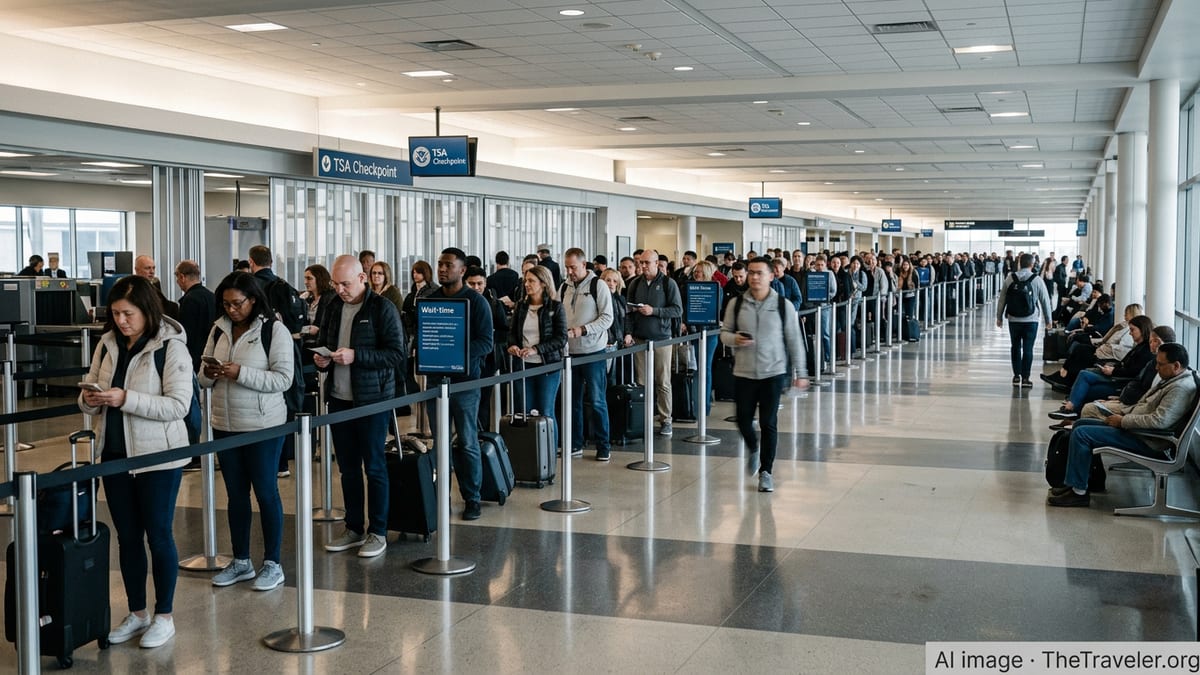
At the same time, UK and European border systems are under particular strain. This is the first main summer peak in which the European Union’s new Entry/Exit System is fully in operation at many popular holiday destinations. Television and press coverage in May highlighted easyJet’s own public criticism of long queues at some continental airports, with the carrier and rival airlines warning that extended passport processing times could cause passengers to miss departures and add to departure delays.
The UK Civil Aviation Authority has issued updated consumer travel advice for summer 2026, noting that while passengers benefit from strong legal protections, they should expect that factors such as geopolitical tensions, fuel supply issues and weather disruption may still lead to schedule changes. The regulator’s guidance encourages travellers to stay alert to airline communications and to be prepared for the possibility of re-routing or overnight stays if flights are significantly delayed or cancelled.
New entry requirements and operational changes at specific airports also play a role. easyJet’s latest travel information pages emphasise that from late March all of its flights at London Gatwick now operate exclusively from the North Terminal and that changing border rules in some destinations may affect processing times. Passengers are advised that flights cannot always wait for late arriving travellers, even when queues at security or passport control are longer than usual.
What easyJet passengers should expect at UK airports
For passengers, the practical impact of these overlapping pressures is a heightened risk of longer queues, gate changes and last minute timetable alterations at key UK airports such as Gatwick, Luton, Manchester, Bristol, Edinburgh and Glasgow. Observers report that even on days without headline grabbing events, late afternoon and evening departures can see knock on delays as the day’s schedule absorbs earlier minor disruptions.
Travel forums and social media posts from June and July describe a mix of experiences, from relatively smooth journeys to instances where travellers waited several hours in departure lounges or on board aircraft due to weather restrictions, air traffic capacity reductions or inbound aircraft arriving late. In some cases, easyJet flights were diverted to alternative airports when storm cells or congestion made it difficult to land at the planned destination, adding further complexity to the day’s flying programme.
According to publicly available guidance on easyJet’s own delays and cancellations pages, the airline states that it works to minimise disruption and, where necessary, can rebook passengers on later services or in some cases onto other airlines if it is unable to operate as planned. The carrier also outlines options for refunds and reimbursement of reasonable expenses when travellers make their own arrangements after significant disruption.
However, consumer advocates warn that passengers should not assume that every delay or cancellation will trigger compensation. Under the UK’s retained version of EU261 passenger rights rules, airlines are generally not required to pay compensation when disruption is caused by extraordinary circumstances such as severe weather, air traffic control restrictions or airspace closures. Given the current mix of thunderstorms, technical constraints and fuel related concerns, many recent incidents are likely to fall into that category.
Government and regulators seek to contain summer disruption
The UK government has taken steps to reduce the risk of large scale disruption during the school holiday season. In May, the Department for Transport set out plans aimed at protecting summer travel, including measures to give airlines more flexibility over how they use valuable take off and landing slots when faced with significant external shocks such as jet fuel shortages or international crises.
According to the government’s published material, the approach is intended to avoid a repeat of previous years in which airlines scheduled more flights than they could realistically operate, then cancelled services at short notice. By allowing some temporary leeway in slot rules, officials aim to encourage carriers to plan conservatively rather than risk overpromising capacity that later proves undeliverable.
The Civil Aviation Authority has also ramped up its public messaging, reminding travellers of their rights to care and assistance if they are stranded at airports or delayed overnight. The regulator’s latest advice stresses that airlines operating to and from the UK are expected to provide meals, refreshments and accommodation proportionate to the wait when flights are significantly delayed or when passengers choose to be rebooked following a cancellation.
Industry commentators observe that these interventions have so far helped to keep overall cancellation numbers relatively contained compared with some previous summers, even as individual weather and technical events have caused severe localised disruption. Nevertheless, with the busiest weeks of July and August still ahead, there is broad recognition that operational resilience will remain under intense pressure.
How travellers can prepare for a volatile summer of flying
Against this backdrop, travel experts are advising easyJet passengers to build extra flexibility into their plans wherever possible. Recommendations commonly include allowing more time at departure airports, particularly for early morning and peak weekend flights, and avoiding tight connections with onward trains, ferries or separately booked flights that could be missed if a service runs late.
Publicly available guidance from both the Civil Aviation Authority and consumer groups suggests that passengers should ensure their contact details are correctly stored in airline bookings so they can receive push notifications or texts about gate changes, delays or cancellations. Downloading the airline’s mobile app and monitoring the flight status on the day of travel are also widely regarded as important steps for staying informed.
Travellers are further encouraged to familiarise themselves with their rights under UK261, to keep receipts for any essential purchases made during disruption, and to consider travel insurance policies that specifically cover missed departures and additional accommodation costs. Given the current environment, specialists note that policies with more generous delay benefits may provide added reassurance, particularly for families heading abroad for once a year holidays.
With school breaks now under way across much of the UK and continental Europe, aviation analysts expect that easyJet’s network will continue to experience intermittent pressure throughout July and August. While many passengers will still complete their journeys with only minor inconvenience, the combination of weather volatility, constrained airspace, fuel uncertainties and new border processes means that those planning to fly in the coming weeks are being strongly encouraged to stay vigilant, stay flexible and be prepared for plans to change at short notice.