


More news on this day
The United States has updated its travel advisory for Saint Lucia, moving the fashionable Caribbean getaway to a higher caution level and prompting travelers to reassess upcoming winter-sun and summer holiday plans in the eastern Caribbean.
Get the latest news straight to your inbox!
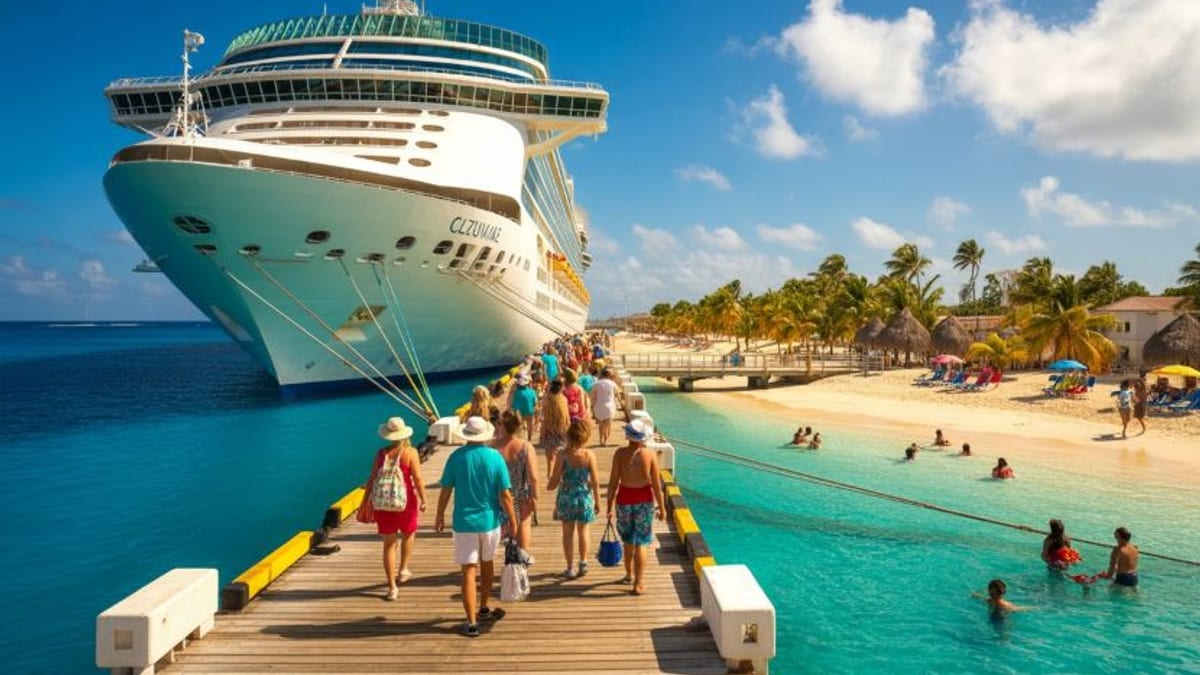
Saint Lucia Reclassified to Level 2 Advisory
According to publicly available information from the US Department of State, Saint Lucia’s overall advisory was revised on July 10, 2026, from Level 1, where travelers are advised to exercise normal precautions, to Level 2, which recommends exercising increased caution. The change places the island in the same broad risk category as several other high-traffic leisure destinations, including parts of Mexico and The Bahamas.
The update introduces a crime indicator to the advisory for the first time, reflecting a reassessment of security conditions on the island rather than a blanket warning against travel. The advisory continues to permit tourism, but signals that visitors should be more deliberate about planning where they stay, how they move around, and what activities they choose, particularly at night.
Saint Lucia has long marketed itself as a premium, low-key Caribbean escape, known for its Piton peaks, luxury hillside resorts and honeymoon-friendly beaches. The revised advisory underscores that even destinations with a reputation for exclusivity and seclusion are subject to evolving risk profiles as local crime patterns, tourism flows and regional dynamics shift.
There is no indication that the advisory change is tied to a single, high-profile incident. Instead, it appears to be part of a broader periodic review of country conditions across the Caribbean, where a number of islands have seen fluctuating advisory levels in recent years.
Crime Concerns and What the Advisory Highlights
The current Saint Lucia advisory points to concerns about crime, including incidents that can affect visitors in urban areas and nightlife districts. While the overall level remains well below the “Do Not Travel” threshold applied to the most volatile destinations worldwide, the Level 2 label signals that offenses such as robberies, opportunistic theft and, in some instances, violent incidents are important considerations for travelers.
Publicly available coverage of regional security trends indicates that property crime, armed robberies and confrontations linked to drugs or local disputes have affected a number of Caribbean islands that once carried uniformly low-risk reputations. In the case of Saint Lucia, the US advisory emphasizes the importance of staying aware of surroundings, avoiding isolated areas after dark, and securing valuables both at accommodations and in transit.
Travel and risk analysts note that advisory levels can vary within a single country. Tourist corridors, resort zones and cruise terminals may feature increased security and higher police visibility, while certain neighborhoods away from major visitor hubs may see more frequent criminal activity. For travelers, the key shift marked by the Saint Lucia update is not that the island has suddenly become unsafe, but that it now requires a more intentional approach to basic safety steps that might previously have been taken for granted.
The advisory also serves as a reminder that crime affecting locals can have knock-on effects for visitors. Rising pressures on law enforcement resources, economic stress and shifts in regional trafficking routes can all influence the risk environment, even in places that rely heavily on tourism and strive to protect their image as peaceful retreats.
Tourism Industry Responds as Peak Seasons Approach
Saint Lucia’s tourism industry is heading into key booking windows for late 2026 and early 2027, including the popular northern winter period for North American and European visitors. Industry observers say the advisory change is unlikely to trigger mass cancellations, but it may prompt potential visitors to compare islands more closely and to scrutinize booking terms, insurance coverage and on-the-ground safety information before committing to high-priced trips.
Travel trade publications and destination specialists are beginning to frame the updated advisory in context, noting that Level 2 is still compatible with leisure travel, business visits and cruise calls. Tour operators and hoteliers are expected to highlight security measures at major resorts, organized excursions and private transfers, while encouraging guests to follow common-sense precautions when exploring towns or attending events away from their accommodation.
Some Caribbean-focused analysts point out that advisory shifts can have uneven impacts across an island. Luxury resorts with strong brand recognition and longstanding repeat clientele may see relatively little change in demand, while smaller guesthouses and independent tour operators could face more questions from first-time visitors who are working through the implications of the new guidance.
For Saint Lucia’s broader tourism-dependent economy, which spans accommodation, transport, food and beverage, and local crafts and services, the challenge will be maintaining traveler confidence while addressing the underlying security issues that contributed to the reclassification.
Balancing Safety, Perception and Caribbean Travel Demand
The update for Saint Lucia comes at a time when multiple Caribbean destinations are navigating complex conversations around safety. According to recent regional roundups, the United States currently assigns a mix of advisory levels across the Caribbean, from Level 1 for islands considered relatively low risk to higher levels for territories grappling with severe crime or instability. Many of the region’s most visited islands, however, fall in the Level 2 band, which encourages increased caution rather than discouraging travel outright.
Analysts note that perceptions of safety often lag behind or race ahead of official advisories, driven by viral social media posts and occasional headline-grabbing incidents. For destinations like Saint Lucia, the task is twofold: to address the real security concerns raised by international partners and local communities, and to ensure that travelers receive balanced, accurate information about where risks are concentrated and how they can be mitigated.
Travelers are increasingly sophisticated consumers of safety information, comparing advisories from different governments and consulting independent risk assessments. In this environment, a Level 2 label does not automatically deter visitors, but it can influence their choice of neighborhood, type of accommodation and local transport options. It can also lead to greater interest in private tours, vetted drivers and resort-based activities, which may shift how tourism revenue is distributed on the island.
Regional tourism organizations have emphasized in recent commentary that the Caribbean should not be viewed as a monolith. Even within a single country, resort-lined bays, cruise terminals and rural villages can present very different risk profiles. The Saint Lucia advisory aligns with that perspective by urging travelers to stay informed, plan routes in advance and remain attentive to local advice about areas to avoid.
Practical Guidance for Travelers Considering Saint Lucia
For travelers who already have bookings in Saint Lucia or are considering the island for an upcoming holiday, the revised advisory points toward a set of practical steps rather than a wholesale change of plans. Travel experts recommend reviewing the latest government guidance shortly before departure, registering trip details with consular services when possible, and confirming that travel insurance covers medical care, trip interruptions and emergency evacuation.
On the ground, widely shared best practices include using licensed taxis or pre-arranged transfers, limiting the display of high-value items such as jewelry or expensive electronics, and relying on secure payment methods. Visitors are also encouraged to ask accommodations about room safes, security staff and recommended routes to nearby beaches, restaurants and attractions.
For those weighing different Caribbean options, Saint Lucia’s new status at Level 2 places it in the same broad risk band as many of its competitors, rather than singling it out as an outlier. Travelers who prioritize boutique properties, hiking, sailing and wellness experiences may still find the island an attractive choice, provided they are comfortable incorporating the advisory’s recommendations into their plans.
The advisory will continue to be reviewed and may change again as conditions evolve. For now, Saint Lucia remains open to visitors, with an added emphasis on informed decision-making, situational awareness and collaboration between travelers, local communities and the tourism sector to keep one of the region’s most scenic islands both welcoming and safe.