


More news on this day
An unusually strong mid-April heatwave is pushing temperatures toward or above 90 degrees across a swath of the eastern United States, with New York City joining Washington, Atlanta, Philadelphia, Baltimore, Columbus and Raleigh in facing conditions more typical of early summer than spring.
Get the latest news straight to your inbox!
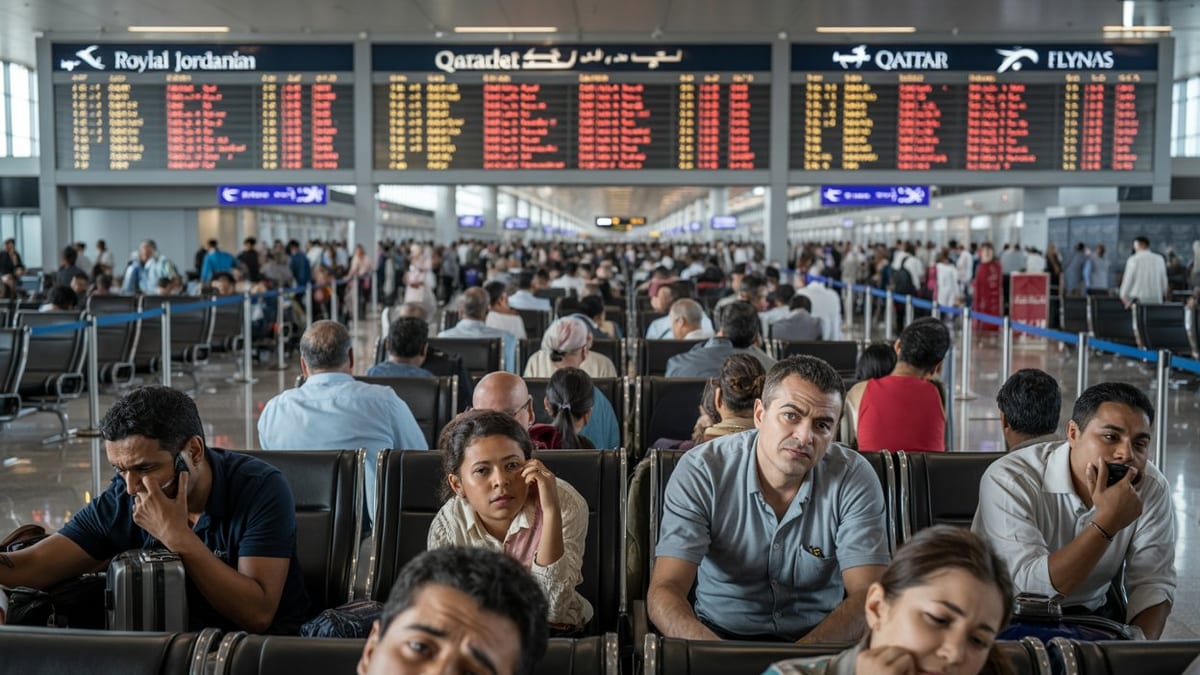
Summerlike Heat Grips the I‑95 Corridor
Publicly available forecasts indicate that New York City could reach the upper 80s on Wednesday, April 15, challenging an April daily record from the early 1940s. Similar projections for Philadelphia, Washington and Baltimore show temperatures near or above 90 degrees, levels that more closely resemble June or July than mid-April averages.
Meteorologists describe the event as an early season heatwave affecting tens of millions along the Interstate 95 corridor and well into the interior. Weather modeling highlighted by national outlets shows a broad dome of high pressure stretching from the Deep South into the Mid-Atlantic and Northeast, concentrating the most intense heat from metropolitan Washington to New York.
In Atlanta and Raleigh, daytime highs are also expected to surge into the upper 80s, roughly 15 to 20 degrees above seasonal norms. For travelers and residents alike, the result is a sudden and pronounced shift from the lingering memory of late winter storms to midsummer-style warmth, with some locations recording their first 90 degree readings of 2026.
Farther west, cities such as Columbus are forecast to experience widespread 80s, adding to the regional extent of the warm spell. The combination of urban heat, clear skies and light winds is helping to push actual temperatures and real-world comfort levels even higher in central city neighborhoods and busy transportation hubs.
Records Poised to Fall Across Multiple Cities
According to coverage from national weather services and major news organizations, more than 150 daily records across the Eastern United States are at risk over a several day stretch. In New York City, the projected high is within a degree of the standing daily record, while Philadelphia, Baltimore and Washington are all in range of long standing April benchmarks.
Atlanta and Raleigh are also expected to come close to, or exceed, previous highs for this point in the month. These records date back several decades in some cases, underscoring how unusual it is to see such widespread, sustained warmth so early in the season.
Climatological summaries show that typical mid-April highs in these cities run from the upper 50s and 60s in the Northeast to the low and mid 70s in the Mid-Atlantic and Southeast. The current heatwave is projected to exceed those averages by a large margin, with some locations running more than 20 degrees above normal at midweek.
While isolated hot April days are not unprecedented, the breadth and persistence of this warm spell distinguish it from many past events. Forecasters note that the high pressure system responsible has been slow moving, allowing heat to build day after day and increasing the potential for records to be tied or broken in multiple locations on consecutive days.
Travelers Confront Early Season Heat Risks
Travel advisories and weather briefings issued for major transport hubs along the East Coast emphasize the potential for heat related impacts that are more common in midsummer. Publicly available guidance encourages travelers to plan for higher demand on air conditioning in vehicles, terminals and hotels as temperatures climb through the afternoon hours.
Air travel operations are not expected to face the kind of widespread disruption associated with winter storms, but hot conditions can create pockets of turbulence, air quality challenges around congested airports and added strain on ground crews working on tarmacs. Rail passengers in cities such as Washington, Baltimore, Philadelphia and New York may also notice warmer than usual platforms and carriages during peak daylight hours.
Road travelers heading into or out of cities such as Atlanta, Raleigh and Columbus may contend with heat shimmering on highways and heavier usage of rest areas and service plazas as motorists seek shade and hydration. Transportation agencies have issued seasonal reminders about the dangers of leaving people or pets unattended in vehicles, even in what is traditionally considered a spring month.
For visitors exploring iconic urban attractions, from the National Mall in Washington to parks and waterfronts in New York and Philadelphia, the heatwave may require itinerary adjustments. Tourism bureaus and local media highlight basic hot weather strategies, including frequent breaks indoors, lighter clothing and careful planning of outdoor activities during cooler morning and evening periods.
Climate Context for an Unusual April Heatwave
Climatologists interviewed in recent coverage connect the current event to a broader pattern of increasingly frequent and intense heatwaves in the United States. Long term datasets compiled by federal climate agencies show that the number of unusually hot days has risen over recent decades, while record high temperatures are being set more often than record lows.
Studies examining early season heat events indicate that spring is warming faster than some other times of year in portions of the Mid-Atlantic and Northeast. The current stretch of summerlike conditions follows a sequence of recent extremes, including severe winter storms and earlier warm spells in March that also challenged historical norms across wide areas of the country.
Experts note that these swings between intense cold and intense heat are consistent with expectations for a warming climate influenced by human activities. Warmer baseline temperatures mean that when the atmospheric pattern aligns to favor warmth, as it has this week, records are more easily broken and heatwaves can emerge earlier in the calendar year.
At the same time, researchers caution that individual events should be understood within the context of underlying trends rather than viewed in isolation. The current heatwave is part of a growing body of weather extremes that are reshaping perceptions of what constitutes a typical spring along the Eastern Seaboard.
What Comes Next for Temperatures and Travel
Forecasts suggest that the most intense heat will peak between Wednesday and Thursday before a gradual moderation sets in across some coastal areas as onshore breezes develop. New York City and nearby shoreline communities may see temperatures ease back closer to seasonal norms first, while inland locations from Philadelphia to Raleigh remain warm a bit longer.
Short term model guidance shared by national forecast centers indicates that, although the heat will relax somewhat, above average temperatures are likely to persist into the weekend for a large swath of the East. For travelers, that means continued spring trips that feel like midsummer, with outdoor festivals, sporting events and city tours unfolding under strong sun and elevated humidity.
Travel planners recommend monitoring local forecasts frequently, as small shifts in the position of the high pressure system can significantly influence day to day temperatures in coastal cities such as New York and Boston compared with inland corridors like the Piedmont and Ohio Valley. Travelers with flexibility may opt for earlier starts or later evening activities to avoid the hottest part of the day.
As the heatwave unfolds, the contrast between calendar and climate is stark. On paper, the region remains in the heart of spring, yet thermometers from New York City to Atlanta are telling a different story, setting the stage for what could be a long, hot warm season ahead.