


More news on this day
North Korea is using a planned North Korea Tourism Expo 2026 in Pyongyang to signal a carefully managed reopening to Chinese visitors, aligning new transport links and resort projects with a broader push to revive its pre-pandemic tourism lifeline.
Get the latest news straight to your inbox!
Expo Concept Emerges Amid Gradual Transport Reconnection
Publicly available information from Chinese and specialist tour operators indicates that plans for a North Korea Tourism Expo 2026 in Pyongyang are emerging against the backdrop of a cautious reopening of cross-border links. The proposed event, framed as a showcase for destinations such as the capital, the Wonsan Kalma coastal zone and the Rason special economic zone, is expected to target Chinese travel agencies and tourism investors rather than mass-market holidaymakers.
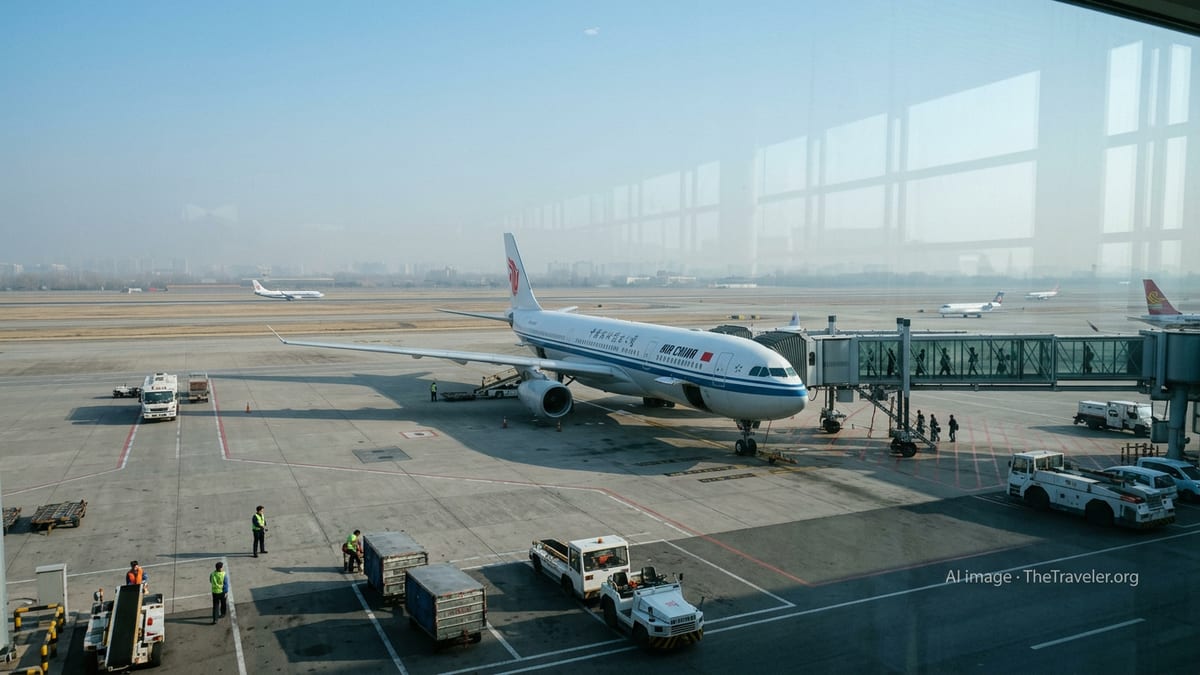
China has recently resumed passenger train services between Beijing and Pyongyang, along with daily trains from the border hub of Dandong, restoring a key route that had been suspended since early 2020. Around the same time, Air China restarted direct flights from Beijing to Pyongyang after a six year hiatus, complementing services run by North Korea’s Air Koryo. These developments have revived a basic transport corridor that would be essential for any large scale tourism showcase in the North Korean capital.
Industry updates note that while these connections remain limited in frequency, their timing coincides with intensified diplomatic engagement between Beijing and Pyongyang. Reports on recent high level visits and party congress meetings in the North Korean capital describe a renewed emphasis on economic recovery and external trade, with tourism repeatedly cited by analysts as one of the few sectors able to generate quick foreign currency inflows.
The proposed expo is being interpreted by regional observers as an attempt to leverage this new connectivity. By inviting Chinese operators and related businesses to Pyongyang under an organized, tightly controlled format, North Korean planners appear to be testing the waters for a phased revival of the market that once supplied the overwhelming majority of foreign visitors.
Chinese Travelers Remain Central to Pyongyang’s Tourism Calculus
Before the pandemic, Chinese nationals accounted for an estimated four fifths or more of all foreign tourists visiting North Korea, according to data compiled by Chinese media and tour industry sources. Border cities such as Dandong thrived on short package trips to Sinuiju and beyond, while Chinese tour groups formed the bulk of participants in annual events like the Pyongyang Marathon.
Specialist travel companies based in Beijing and elsewhere in China now report a surge of interest in potential 2026 departures, including itineraries that reference a tourism expo in Pyongyang as a focal point. Some agencies are advertising provisional packages that combine expo access with visits to showcase projects such as the Wonsan Kalma Coastal Tourist Area, although they emphasize that final confirmation still depends on North Korean approvals.
Analysts of China North Korea relations point out that a controlled reopening to Chinese tourists would fit Pyongyang’s longstanding preference for dealing first with its closest political and economic partner. Chinese visitors are seen as more predictable in terms of language, customs and political sensitivities, and package tours can be organized through a small number of licensed agencies that interface closely with North Korean authorities.
At the same time, reports from tour operators and academic observers caution that expectations in the Chinese market are higher than before the border closures. After several years of rapid development of domestic destinations and competing international options, convincing Chinese travelers to return to North Korea may require more flexible itineraries, upgraded infrastructure and greater transparency on health and safety conditions.
New Resorts and Marathon Tourism Shape the 2026 Offer
The tourism infrastructure North Korea is preparing to showcase in 2026 is markedly different from the pre pandemic era. One of the flagships is the Wonsan Kalma Coastal Tourist Area on the country’s east coast, a vast beach resort complex featuring multiple hotels and leisure facilities. The project was formally inaugurated in mid 2025 and has already hosted Russian tour groups under limited arrangements, according to Russian media and tour company statements.
Chinese state and commercial outlets have highlighted Wonsan Kalma in travel themed calendars and promotional materials that depict sun loungers, seafront promenades and new tram services. The resort has also been a frequent destination for visiting foreign delegations, including Chinese representatives, signaling its role as a central exhibit in any 2026 tourism showcase.
Pyongyang is also leaning on sports tourism to anchor its reopening narrative. Travel agencies that specialize in the country continue to promote the Pyongyang International Marathon, with the 2026 edition scheduled for early April. Tours for amateur runners have reportedly sold out through several agencies, reflecting pent up demand among a niche but loyal segment of travelers who have previously used the race as a rare way to experience the city.
The proposed North Korea Tourism Expo 2026 appears designed to knit these strands together. Exhibition programming is expected to highlight beach tourism at Wonsan, cultural and political landmarks in Pyongyang and niche activities such as marathon trips and visits to newly built museums. For Chinese agents and investors, the event would provide an opportunity to assess whether North Korea’s product has evolved enough to justify new offerings after years of forced inactivity.
Uncertain Policy Signals Temper Industry Optimism
Despite the upbeat messaging around transport resumptions and resort openings, the broader policy environment remains fluid. Several attempts to restart limited foreign tourism since 2024 have been abruptly scaled back, including a brief reopening of the northeastern Rason region to international visitors that was later suspended. Travel industry updates and academic commentary describe these reversals as evidence of internal caution in Pyongyang about the pace of reopening.
As of early March 2026, specialist agencies tracking the situation report that North Korea is still officially closed to most international tourists, with the notable exception of structured tours from Russia. Many of the 2026 packages now being advertised to Chinese customers are explicitly labeled as tentative, with clear disclaimers that dates, routes and even eligibility criteria could change at short notice.
Analysts also emphasize the role of international sanctions and security concerns in shaping tourism policy. While the sector is technically allowed under most sanctions regimes, ongoing tensions over North Korea’s weapons programs discourage large scale investment and raise compliance questions for foreign companies. Chinese travel agencies, in particular, must navigate both domestic regulatory requirements and the reputational risks of marketing holidays to a heavily sanctioned state.
This uncertainty feeds into mixed sentiment in the tourism trade. Some operators see the tourism expo concept and the restoration of trains and flights as clear stepping stones toward a broader reopening to Chinese visitors. Others warn that without formal, detailed policy announcements from Pyongyang, any planning for large scale 2026 operations remains speculative and vulnerable to abrupt policy shifts.
What a Strategic Reopening Could Mean for Regional Travel
If the North Korea Tourism Expo 2026 proceeds as envisioned and leads to a genuine reopening to Chinese visitors, the ripple effects across the regional travel industry could be significant. Border cities in northeastern China that once depended heavily on short haul tours to North Korea could see a revival in hotel occupancy, bus services and retail spending linked to cross border tourism.
For North Korea, a successful calibrated reopening would offer a rare injection of foreign currency at a time when trade remains constrained and domestic economic challenges are acute. Tourism receipts from mid range Chinese package tours were a meaningful, if modest, revenue stream before 2020, and new resort infrastructure suggests the leadership is intent on expanding that channel.
However, regional observers note that the benchmark for success has shifted. Competing destinations in Northeast Asia and Southeast Asia have invested heavily in digital marketing, service quality and flexible visa policies during and after the pandemic. To attract Chinese travelers who now have more choices than ever, North Korea may need to move beyond large scale construction projects and demonstrate improvements in visitor experience, reliability and communication.
For now, the tourism expo remains a symbol of intent rather than a guaranteed turning point. The coming months will test whether Pyongyang is prepared to convert new trains, flights and resort ribbon cuttings into a sustained, transparent framework for Chinese tourism, or whether the 2026 calendar will join a growing list of postponed or scaled back reopening attempts.