


More news on this day
Emirates is developing a new travel insurance-style guarantee that would ensure passengers can get home, even if it means the airline pays for seats on competitors, as the Dubai-based carrier seeks to reassure travelers unsettled by recent disruption and regional tensions.
Get the latest news straight to your inbox!
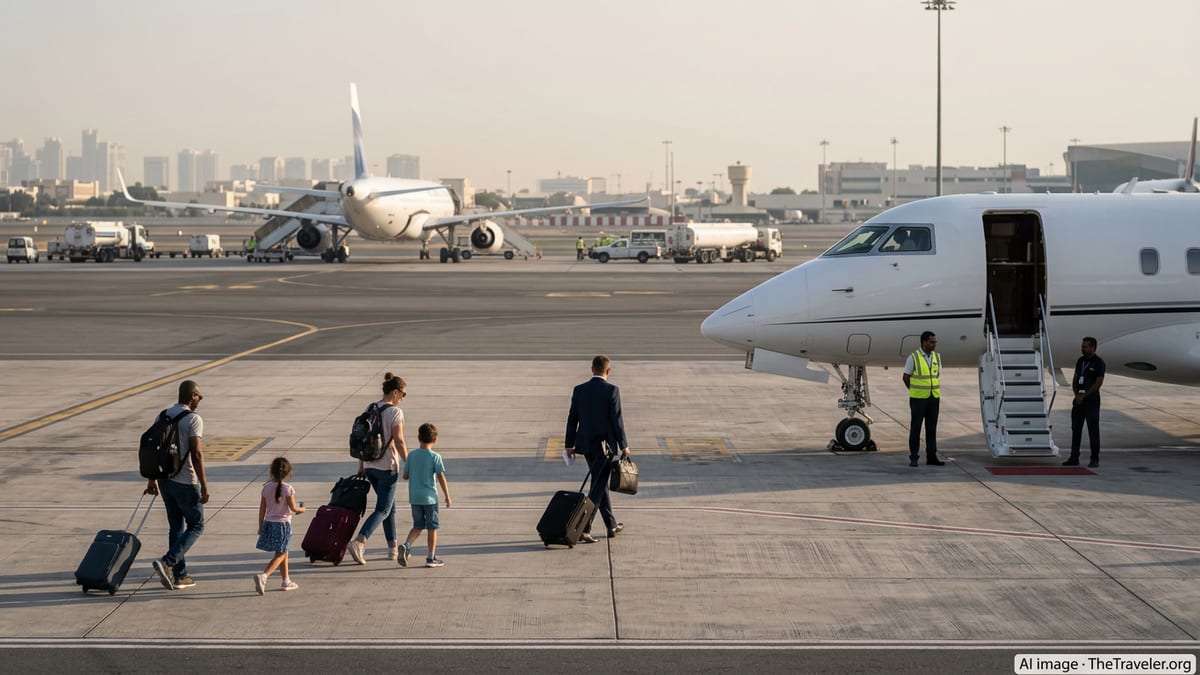
New guarantee aims to cover disrupted journeys
Recent reports indicate that Emirates is working on an insurance-backed guarantee promising that passengers will be able to complete their journeys home, regardless of whether the final leg is on its own aircraft or on another carrier. Early indications suggest the proposal is designed to give travelers clearer assurances at a time when airspace closures, weather events and conflict-related warnings have periodically complicated connections through major hubs.
According to published coverage of the plan, the guarantee would be embedded in an insurance product that activates if passengers are stranded due to circumstances outside their control. The concept goes a step beyond traditional trip protection, which typically reimburses certain expenses after the fact, by committing to arrange transportation to the passenger’s final destination.
Emirates has not yet released detailed terms or a launch date, but public comments from company leadership point to an intention to formalize what has, in many disruption cases, been handled through ad hoc rebookings and one-off arrangements. Framing this support as a structured insurance cover is expected to make the promise more transparent and easier for travelers to understand at the time of booking.
The move follows a challenging period for Gulf hub operations, when severe weather and airspace restrictions left many travelers stranded far from home and raised questions about how quickly large carriers could reroute passengers. Industry observers say the proposal appears aimed at rebuilding confidence among long-haul customers who rely on Dubai as a key transfer point between Europe, Asia, Africa and Australasia.
How the proposed insurance cover would work
While full policy documentation has not yet been made public, reports suggest the concept is to wrap a "get you home" commitment into an insurance structure rather than leaving it entirely to standard airline contracts of carriage. In practice, this would likely involve the carrier or its insurance partner taking responsibility for sourcing seats on alternative flights when Emirates has no viable option within a reasonable time frame.
Industry analysts note that some existing travel insurance products already reimburse additional travel expenses required to reach home after a covered disruption, but they usually require passengers to purchase separate cover and then submit claims for reimbursement. By contrast, the Emirates initiative appears focused on operational support: arranging the transport itself, potentially on rival airlines, and absorbing the associated cost under the insurance program.
Key questions still to be clarified include whether the protection will apply automatically to all tickets, only to certain fare classes, or as an optional add-on at booking. It is also unclear how the policy will define events that trigger eligibility, how quickly the airline must act to secure alternatives, and whether there will be caps on the value of replacement travel.
Travel industry specialists point out that the fine print will matter for consumers. Factors such as how the policy treats government advisories, long-lasting airspace closures, or passenger-initiated itinerary changes could determine how often travelers can rely on the guarantee in real-world scenarios.
Positioning amid intense competition for long-haul travelers
The planned guarantee comes as global carriers compete aggressively for long-haul passengers who often have multiple one-stop options between major regions. Emirates, Qatar Airways and other hub airlines have increasingly focused on differentiating themselves through service promises, disruption handling and ancillary protections, rather than price alone.
Publicly available information about the proposal suggests that Emirates wants to highlight reliability and peace of mind as central selling points. By pledging to get passengers home even if it means booking them on competing airlines, the company is signaling confidence in its network resilience and its willingness to prioritize completion of the journey over keeping all travel on its own metal.
Travel strategists say this approach could resonate with frequent flyers who have experienced complex disruption, particularly on itineraries involving multiple connections or long layovers. A clearly articulated guarantee may also appeal to corporate travel managers tasked with minimizing the risk of employees being stranded overseas, especially in regions affected by sudden policy changes or security alerts.
The initiative also reflects a broader trend of airlines experimenting with more robust passenger care policies in response to public scrutiny after major disruption events. Several carriers have expanded hotel, meal and rebooking support in specific markets; Emirates appears to be going further by adding an insurance layer designed to directly address the core concern of getting home.
Implications for travel insurance and passenger rights
The Emirates plan arrives at a time when travelers are paying closer attention to both airline commitments and their own insurance coverage. Traditional standalone travel insurance policies commonly cover emergency medical care, evacuation and some additional expenses to return home after a serious incident, but they vary widely by provider and by destination.
Industry comparisons show that most airline-linked insurance products focus on trip cancellation, delays, baggage issues and medical emergencies. A formal guarantee that the airline will arrange and fund transportation home, including on another carrier, would mark a notable extension of what passengers typically expect from such products, especially when disruptions stem from geopolitical events or widespread operational challenges.
Consumer advocates note that any new guarantee will sit alongside existing passenger protection rules, which differ by region. In some jurisdictions, carriers must already provide rerouting or refunds in cases of significant delay or cancellation, while in others the legal baseline is less generous and travelers rely more heavily on private insurance or credit card protections.
If Emirates proceeds as signaled and the product proves popular, observers say it could encourage rival airlines to develop similar guarantees or expand their own disruption coverage. That, in turn, could gradually reset expectations of what long-haul carriers owe customers when flights do not go as planned.
What travelers should watch for next
For now, passengers will need to wait for Emirates to publish specific policy wording to understand exactly how the new insurance-backed guarantee will work in practice. Key details likely to draw attention include whether the cover is automatic for all tickets, how it interacts with existing airline obligations, and whether there are exclusions related to travel advisories or previously known risks.
Travel planning specialists advise that, once the product is launched, passengers should review both the airline’s conditions of carriage and any insurance documentation before assuming they are fully protected. They also suggest comparing Emirates’ offer with separate travel insurance policies, which may provide broader coverage in areas such as medical care or nonrefundable trip costs, but may not include the same operational commitment to physically getting passengers home.
In the meantime, the proposal signals that Emirates is responding to traveler concerns that emerged during recent disruption episodes affecting flights through Dubai and surrounding airspace. By moving toward an explicit promise to deliver passengers to their final destination, even when that requires turning to rival carriers, the airline is positioning itself as an early mover in a potential new phase of passenger protection.
Whether the guarantee ultimately becomes a template for the industry or remains a distinctive feature of Emirates’ offering will depend on how it is implemented, how often it is invoked and how travelers respond once it becomes part of the booking decision.