


More news on this day
Emirates is moving to plug a widening protection gap for passengers caught in the crosshairs of geopolitical tensions, exploring a new insurance shield designed to cover travel to and through Dubai as conventional policies retreat from war linked risks.
Get the latest news straight to your inbox!
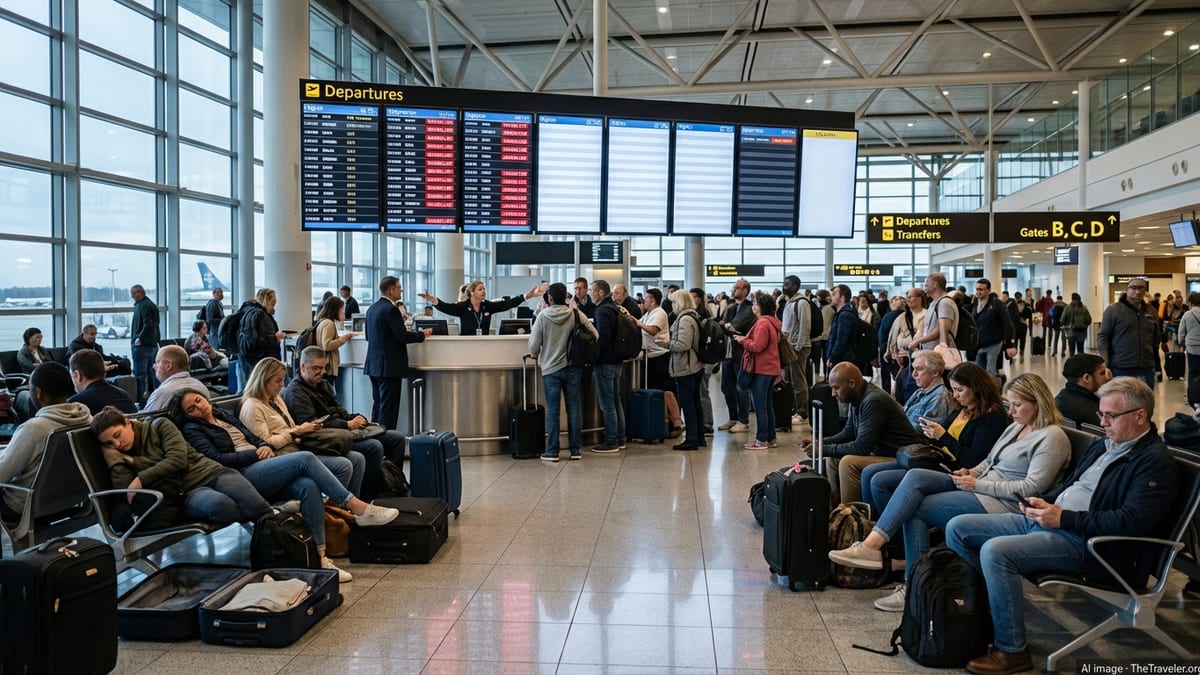
Emirates Responds to a Growing Protection Gap
Publicly available industry coverage indicates that standard travel insurance has struggled to keep pace with fast shifting conflicts, particularly across the Middle East, where airspace closures and elevated government advisories have disrupted flight paths and schedules. Many mainstream policies exclude war, invasion, civil unrest, and related security events, leaving travelers exposed when trips are cancelled, rerouted, or extended because of geopolitical shocks.
Against that backdrop, Emirates has begun working with insurers on a bespoke travel insurance solution targeted at customers flying to or connecting through Dubai. Recent specialist aviation and travel trade reports describe the concept as a tailored product intended to restore protection where traditional underwriters have pulled back from war related risk on certain Gulf bound itineraries.
The initiative builds on Emirates’ earlier experiments with embedded coverage. During the pandemic and in the years that followed, the airline offered complimentary multi risk insurance with tickets, including medical and disruption benefits that went beyond many basic policies. That experience has given the carrier a template for using insurance as a commercial tool, both to reassure customers and to stabilize bookings during periods of uncertainty.
Current industry analysis suggests the new protection would be offered on an optional, paid basis rather than bundled for free, reflecting the higher and more complex costs of underwriting conflict adjacent routes in 2026.
War Exclusions Collide with Middle East Flight Disruptions
Recent conflicts and airspace restrictions in the wider Gulf have exposed how sharply travel insurance contracts distinguish between routine operational issues and events deemed linked to war or similar hostilities. Consumer advice outlets and insurance guides published in 2026 highlight that many claims for cancelled flights, extended hotel stays, or missed connections have been rejected where insurers judged the root cause to be war or civil unrest rather than a standard technical or weather disruption.
Reports focused on travelers heading to Dubai and nearby hubs note that policies purchased after government advisories were raised often provide no compensation if a traveler decides not to go, or if flights are later suspended for security reasons. Even when passengers can secure ticket refunds or waivers from airlines, additional losses such as non refundable accommodation or tours frequently fall outside policy wording.
Specialist commentary from the UAE insurance market adds that, while medical emergencies unrelated to conflict may still be covered while a traveler is abroad, any injury or illness directly linked to acts of war, terrorism, or riots is commonly excluded. That leaves a narrow channel of protection at a time when uncertainty around air routes and transit hubs has become a key concern for international passengers.
In this environment, Emirates’ move to design a more expansive shield is being interpreted by analysts as both a commercial response to nervous demand and a test case for how far airlines can go in filling gaps left by traditional travel insurance.
A Bespoke Shield for Dubai Bound and Transit Passengers
According to recent aviation industry reporting, the planned Emirates package would be structured in partnership with global insurers to address specific exposures that have emerged around Dubai itineraries. The focus is understood to include coverage where current market offerings are either unavailable or heavily restricted once official advisories against non essential travel are in place.
Specialist briefings describe early discussions around protections for trip cancellation, curtailment, or extended stays triggered by sudden airspace closures, route suspensions, or regulatory changes linked to regional tensions. There is also industry speculation that limited evacuation or assisted departure benefits could be considered, although these features tend to be expensive to underwrite and tightly defined.
Analysts note that any Emirates backed product would have to navigate the same reinsurance and capital constraints facing the wider insurance sector, which has become more cautious about war linked liabilities. For that reason, expectations center on a highly specific design, ring fenced to certain routes, dates, or advisory thresholds rather than a blanket global guarantee.
Market observers also point out that Emirates has a commercial incentive to ensure that travelers can still obtain meaningful cover for Dubai connections, as the city’s role as a long haul transfer hub depends on confidence that journeys will not leave passengers stranded without financial protection.
What the Move Signals for Travelers and Regulators
Industry commentary suggests that Emirates’ strategy could set a template for other major carriers operating in volatile regions. If the new coverage gains traction with passengers and proves financially sustainable, aviation analysts expect other airlines to explore similar tie ups with insurers focused on geopolitical risk and emergency assistance.
At the same time, recent opinion pieces in the financial and insurance press argue that the growing reliance on airline specific solutions raises broader questions for regulators. As conflicts and sanctions reshape flight networks more frequently, consumer groups have called for clearer global standards on what protections travelers should be able to expect when buying tickets for routes exposed to heightened political risk.
Some legal and risk management analyses published in 2026 suggest that future aviation and consumer protection rules may push airlines and insurers to spell out, in more accessible language, how war and security exclusions interact with airspace closures, state travel advisories, and operational decisions. Emirates’ initiative is therefore being watched as a live test of whether market driven products can close the gap before new regulation arrives.
For now, travelers weighing journeys to or through Dubai are being urged by consumer advocates and brokers to examine policy wording closely, check how their coverage responds to advisories and conflict related disruptions, and compare any Emirates backed offer with standalone specialist plans once full details are released.
A New Phase in Airline Led Risk Management
Aviation sector research published this year has emphasized that airlines are increasingly acting as risk managers as well as transport providers, layering waivers, flexible booking policies, and insurance style protections to keep aircraft filled despite shocks ranging from pandemics to wars. Emirates’ planned travel insurance shield is viewed by analysts as the latest step in that evolution.
The carrier has already shifted from broad emergency waivers introduced earlier in recent conflicts back toward more standard ticketing rules as some airspace has stabilized. Industry observers interpret the parallel development of bespoke insurance as a way to move from ad hoc flexibility toward more structured, priced risk transfer that can be maintained over a longer period.
For passengers, the practical impact is likely to be a more complex menu of choices. Instead of relying solely on generic travel insurance, customers headed for geopolitically sensitive routes may soon weigh a mix of airline provided protection and specialist third party policies. The emerging Emirates model suggests that the next phase of air travel in high risk corridors will be defined as much by how risk is shared and explained as by where aircraft actually fly.