


More news on this day
Severe summer thunderstorms over Charlotte Douglas International Airport have left passengers stranded for hours in recent weeks, as ground stops and rolling delays ripple through one of the nation’s busiest airline hubs at the height of the vacation season.
Get the latest news straight to your inbox!
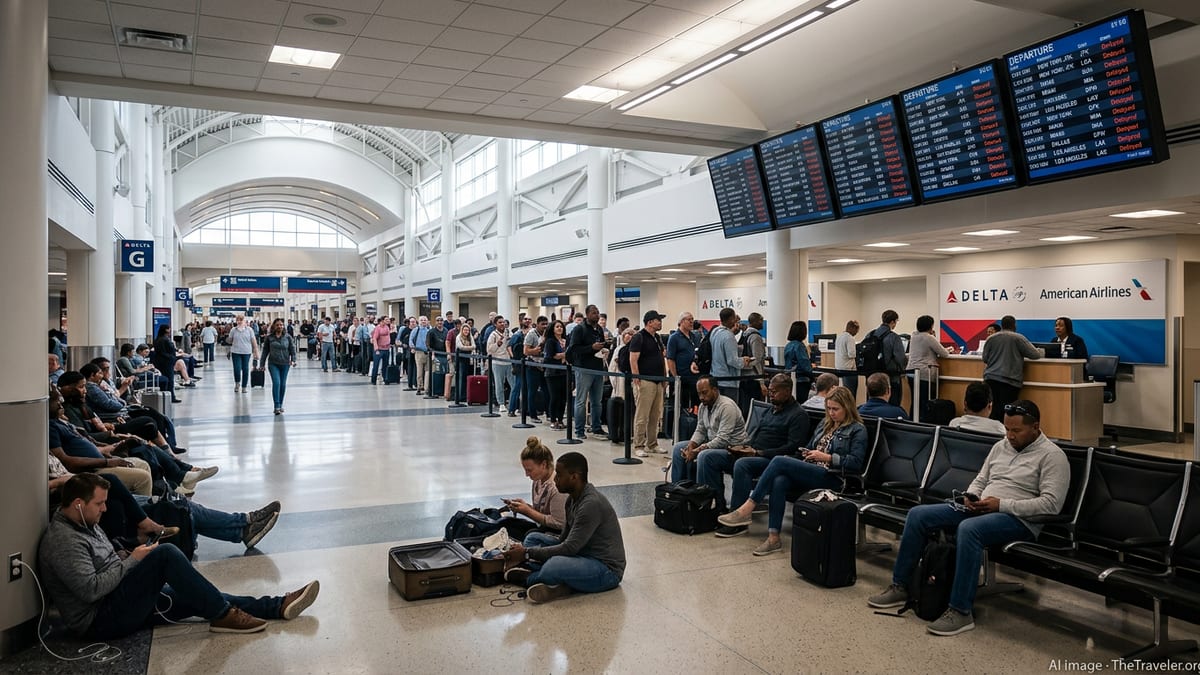
Storms Snarl Operations At A Major Southeast Hub
Thunderstorm outbreaks sweeping across the Charlotte region in July have repeatedly disrupted operations at Charlotte Douglas International Airport, triggering ground stops that halt departures and slow arrivals. Published reports describe one such episode on July 10, when strong storms moving through the area prompted air-traffic managers to pause takeoffs and meter inbound flights, quickly backing up aircraft at gates and on taxiways.
Federal aviation data for Charlotte show that convective weather remains one of the primary causes of operational slowdowns during the warm season, with storms over or near the field often forcing controllers to reduce arrival rates or temporarily suspend operations for safety. Meteorological outlooks from the National Weather Service in late July highlight a pattern of hot, unstable air over the Carolinas, creating almost daily opportunities for severe thunderstorms, lightning and sudden wind shifts that can affect airport movements.
When that weather intersects with peak afternoon and evening banks at a hub dominated by connecting traffic, the impact on passengers can be immediate. Flights that depart late from Charlotte risk missing their arrival slots at downstream airports already coping with their own convective weather, creating additional delays and stranding travelers far from their final destinations.
Travelers Report Long Delays And Overnight Strands
Passenger accounts posted online describe travelers at Charlotte Douglas waiting through multiple rolling delays, watching departure times slip as thunderstorms flare and subside along flight routes. Some report sitting in crowded concourses late into the night as successive flights to the same destination cancel, leaving rebooking options thin during an already busy summer schedule.
Others recount spending unplanned nights in Charlotte after missed connections, particularly when inbound flights arrive hours behind schedule and final outbound flights of the day have already departed. In several cases, travelers say they were advised that weather-related disruptions limited the assistance airlines could provide, with hotel and meal costs often falling to the passenger when cancellations were attributed to severe storms rather than controllable operational issues.
These experiences mirror broader patterns across the U.S. air network, where summer thunderstorms can strand passengers as airlines juggle duty-time limits for crews, aircraft positioning and already high load factors. With many flights near capacity, finding open seats to rebook stranded travelers can take days rather than hours, especially through large connecting hubs such as Charlotte.
Why Charlotte Is Especially Vulnerable In Summer
Charlotte Douglas serves tens of millions of passengers a year and functions as a major connecting point for domestic and regional traffic across the eastern United States. Publicly available airport data indicate that July is among the busiest months for the facility, with millions of enplaned passengers and dense afternoon departure banks that leave little slack when storms roll in.
The airport’s location in the Southeast also places it squarely in a climatological zone where afternoon and evening thunderstorms are frequent during summer. Short-lived but intense storm cells can drop heavy rain, generate microbursts and send lightning across ramp areas, requiring temporary suspensions of ground handling and fueling even when the runway itself remains usable.
Historical records show that severe weather has periodically had an outsized effect on Charlotte operations, from snow and ice events in winter to tropical systems and stalled frontal boundaries at other times of year. Aviation studies of weather impacts on U.S. hubs note that convective activity in the Southeast can propagate delays throughout the national network, as disruptions at a single major connecting airport cascade to others in the same airline system.
What Stranded Passengers Can Expect Under Rules And Policies
When passengers are stranded at Charlotte due to severe weather, their options and entitlements depend on where the delay occurs and how long it lasts. Federal tarmac delay regulations require airlines operating at U.S. airports to allow passengers to deplane after specific time thresholds if aircraft remain on the ramp, with contingency plans filed for Charlotte that outline how carriers intend to move travelers back to gates when extended ground holds occur.
Inside the terminal, however, there is no federal requirement for airlines to provide meal vouchers or hotel rooms when disruptions are caused by weather. Airline customer service dashboards made public in recent years indicate that most major U.S. carriers classify severe storms as outside their control, meaning they typically offer rebooking on the next available flight but do not guarantee reimbursement for overnight accommodations or incidental expenses.
Passengers stranded overnight at Charlotte often turn to publicly available guidance from consumer advocates, who recommend documenting delays, keeping receipts and checking credit card travel protections that may offer some coverage when airlines do not. Travel industry commentary also suggests that travelers facing long disruptions consider contacting their airline through multiple channels, including mobile apps and call centers, since rebooking inventory can change quickly as operations stabilize.
Planning Strategies For Future Trips Through Charlotte
Published travel advice for navigating summer through major hubs like Charlotte emphasizes advance preparation and flexibility when severe weather is in the forecast. Travelers are frequently urged to favor morning departures when possible, as earlier flights have a better chance of operating before afternoon storms develop and before delays compound across the network.
Experts also highlight the value of monitoring weather forecasts in the days leading up to departure and signing up for airline and airport alerts. Charlotte Douglas and major carriers serving the airport provide real-time updates through websites, apps and terminal displays, giving passengers more time to adjust plans if ground stops or widespread delays seem likely.
For those with tight connections through Charlotte, travel planners often recommend allowing generous connection buffers during peak storm season, or selecting routings that offer multiple daily flights between key city pairs. While no itinerary can fully eliminate the risk of being stranded during severe weather, such strategies can reduce the chances that one missed connection or cancellation will result in an extended, unexpected stay at the airport.