


More news on this day
Envoy Air flight ENY3627 diverted to Shreveport Regional Airport on Saturday, disrupting travel plans for dozens of passengers but resulting in a routine, safe landing and no immediate reports of injuries or aircraft damage, according to publicly available flight-tracking and airport-status information.
Get the latest news straight to your inbox!
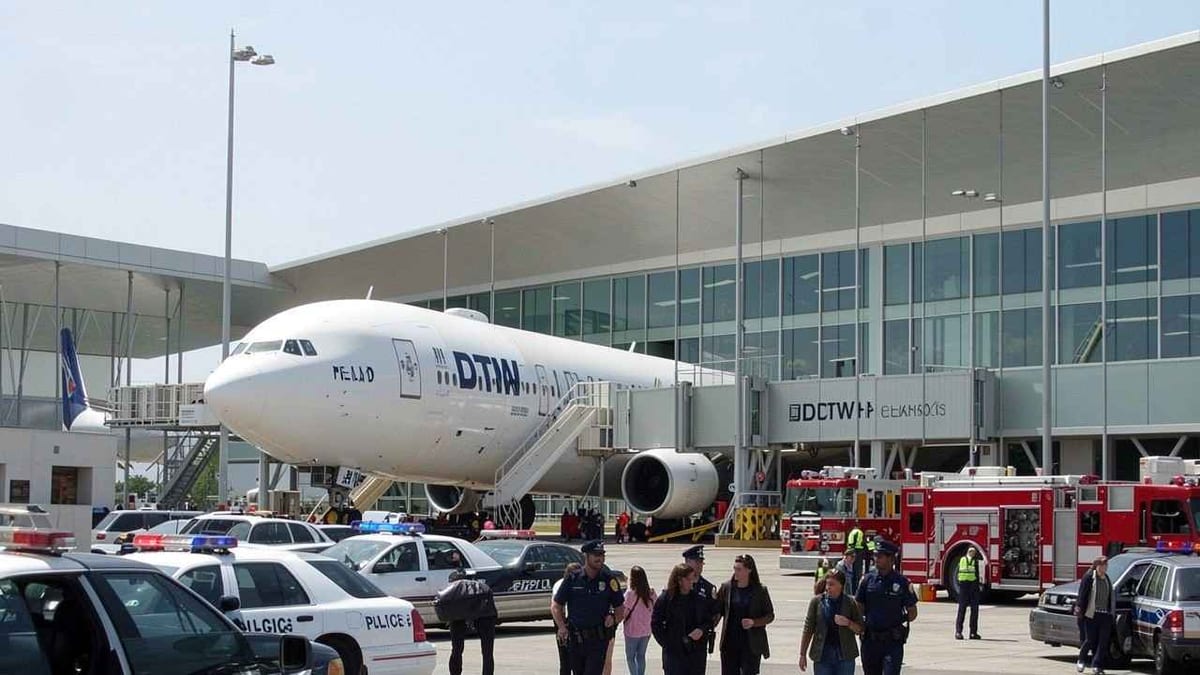
Unexpected Diversion Brings Regional Jet to Shreveport
Flight data for Envoy Air service ENY3627 indicate that the American Eagle-branded regional jet altered course and landed at Shreveport Regional Airport instead of its planned destination. The diversion occurred during a period of unsettled summer weather affecting parts of north Louisiana and east Texas, where thunderstorms and heavy rain have recently triggered weather alerts and localized disruptions.
Tracking information shows ENY3627 operating as a typical domestic feeder service, connecting a smaller regional airport with a larger hub. During its journey, the aircraft deviated from its expected routing and turned toward Shreveport, where it landed without indication of an emergency response beyond standard airport operations. Available records do not point to fire, medical, or law-enforcement incidents directly associated with the flight.
Initial schedule data list the flight as delayed after the diversion, with passengers facing missed connections and extended travel times. However, aircraft-movement logs suggest that the jet remained intact and controllable throughout, supporting the view that the event was handled as a precautionary or operational diversion rather than a full-scale in-flight emergency.
Weather and Operational Factors Likely Influences
The diversion came against the backdrop of active summer weather in the broader region, including recent forecast discussions noting heavy rain, thunderstorms, and flash flood warnings in parts of Louisiana and Texas. Such conditions can quickly generate low visibility, wind shear, and rapidly changing ceilings, all of which can prompt conservative decisions by flight crews and dispatchers on regional routes.
Aviation research and operational guidelines emphasize that regional flights are particularly exposed to these short-notice weather changes, because they often operate into and out of smaller airports with fewer parallel runways and less redundancy in navigation and approach options. In these environments, a developing storm cell near the planned destination can make a nearby alternate airport like Shreveport the safer and more predictable choice.
Beyond weather, regional carriers regularly adjust routings in response to air traffic control constraints, runway closures, or crew-duty timing limits. Publicly available analyses of airline operations note that once a crew nears its legal duty limit, diversions to closer airports can minimize the risk of duty-time exceedances, which can otherwise strand passengers and aircraft for extended periods.
Impact on Passengers and Downline Operations
For travelers, the diversion of ENY3627 meant an unplanned arrival into Shreveport, a relatively small outstation with limited frequencies compared with major hubs. Passengers connecting onward were likely rebooked onto later flights or alternative routings, consistent with common airline practices when diversions disrupt the original itinerary.
Regional operations experts point out that a single diverted flight can have knock-on effects across an afternoon or evening schedule. When an aircraft and crew unexpectedly terminate a leg in an intermediate city rather than at a hub, subsequent departures may be delayed or canceled until equipment and staffing can be repositioned. On busy travel days, this can ripple across multiple spokes in a carrier’s network.
Shreveport’s status as a smaller regional field also affects recovery options. While large hubs can often draw on spare aircraft and reserve crews, smaller airports typically have fewer backups on hand. As a result, passengers from ENY3627 may have experienced longer-than-usual waits for re-accommodation, even though the diversion itself concluded safely.
Shreveport’s Role in the Regional Aviation Network
Although Shreveport Regional Airport sees far fewer flights than major southern hubs, it plays a strategic role as a diversion and recovery point for carriers operating across the Southern Plains and Gulf states. Flight-performance data show a steady mix of regional jets connecting Shreveport to hub airports, with on-time performance in a mid-range band that reflects both its size and its exposure to Gulf and continental weather patterns.
Industry documentation and airline planning studies describe how airports like Shreveport are integrated into diversion and contingency maps long before a specific crew encounters in-flight difficulties. Airlines and dispatch centers rely on a network of alternates with suitable runways, instrument approaches, and ground services, calibrated to each aircraft type and route structure. For Envoy Air and other regional operators, this planning allows flights to divert quickly without improvisation when conditions deteriorate near the destination.
The arrival of ENY3627 in Shreveport fits this pattern of pre-planned contingency use. While unscheduled from a passenger perspective, the airport’s infrastructure, fuel services, and connections to major hubs make it a logical choice when weather or operational constraints interfere with primary routing across the region.
Safety Record and Routine Nature of Diversions
Aviation-safety data and previous investigations into regional airline events underline that diversions are a common and generally low-risk tool for managing uncertain conditions. Rather than indicating imminent danger, a choice to land at an alternate airport typically reflects an emphasis on safety margins, fuel planning, and workload management for the crew.
Envoy Air, which operates under the American Eagle banner, flies a large fleet of Embraer regional jets on short and medium-haul legs throughout the United States. Publicly available regulatory filings and past factual reports show that its flights, like those of other major regional affiliates, routinely conduct precautionary diversions for weather, medical situations, or maintenance concerns, with outcomes that are overwhelmingly uneventful.
In the case of ENY3627, current information points to a textbook example of that practice. The aircraft landed at a suitable alternate airport, passengers were brought safely to the ground, and subsequent disruption centered on schedules and logistics rather than injuries or damage. For travelers, it serves as a reminder that an unexpected city name on the arrivals board is often a sign that standard safety procedures are working exactly as intended.