


More news on this day
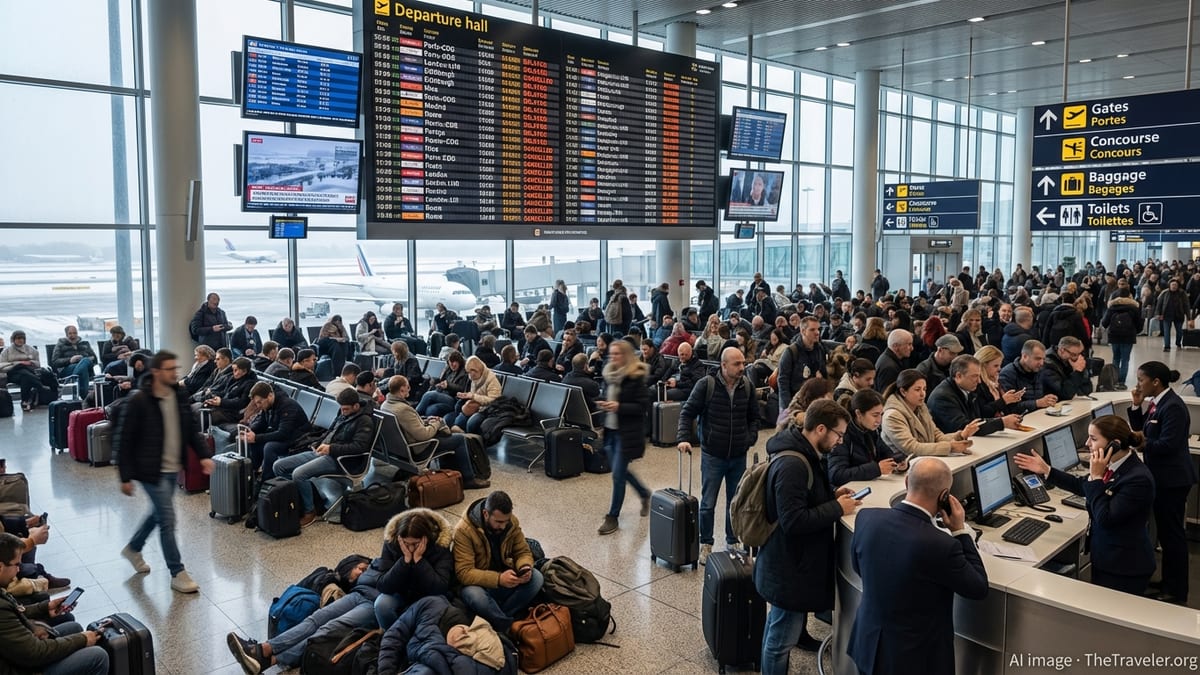
Passengers travelling through London’s main airports in July 2026 are facing a volatile mix of flight delays and cancellations, as rail disruption, infrastructure works and peak summer demand combine to put pressure on operations at Heathrow, Gatwick, Stansted and Luton.
Get the latest news straight to your inbox!
Rail Disruption Ripples Into Heathrow and Gatwick Schedules
Flight punctuality at Heathrow and Gatwick in mid July is being affected not only by issues in the air but also by a series of rail incidents on key approaches to the airports. Publicly available rail information for 13 and 14 July highlights multiple disruptions on routes used by passengers heading for flights, including delays at East Croydon and Balcombe on the London to Brighton main line and problems affecting services between Reading, Bracknell and London.
Service updates for Gatwick Express, Southern and Thameslink describe major disruption on the south London network, with advice for travellers heading to both Gatwick Airport and Luton Airport Parkway to allow significantly more time than usual for their journeys. In practice, this has meant some passengers missing planned departures or arriving close to cut-off times, increasing the risk of missed flights and connections.
On the western side of London, early morning alterations on the Elizabeth line between London Paddington, Heathrow Airport and Abbey Wood have also affected access to Heathrow. Notices indicate that no early morning trains are operating on certain dates, with services resuming only after 06:00, which can be challenging for passengers booked on the first wave of departures.
While the airports themselves have remained open and operating, the combination of line closures, signal failures and fire-related disruption beside the tracks has created knock-on effects. Airlines have needed to manage late-arriving passengers and crew, and the rail incidents have added to general congestion during a period when terminals are already busy with summer holiday traffic.
Seasonal Pressures and Ongoing Operational Constraints
The current pattern of disruption is unfolding against a backdrop of sustained growth in air travel and persistent operational constraints across the London airport system. Data from the UK Civil Aviation Authority for recent months shows a steady volume of cancellations at the four largest London area airports, reflecting a sector that continues to operate close to capacity during peak periods.
Heathrow is also undergoing a programme of works that affects some passenger facilities. A major redevelopment of the Terminal 4 multi-storey car park and forecourt area is under way from late June 2026, with the airport advising travellers to check parking and drop off arrangements before travelling. Although these works are not directly responsible for flight cancellations, they form part of a wider pattern of infrastructure activity that can contribute to congestion and longer journey times to and from the terminals.
At Gatwick, recent communications have focused on long term economic and regional development initiatives, but the airport remains tightly integrated with an overstretched rail network in the South East. Any incident affecting the Brighton main line or connecting routes quickly translates into pressure within the terminal, as airport operators and airlines must handle fluctuating surges of passengers when services resume after delays.
Stansted and Luton, which rely heavily on main line and branch rail services to central London, are seeing similar sensitivity to rail reliability. When services on the Stansted Express or Thameslink and East Midlands Railway routes into Luton Airport Parkway experience faults or timetable reductions, passengers can arrive significantly earlier than necessary to build in a buffer, or risk arriving late. Both patterns can contribute to crowded departure halls and longer queues at check in and security.
Impact on Travellers: Longer Queues and Tighter Connections
For passengers, the practical impact of July’s disruptions is most evident in longer end to end journey times and more stressful airport experiences. Reports from travel coverage and passenger forums describe early morning departures complicated by altered rail timetables, with some travellers switching to road transport at short notice and encountering congestion on key motorways such as the M25 and M1.
The picture at security and border control varies by airport and time of day, but peak morning and evening waves are consistently busy. At several airports, passengers have described the need to factor in extended queuing times, particularly when large numbers of travellers, delayed by public transport issues, arrive simultaneously. In some cases, this has contributed to missed bag drop deadlines even when flights have gone on to depart broadly on time.
Published guidance from the airports continues to stress the importance of arriving well ahead of departure, with many travel advisories suggesting at least two hours for short haul and three hours for long haul flights, and longer if connecting between different London airports. Airline operational updates also note that same day connections which involve a transfer between Heathrow, Gatwick, Stansted and Luton are especially vulnerable to disruption when rail services are reduced or motorways are congested.
Travel insurers and consumer advocates have reminded passengers that compensation entitlement for delays or missed flights depends on the cause. Cancellations directly attributable to airline decisions may fall under air passenger rights rules, while delays caused by external factors such as rail incidents, air traffic restrictions or severe weather are generally treated differently, leaving some travellers to rely on broader travel insurance policies.
Preparation and Contingencies for Late July Trips
With school holidays beginning and demand set to build through the rest of July, industry analyses suggest that the risk of delays and cancellations at London airports will remain elevated, even on days without headline-grabbing incidents. The interplay between busy terminals, infrastructure works and sensitive surface transport links means relatively small disruptions can escalate into wider timetable changes.
Current public information encourages anyone flying in the coming weeks to monitor flight status closely on the day of travel and to check both rail and road conditions before leaving for the airport. For early morning departures from Heathrow and Gatwick, this may involve confirming first-train times on the Elizabeth line, Heathrow Express, Gatwick Express or connecting services and considering backup options such as coach links or pre-booked taxis.
Travellers connecting between London airports are particularly advised to allow generous margins, with several transport planning resources recommending at least four to five hours between scheduled arrival and onward departure when a cross-city transfer is involved. This reflects not only typical journey times but also the possibility of delays on orbital motorway sections or unexpected rail alterations.
As July 2026 progresses, the pattern emerging around London’s airports is one of broadly resilient core operations under stress from intermittent infrastructure and capacity constraints. Flights continue to operate in large numbers, yet a combination of rail incidents, roadworks, terminal projects and seasonal peaks is making punctual travel less predictable, prompting passengers and airlines alike to build more contingency into their summer plans.