


More news on this day
Air travel across Europe faced fresh disruption this weekend as operational data from major tracking platforms indicated more than 1,300 flight delays and at least 55 cancellations affecting services in Germany, England, Portugal, Switzerland and Norway, snarling schedules for Lufthansa, British Airways, Vueling, Swiss and several other carriers.
Get the latest news straight to your inbox!
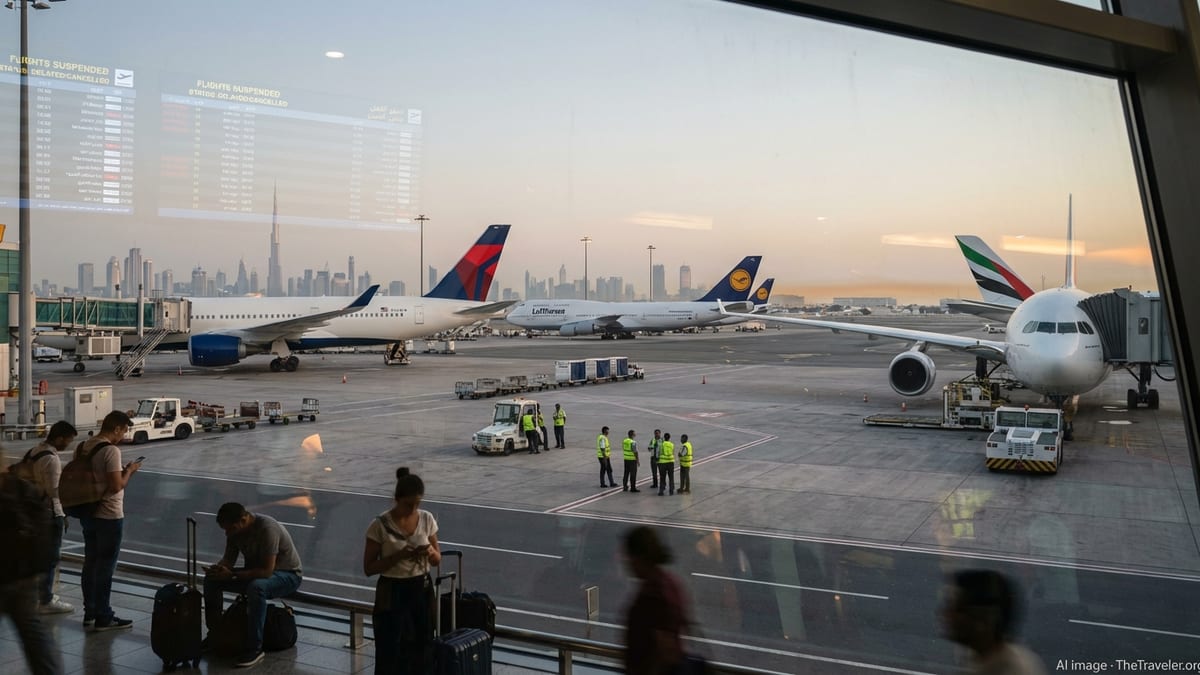
Wide Ripple Effects From Berlin To Lisbon
Tracking platforms monitoring European airspace on June 6 and June 7 showed a dense wave of delayed departures and arrivals concentrated at key hubs including Zurich, Lisbon and Berlin, with secondary impacts reported at airports in Germany, England and Norway. The pattern points to a mix of weather disruptions, air traffic control constraints and knock-on delays from earlier rotations reverberating through weekend schedules.
Publicly available flight status feeds for Berlin and other German airports indicated clusters of delayed services on routes operated by Lufthansa and its partners, with some domestic and short haul European flights canceled outright. Similar pressure appeared at London area airports, where British Airways, low cost operators and codeshare partners dealt with late inbound aircraft and tightened turnaround windows.
In southern Europe, Lisbon emerged as another flashpoint. Arrivals and departures data showed a busy schedule for TAP Air Portugal, Vueling, easyJet, Swiss and other carriers, with several services running significantly behind schedule as congestion built up over the course of the day. Disruptions on Portugal links added further strain for travelers connecting onward to northern Europe and long haul destinations.
Norwegian airports were also drawn into the network effect as delayed aircraft arriving from central and western Europe upset rotation plans for the rest of the day. While individual delay durations varied, the combined impact contributed to the tally of more than a thousand late operations recorded across the region in a single 24 hour window.
Swiss Hubs Under Pressure In Zurich And Geneva
Switzerland’s main hubs at Zurich and Geneva experienced a particularly challenging operating environment. Data compiled from airport tracking services and operational reports for June 6 pointed to nearly 200 delayed flights and a number of outright cancellations at the two airports, affecting carriers including Swiss, Lufthansa, British Airways, easyJet and Air France.
At Zurich, Swiss and Lufthansa services formed the backbone of the disrupted schedule, with connecting passengers on European feeder routes facing missed links to long haul flights towards North America, the Middle East and Asia. Publicly available information shows that airlines responded with rebookings, rerouting via alternative hubs and in some cases shifting travelers to later departures on partner carriers.
Geneva, heavily served by easyJet and a range of European airlines, also saw a high volume of delayed operations as early morning slippages cascaded through the afternoon and evening timetable. Operational data suggests that congestion at departure gates and tight aircraft rotations limited the ability of carriers to recover their schedules before the end of the operating day.
While only a handful of flights were formally canceled at Swiss airports compared with the much higher number of delays, the cumulative effect was substantial for passengers attempting same day connections and short weekend trips. Crowded terminal areas, lengthy queues at service desks and pressure on hotel capacity around the airports were among the reported knock on effects.
Germany And The U.K. Grapple With Weather And Capacity Constraints
In Germany, the latest disruption comes on top of a year already marked by schedule adjustments and earlier strike related cancellations at major hubs. Airlines in the Lufthansa Group had previously outlined reductions and consolidations in their summer programs, but the most recent delays and cancellations appear tied more directly to short term factors such as adverse weather and air traffic control restrictions.
Reports from passengers and tracking services indicated that some flights in and out of Frankfurt, Munich and Berlin were canceled or heavily delayed as storms and low visibility conditions moved across parts of the country in early June. When aircraft and crews were left out of position, later rotations to neighboring countries, including services to England, Portugal and Norway, were in turn affected.
In the United Kingdom, high traffic volumes at London Heathrow and other airports combined with inbound disruptions from mainland Europe to produce further schedule challenges. British Airways, along with partner airlines on trans European routes, reported a mix of extended departure holds, missed slots and late arriving aircraft that compressed operating margins during peak periods.
Publicly accessible aviation data suggests that while the total number of outright cancellations in Germany and the U.K. over the latest 24 hour period remained limited relative to overall traffic, the scale of delays contributed significantly to the regional total of 1,311 affected flights. For many travelers, extended waits on the ground or unplanned overnight stays had a similar impact to full cancellations.
Portugal, Spain And Low Cost Networks Feel The Strain
Airports on the Iberian Peninsula, including Lisbon and major Spanish hubs, provided another focal point for the current wave of disruption. Vueling, TAP Air Portugal and other low cost and hybrid carriers operate dense point to point networks across Europe that can be particularly vulnerable when a single weather or air traffic issue interrupts early morning rotations.
Flight trackers on June 6 and June 7 highlighted multiple delays and a number of cancellations on Vueling services from Spanish airports, reflecting the tight scheduling that underpins low cost business models. Publicly available information shows how a canceled or heavily delayed first wave sector can rapidly generate rolling delays across subsequent flights, including routes into Zurich, Berlin and northern Europe.
Lisbon, already operating close to capacity at busy times of day, saw gate and runway congestion intensify as late arrivals coincided with scheduled departures. Aircraft parking constraints and the need to reallocate stands added complexity for ground handlers and airline operations teams managing high volume short haul flying.
For travelers, these conditions translated into extended waits in departure lounges, frequent gate changes and a higher than usual risk of missed onward connections. Short weekend trips and cruise connections were particularly vulnerable when even relatively modest delays narrowed already tight transfer windows.
Passenger Rights And Planning For Continued Volatility
The latest disruption has renewed attention on passenger rights under European and U.K. regulations governing delays and cancellations. Consumer advocacy organizations and travel specialists highlight that travelers departing from or arriving in the European Union, as well as those flying on EU or U.K. carriers, may be entitled to assistance such as meals, hotel accommodation and rebooking when schedules break down.
In some cases, financial compensation may also be available where cancellations or long delays are not attributable to extraordinary circumstances such as severe weather or air traffic control strikes. Guidance from travel rights groups emphasizes the importance of keeping boarding passes, booking confirmations and any written notifications from airlines when later pursuing claims.
Given the current pattern of weather related and capacity driven disruption, analysts suggest that volatility may continue during the early summer travel period. Travelers are encouraged, according to published coverage and industry guidance, to monitor flight status closely in the 24 hours before departure, make use of airline apps and alert services and consider longer connection times when planning complex itineraries.
While airlines across Europe continue to adjust schedules and deploy spare capacity where possible, the experience of the past several days indicates that even a relatively small number of cancellations, combined with large volumes of delayed flights, can significantly disrupt travel plans for thousands of passengers in a tightly interconnected network.