


More news on this day
An American Airlines flight from Charlotte to Salt Lake City diverted to Las Vegas, turning a routine early morning transcontinental service into an unexpected reroute across the western United States, according to real-time flight tracking data and publicly available airline information.
Get the latest news straight to your inbox!
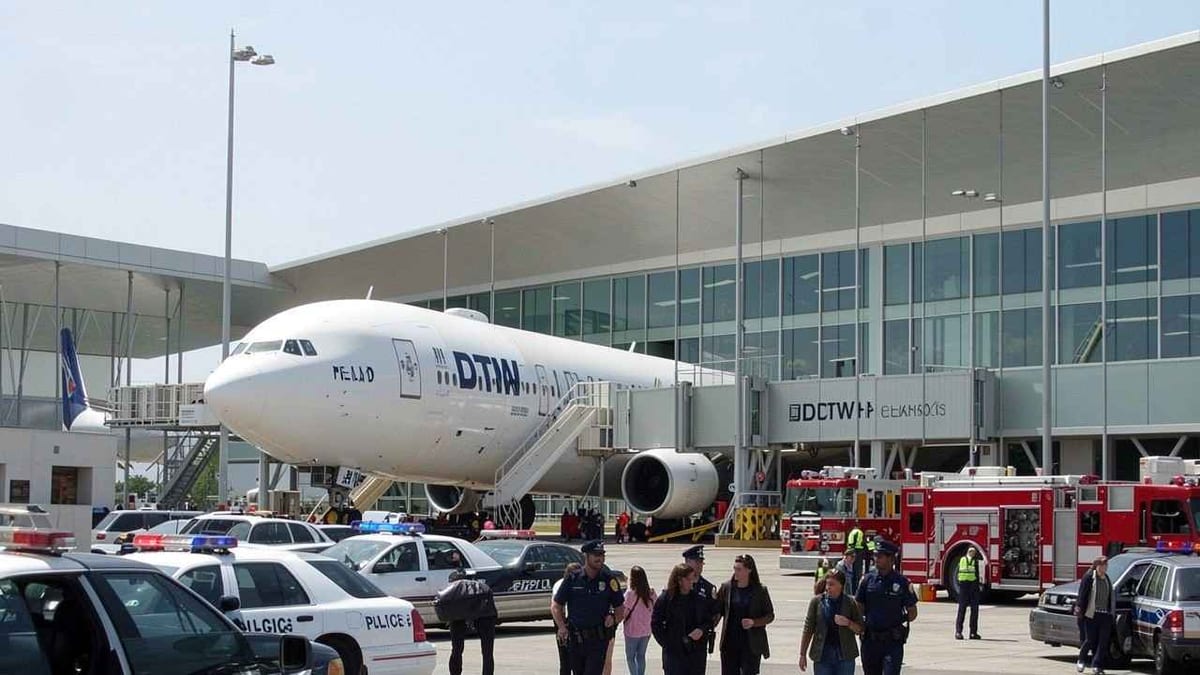
Routine East–West Service Interrupted En Route
American Airlines flight AAL2611, operated by an Airbus A321, was scheduled to connect Charlotte Douglas International Airport with Salt Lake City International Airport as part of the carrier’s regular east–west network. Data from public flight information displays and tracking services show the flight departing Charlotte on time in the early morning hours, following its usual routing toward the Mountain West.
Instead of continuing directly to Utah, the aircraft deviated from its planned path and headed for Las Vegas. The diversion placed the aircraft at Harry Reid International Airport, a major hub for traffic across the Southwest, where it could access additional ground handling, maintenance support, and potential onward connections for disrupted passengers.
Available information does not immediately indicate a single definitive cause, but the rerouting fits a broader pattern in which weather systems, air traffic flow constraints, or onboard issues can prompt crews to request an alternate airport that offers suitable runway length, facilities, and staffing for an unscheduled arrival.
As with similar diversions elsewhere in the U.S. network, the aircraft type likely helped give the airline flexibility. The Airbus A321 family is widely used on domestic trunk routes, allowing carriers to reposition aircraft and crews from diversion points without major changes to overall fleet planning.
Why Las Vegas Becomes a Go-To Diversion Airport
Las Vegas often serves as a strategic diversion point for flights operating between the eastern United States and destinations across the Rockies and West Coast. The airport’s long runways, extensive gate infrastructure, and concentration of airline operations make it well suited to accept unplanned arrivals that may require refueling, inspections, or crew changes.
Publicly available air traffic updates for the western region frequently reference Las Vegas in the context of managing weather systems and traffic flows, especially when strong winds or convective activity affect airports in the Intermountain West, including Salt Lake City. In such scenarios, diverting to Las Vegas can shorten holding times aloft and reduce fuel burn compared with circling near the intended destination.
For passengers, the choice of Las Vegas as a diversion airport can offer practical advantages. The airport is served by a wide range of domestic routes, which increases the chances of same-day or next-day rebooking options. Additionally, the surrounding metro area has substantial hotel capacity, which is important when irregular operations lead to overnight stays for some travelers.
The combination of infrastructure, geographic position, and airline presence means that when a flight like AAL2611 cannot proceed as planned to Salt Lake City, Las Vegas is often among the first viable alternates that dispatch and flight crews consider.
How Diversions Fit Into Airline Operations
Diverting a flight such as AAL2611 involves multiple coordinated steps. Once it becomes clear that continuing to the original destination is not the best option, crews work with airline dispatchers and air traffic control to select an alternate airport, confirm runway suitability, and assess fuel requirements for the revised routing. The decision aims to balance safety, passenger impact, and the broader needs of the airline’s network.
After landing at the diversion airport, the airline evaluates the condition of the aircraft and crew duty limits, as well as available slots to continue on to the original destination. In some cases, the same aircraft continues once conditions improve; in others, passengers are moved to different flights or rebooked through alternative hubs, depending on seat availability and scheduling constraints.
American Airlines’ publicly accessible customer service and conditions-of-carriage materials describe broad commitments when flights are disrupted or diverted, including efforts to rebook travelers on the next available service and, in some circumstances, to provide lodging and meal support when overnight delays occur away from a traveler’s home city. The specific assistance offered can vary with the cause of disruption and the timing of onward flights.
From an operational standpoint, a diversion can ripple through the network. Aircraft and crew that were scheduled to operate subsequent segments may miss those rotations, prompting further changes to flight assignments and departure times later in the day, particularly at busy hubs such as Charlotte and major connecting points in the West.
Passenger Experience in an Era of Frequent Disruptions
Events like the diversion of AAL2611 underscore how quickly travel plans can change, even on domestic routes that typically run multiple times per day. In recent years, U.S. travelers have increasingly relied on real-time flight tracking tools, airline mobile apps, and airport displays to keep pace with evolving departure and arrival information.
When diversions occur, passengers may spend extended periods onboard while waiting for a gate, or may be asked to deplane and re-clear security depending on local airport procedures. Access to digital rebooking tools and push notifications can help travelers secure alternate itineraries more quickly, especially when customer service counters experience long lines during widespread disruptions.
For travelers connecting in Salt Lake City to regional destinations in the Mountain West, a diversion to Las Vegas can introduce additional complexity, as onward options may involve routing back through another hub such as Phoenix, Denver, or Dallas. Some passengers opt to arrange ground transport or overnight stays if the remaining distance is manageable and same-day connections are limited.
Despite the inconvenience, diversions remain a standard part of modern airline operations, used when they are judged to be the safest and most efficient way to complete a journey under changing conditions. The experience of those aboard AAL2611 reflects the reality that even well-established routes can be reshaped in real time by factors ranging from weather to operational constraints.
What Travelers Can Do When Flights Divert
While passengers cannot control decisions to divert, there are practical steps that can make an event like the AAL2611 Las Vegas reroute easier to manage. Keeping contact details up to date in airline profiles helps ensure that text and app notifications about gate changes, new departure times, or rebooked itineraries arrive promptly.
Travel insurance policies, where purchased, may offer benefits related to trip interruption, additional accommodation, or meals during significant delays. Travelers are often advised to review policy terms ahead of time to understand coverage thresholds and documentation requirements, such as receipts and proof of disruption.
In diversion scenarios, some travelers choose to proactively explore alternative routings using airline apps or speaking with gate agents once they are in the terminal. Depending on seat availability, rerouting through a different hub or even switching to a nearby destination airport can sometimes get passengers closer to where they need to be sooner, particularly in regions with multiple airports within driving distance.
For now, the diversion of American Airlines flight AAL2611 to Las Vegas stands as another illustration of how dynamic U.S. air travel has become. Even for frequent fliers accustomed to crossing the country, unplanned stops remain an occasional feature of life at 35,000 feet.