


More news on this day
Royal Caribbean has extended its pause on cruise calls to Labadee, its private destination on Haiti’s northern coast, keeping the resort off itineraries until at least June 2027 as security concerns in the country persist.
Get the latest news straight to your inbox!
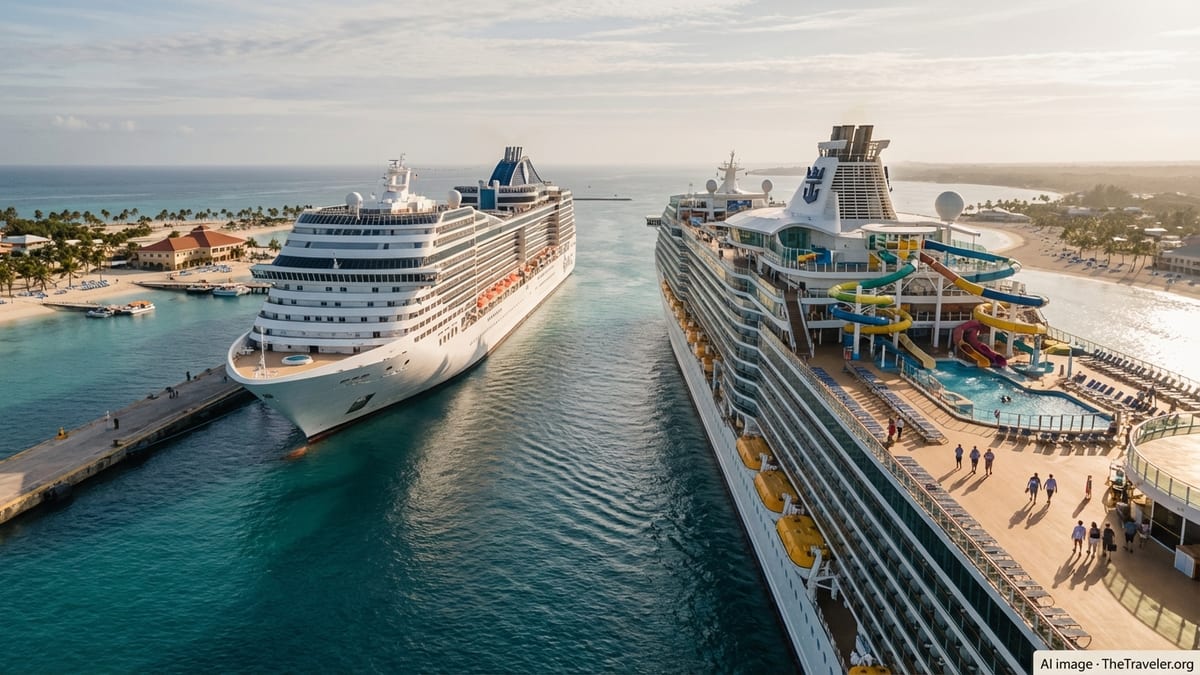
Pause on Labadee Calls Stretches Into 2027
The latest adjustment means that ships across Royal Caribbean’s fleet will continue to bypass the long-standing private destination for at least another year beyond what had already been announced. Earlier in 2026, the cruise line had removed Labadee from schedules through the end of December, after a series of prior extensions that gradually pushed the restart date further out.
Recent coverage from cruise industry outlets and travel publications indicates that the company has now lengthened the suspension through June 2027, informing guests who were booked on Caribbean sailings featuring Labadee as a port of call. Publicly available information describes the move as a continuation of a rolling risk assessment tied to conditions in Haiti rather than a permanent closure of the resort.
Labadee, leased by Royal Caribbean since the 1980s, has traditionally been one of the line’s hallmark stops in the region, known for its beaches, zipline and watersports facilities. The extended pause underscores how regional instability can reshape cruise planning many months, and in this case years, in advance.
Reports from cruise-focused sites note that previously scheduled calls in late 2026 and the first half of 2027 are being replaced with alternative ports or additional sea days, depending on ship and itinerary. Guests are being notified through updated travel documents and direct communications as itineraries are finalized.
Security Concerns in Haiti Drive Continued Caution
Royal Caribbean first halted calls to Labadee in March 2024 amid a sharp escalation of gang violence and political turmoil in Haiti. Travel and regional news coverage at the time highlighted attacks on police stations and government facilities, as well as deteriorating conditions in and around the capital, Port au Prince, even though Labadee itself lies far to the north along the coast.
Since then, international travel advisories for Haiti have remained at their highest warning levels, urging visitors to avoid the country due to crime, civil unrest and limited access to emergency services. Publicly available security guidance from several governments continues to cite kidnapping risks, roadblocks and armed groups as key concerns.
While Labadee is physically separated from many of the flashpoints and operates as a controlled-access resort, cruise analysts note that companies typically weigh broader national risk alongside local conditions. The decision to keep ships away into mid 2027 reflects a conservative approach that prioritizes predictability and avoids last minute itinerary changes that can disrupt both operations and guest expectations.
Haiti watchers say there is no clear timeline for when security conditions might stabilize enough to support a resumption of large scale cruise tourism. By setting a date more than a year out, the company gives itself room to reassess while still providing clarity to travelers and travel agents planning future vacations.
Impact on Cruise Itineraries and Passengers
Removing a popular private port from the schedule has knock on effects for route planning across the Caribbean. Cruise deployment is typically set years in advance, with berthing rights at ports negotiated long before passengers book their trips. Industry commentary indicates that finding replacement ports for large ships on relatively short notice can be challenging, especially during peak seasons.
For many sailings that once included Labadee, Royal Caribbean is substituting alternative Caribbean destinations, such as other island ports or its Bahamian private island, where capacity allows. In cases where suitable berths are unavailable, itineraries may feature extra sea days, with ships leaning more heavily on onboard experiences to fill the gap left by an additional port stop.
Travel advisors report that most affected guests are being rebooked automatically on revised itineraries, with options to modify or cancel in line with standard fare conditions. For travelers who had specifically chosen a sailing to experience Labadee’s beaches or adventure attractions, the change may be disappointing, but demand for Caribbean cruising overall remains strong according to recent booking trends.
Some cruise watchers point out that the extended suspension also provides the company with operational consistency. Instead of evaluating Haiti on a week by week basis, Royal Caribbean can align marketing, staffing and ship deployment around the assumption that Labadee will not be available for a defined period, while leaving open the possibility of earlier resumption if conditions allow.
Economic Consequences for Haiti and Local Workers
Labadee has long been cited by Haitian and international observers as a significant source of tourism revenue for northern Haiti. Publicly available background material notes that the resort directly employs several hundred local workers and provides opportunities for additional vendors and service providers in the surrounding area, while also generating fee income for the government per visiting cruise passenger.
The continued pause means that this stream of visitors and associated income remains cut off. Regional economic commentary has described earlier suspensions of Labadee calls as a setback for communities already facing hardship from inflation, food insecurity and limited formal employment opportunities.
Cruise industry reports indicate that Royal Caribbean has been working to place Labadee based staff in roles across its broader network of ships and destinations during the suspension, in an effort to retain experience and maintain ties with local employees. Even so, the lack of ship calls limits demand for local crafts, excursions and services that depend on shipboard crowds for sales.
Economists who track Caribbean tourism note that while cruise visitors generally spend less per person than land based tourists, the volume of passengers can still make a meaningful difference for small coastal economies. With Labadee now sidelined through at least mid 2027, that contribution is unlikely to rebound in the near term.
What Travelers Should Know Going Forward
For travelers with existing bookings, the most immediate effect of the extended pause is the potential loss of Labadee as a featured stop on their itinerary. Industry coverage suggests that updated schedules are being rolled out progressively, and guests are encouraged to review their cruise documents and pre booked shore activities to understand any changes.
Travel planners say that those set on visiting a private resort style destination may wish to look at sailings that call at alternative private islands in the region, which continue to operate normally. Others may find the revised itineraries appealing on their own merits, especially if they include additional time at sea or calls in ports that were not originally part of the route.
Looking ahead, analysts expect cruise lines to continue monitoring developments in Haiti as international actors work on security and political initiatives. If conditions improve meaningfully before June 2027, Royal Caribbean could in theory revisit its timeline, but there has been no indication in public reporting of any earlier restart date.
Until then, Labadee remains a prominent example of how broader geopolitical and security trends can shape where cruise ships sail, even when the destinations themselves are purpose built, privately controlled resorts far from the headlines that drive the decisions keeping them off the map.