


More news on this day
Air traffic across Europe faced renewed disruption on June 9, 2026, as publicly available tracking data showed more than 100 flights cancelled and over 2,700 delayed at major hubs in the Netherlands, Switzerland, the United Kingdom, Portugal and Greece, affecting carriers including KLM, easyJet, airBaltic, Air France, SAS, Wizz Air and others.
Get the latest news straight to your inbox!
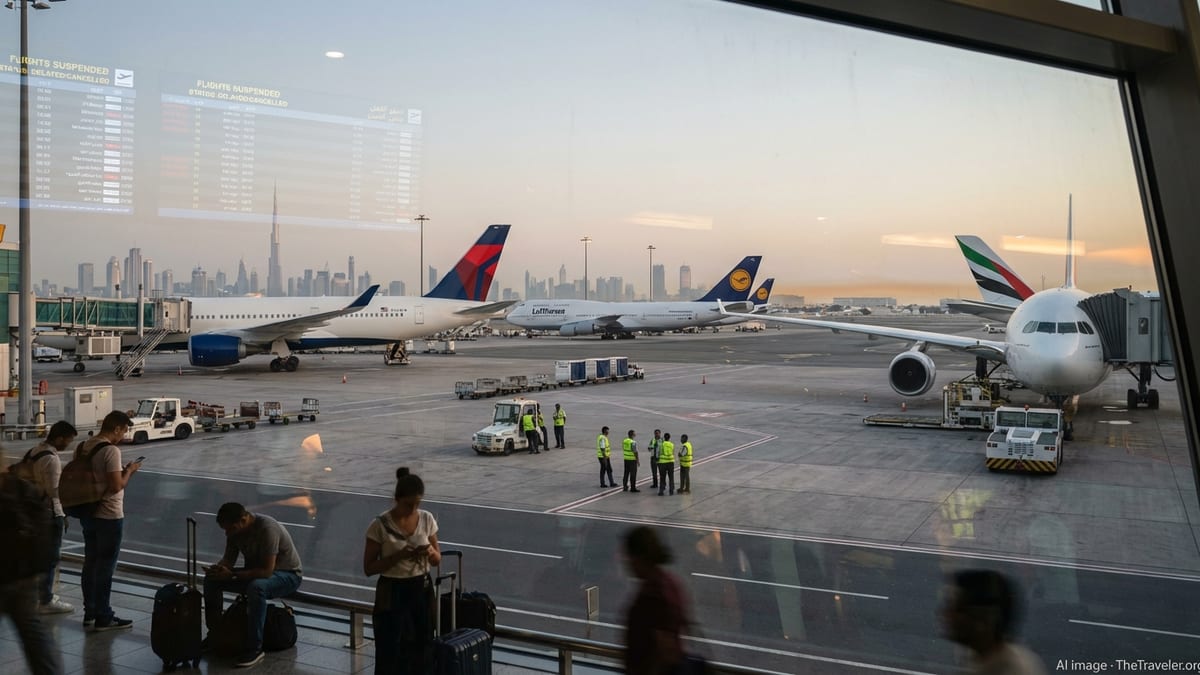
Airports From Amsterdam to Athens Struggle With Knock-On Disruptions
Operational pressures were felt most sharply at key European gateways such as Amsterdam Schiphol, Zurich, London Heathrow and Gatwick, Lisbon and Athens, where schedules were already tight heading into the busy early summer period. Aggregated figures for June 9 indicate around 103 flights cancelled and 2,724 delayed across the region, with delays concentrated in northwest and southern Europe.
At Amsterdam Schiphol, one of the continent’s busiest hubs, KLM and its partners continued to manage a pattern of rolling cancellations and retimed services. Recent European aviation overviews list Amsterdam among the top airports for traffic volumes this year, which magnifies the impact of any disruption as missed connections cascade across the network.
Zurich and London also reported significant schedule strain. London’s main airports have seen repeated waves of delays and cancellations in recent weeks, while Swiss hubs have recorded arrival and departure hold-ups linked to wider network congestion and air traffic flow management restrictions. These effects are now rippling into southern gateways including Lisbon and Athens, where arriving aircraft already operate close to capacity during peak hours.
Multiple Carriers Hit as Summer Travel Demand Climbs
Reports indicate that national and low-cost airlines alike were exposed to Monday’s disruption. KLM, easyJet, airBaltic, Air France, SAS and Wizz Air all appeared among the carriers with cancelled or significantly delayed flights, reflecting how high utilisation across fleets leaves little room to recover when problems emerge.
Earlier coverage of the 2026 summer buildup has highlighted that KLM and Air France had already trimmed parts of their European and medium haul programmes to cope with resource and supply constraints, including jet fuel issues and aircraft availability. Low-cost operators such as easyJet and Wizz Air, which rely on dense, quick-turnover schedules, are similarly vulnerable when a single delay triggers missed slots further down the line.
In Portugal and Greece, local and regional airlines have been contending with a surge in leisure traffic just as new border control requirements and busier-than-usual airspace have intensified the pressure. Recent days saw dozens of cancellations in Madeira due to high winds, hitting services from Lisbon and several UK cities and forcing additional re-routing and aircraft repositioning across TAP Air Portugal, easyJet and other brands.
Weather, Airspace Constraints and Border Checks Combine
Publicly available aviation briefings point to a combination of factors behind the latest wave of disruption. Weather continues to play a role, particularly at coastal and island airports where crosswinds and low visibility can quickly halt operations and cause backlogs in aircraft and crew positioning.
Eurocontrol’s recent European aviation overviews describe elevated air traffic flow management delays this spring, driven by constrained controller staffing in some sectors and by rerouting around conflict-affected regions. That pattern has left little spare capacity when traffic peaks in western and southern Europe, contributing to the high number of delayed flights recorded on June 9.
On the ground, new Entry/Exit System requirements at external Schengen borders are already prompting concern among airlines and airport operators. Industry bodies and regional media have warned in recent days that airports in Spain, Portugal, Italy and Greece are seeing longer processing times and some missed connections even before the system is fully rolled out, raising the risk that today’s disruption could foreshadow tougher bottlenecks later in the season.
Passengers Confront Long Queues and Tight Connections
For travellers passing through Amsterdam, Zurich, London, Lisbon and Athens, the mix of cancellations and delays translated into crowded terminals, rescheduled departures and missed onward connections. Images and descriptions shared through public channels on Monday showed busy departure halls and long lines at check-in and transfer desks as passengers sought rebooking options.
Airlines including KLM and easyJet have been using their digital channels to advise customers to monitor apps and online booking tools closely and to avoid heading to the airport before receiving confirmation of new travel times where a flight has been cancelled. Public advisories in recent weeks have also urged passengers to allow extra time for security and border controls, particularly when connecting between non-Schengen and Schengen flights at hubs like Amsterdam and Lisbon.
Consumer information resources continue to remind European travellers that established passenger rights regulations apply when flights are cancelled or heavily delayed, depending on the cause and routing of each journey. However, the volume of cases associated with repeated disruption this spring has prompted warnings that processing times for compensation and refunds may lengthen, especially at carriers facing multiple operational challenges.
More Turbulence Likely as Peak Summer Nears
Industry outlooks published in early June suggest that European air traffic will remain close to or above 2019 levels through the core summer months, even as airlines grapple with higher operating costs and lingering resource constraints. Analysts note that demand on intra-European leisure routes is particularly strong to and from the Netherlands, the United Kingdom, Portugal and Greece, amplifying the impact of any operational hiccups at major hubs.
Eurocontrol’s trend reports and global airline forecasts both point to a fragile balance between capacity and demand in the region, with small disruptions at individual airports capable of triggering large numbers of delays across the wider network. Monday’s tally of 103 cancellations and more than 2,700 delays across key European markets appears to fit that pattern, underscoring the risk of further days of travel disruption as traffic builds into late June and July.
Publicly available information from airlines and airports indicates that schedules are gradually recovering through Monday evening, but residual delays and aircraft repositioning are likely to continue into Tuesday’s operations. Travellers with upcoming itineraries involving Amsterdam, Zurich, London, Lisbon, Athens and other busy European hubs are being encouraged through airline and airport advisories to check flight status frequently and to be prepared for last minute schedule changes.