


More news on this day
Air travel across Europe is facing another day of major disruption today, with data from flight-tracking and aviation analytics platforms indicating at least 183 cancellations and 1,934 delays affecting services in and out of France, Italy, Türkiye, Germany, the United Kingdom, Austria, the Netherlands and Switzerland. Major carriers including Lufthansa, KLM, Air France, British Airways and Turkish Airlines are among those reporting significant operational challenges at key hubs such as Rome, Amsterdam and Istanbul.
Get the latest news straight to your inbox!
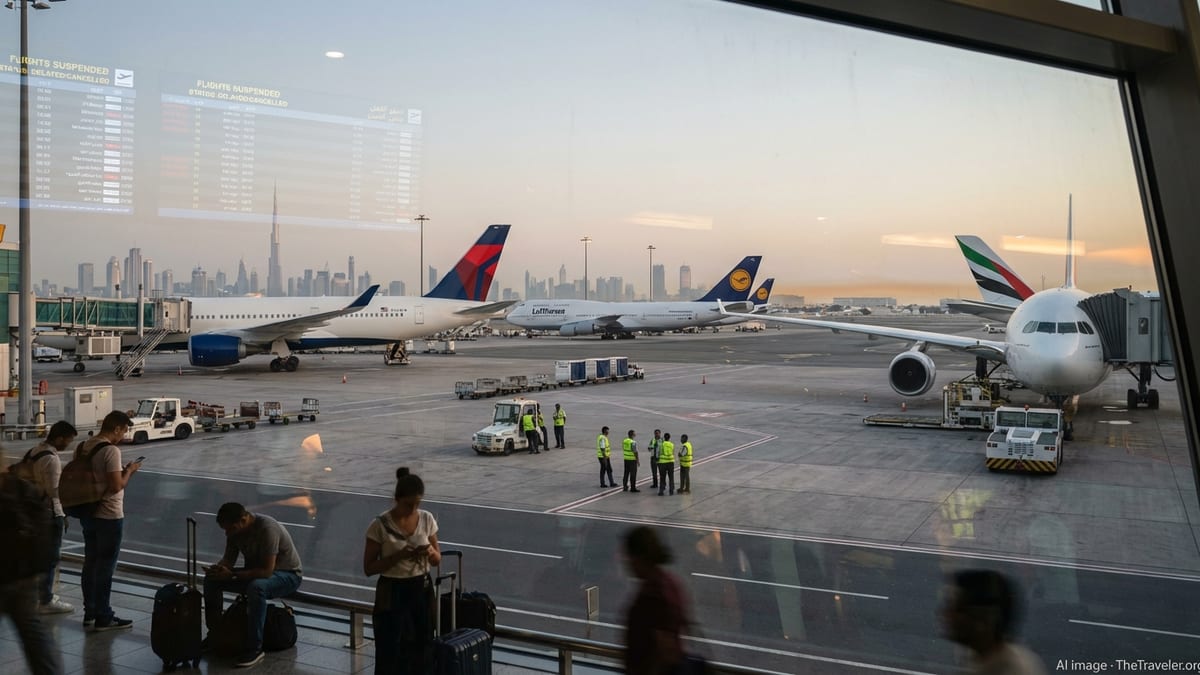
Widespread Disruption Across Key European Hubs
Published flight-status dashboards for 11 May 2026 show cancellations and long delays concentrated at some of Europe’s busiest gateways, including Rome Fiumicino, Amsterdam Schiphol, Istanbul Airport, London Heathrow, Frankfurt, Munich, Zurich and Vienna. The pattern reflects a mix of weather-related constraints, ongoing staffing shortages and knock-on effects from recent schedule reductions already implemented by several European groups.
Airline and airport data indicate that Germany, Italy, France and the Netherlands are among the most affected markets, with clusters of cancellations on short and medium-haul routes used heavily by business travellers and connecting passengers. Long-haul operations are largely preserved, but many are departing late, straining onward connections across the continent.
In Switzerland and Austria, publicly available information shows a comparatively smaller number of outright cancellations but a high share of delayed departures and arrivals, especially on services feeding into the big German and Dutch hubs. This creates ripple effects for regional airports that depend on fast-turnaround connections via Frankfurt, Munich or Amsterdam.
Local media and aviation-specialist outlets describe crowded terminal areas, extended security and check-in queues, and mounting pressure on airlines’ rebooking systems as passengers attempt to salvage itineraries involving multiple carriers and alliance partners.
Legacy Carriers Under Pressure: Lufthansa, KLM, Air France And British Airways
The disruption is hitting Europe’s large network carriers particularly hard. In Germany, Lufthansa has already been operating with a slimmer schedule after announcing the removal of around 20,000 flights from its programme through October 2026 to manage fuel costs and capacity. Today’s additional cancellations and delays compound that reduction, especially on intra-European sectors that connect through Frankfurt and Munich.
In the Netherlands, operations at Amsterdam Schiphol are again constrained by a combination of air traffic control capacity limits and weather-related flow restrictions. Aviation forums and consumer reports highlight repeated periods in 2026 when KLM sharply trimmed its schedule during days of heavy disruption, prioritising long-haul and core European routes while downgrading frequencies on secondary destinations.
Air France and British Airways are also listed among the carriers with elevated delay levels today, particularly on cross-Channel and intra-EU flights. Recent months have already seen both airlines adjusting schedules around congested airspace and industrial actions in parts of their network, leaving less flexibility to absorb fresh shocks on busy travel days.
Publicly available coverage of earlier disruption episodes this spring shows that when network carriers have limited spare aircraft and crew, a wave of same-day cancellations and rolling delays can build quickly, even if only a portion of the day’s timetable is initially affected.
Italy, Türkiye And Regional Markets Feel The Knock-On Effects
In Italy, flight-status boards at Rome Fiumicino and Milan Malpensa show a familiar pattern: a mix of local cancellations and late-running inbound aircraft that in turn delay onward departures. Earlier in April, Italian hubs recorded several hundred delays and dozens of cancellations in a single day, affecting Lufthansa, KLM, United Airlines and other carriers, according to travel-industry monitoring services. Today’s numbers are lower but follow the same cascading logic when one or two major connections fall out of sync.
Türkiye’s Istanbul Airport, a key bridge between Europe, Asia and the Middle East, is experiencing notable delays on departures to major European capitals. Public flight data indicate that Turkish Airlines is absorbing much of the pressure through schedule adjustments and aircraft swaps, while partner and competitor airlines are contending with slot restrictions and congested airspace on routes into central Europe.
Secondary markets in Austria, Switzerland and regional German and Italian airports are also feeling the effects as carriers consolidate operations on primary routes. Recent coverage of Lufthansa’s strategy has highlighted a shift away from some smaller European destinations and an increased reliance on partners such as Swiss and Austrian Airlines to backfill selected routes, a trend that can leave thinner schedules more vulnerable when irregular operations hit.
Travel advisories and airport statements across the region are encouraging passengers to monitor their flight status closely on days like today, as minor schedule changes can cascade into missed connections in Rome, Amsterdam or Frankfurt later in the journey.
Underlying Causes: Weather, Staffing And Structural Strain
Industry analysis points to a combination of short-term triggers and longer-running structural issues behind today’s figures. Recent months have brought several powerful Atlantic and European windstorms that forced airlines to trim schedules, reduce aircraft rotations and operate with longer routeings to avoid the worst conditions. Even when weather is calmer, residual aircraft and crew imbalances can linger in the system.
Staffing constraints in air traffic control and ground handling continue to limit the number of movements airports can safely process at peak times. Reports on congestion across European airspace in early 2026 describe repeated occasions when controllers imposed flow restrictions, leading to delayed departures on shorter sectors between the United Kingdom, France, the Netherlands and Germany. These bottlenecks tend to hit hub-and-spoke carriers hardest, as tight connection windows leave little room for error.
At the same time, several airline groups are in the middle of network restructurings, fleet changes and labour negotiations. Recent strikes at Lufthansa and its affiliates, adjustments in KLM’s short-haul programme and schedule recalibrations at Air France and British Airways have all contributed to a less resilient timetable. When irregular operations occur on a day with already reduced margins, cancellations and rolling delays can escalate quickly.
Analysts note that passenger demand remains robust across Europe, amplifying the impact when individual flights are withdrawn. With many services already operating close to capacity, rebooking options quickly become limited, especially on popular city pairs that link major financial and political centres.
What Travellers Can Expect In The Coming Days
Travel and aviation experts suggest that, while today’s disruption is significant, it falls short of the complete shutdowns seen during major strikes or severe storm events in recent years. Most hubs remain operational, and many flights are departing, albeit often behind schedule. However, travellers connecting through multiple countries are likely to face missed onward legs and unplanned overnight stays.
Consumer-rights resources remind passengers that, under European passenger-protection rules and similar frameworks in the United Kingdom and Türkiye, travellers on affected flights may be entitled to rerouting, refunds, care such as meals and accommodation, and in some cases financial compensation, depending on the cause of the disruption and the length of the delay.
Publicly available guidance from regulators and aviation ombudsman services advises passengers to keep boarding passes, booking confirmations, receipts and written communications from airlines to support any later claim. It is also recommended to check flight status through official airline channels shortly before leaving for the airport, and to build longer connection times into itineraries that rely on transfers through congested hubs like Amsterdam, Frankfurt, Heathrow or Istanbul.
With airlines such as Lufthansa already planning reduced summer capacity across parts of Europe and reports of ongoing staffing and infrastructure constraints, analysts expect intermittent days of heightened disruption to continue through the peak 2026 travel season, especially during holiday periods and around any further industrial action.