


More news on this day
The Bahamas is preparing for an unusually quiet day across its beaches, bars and private cruise islands as a nationwide ban on alcohol sales during voting hours takes effect under the country’s Parliamentary Elections Act, temporarily pausing a key revenue stream in one of the Caribbean’s most tourism-dependent economies.
Get the latest news straight to your inbox!
Legal Framework Behind the Election-Day ‘Dry’ Hours
The temporary alcohol blackout is rooted in section 99 of the Parliamentary Elections Act, which suspends liquor licences during the hours a poll is being held for a general election. Public notices issued in recent days state that on Tuesday, 12 May, the sale, offering and display of intoxicating liquor will be prohibited across the Commonwealth of The Bahamas from 8 a.m. to 6 p.m., the official voting window.
Under this framework, any business that typically relies on a Bahamian liquor licence, from neighborhood bars to resort lounges, is expected to halt alcohol service during that period. Publicly available documents from the Parliamentary Registration Department indicate that violations are treated as trading without a licence, exposing operators to penalties under the Liquor Licences Act.
The measure is not new in Bahamian law, but the scale of its impact in 2026 is amplified by the country’s robust post-pandemic tourism rebound and the concentration of visitors in hubs such as Nassau, Grand Bahama and out-island resort enclaves.
From Nassau Nightlife to Private Islands, a Nationwide Pause
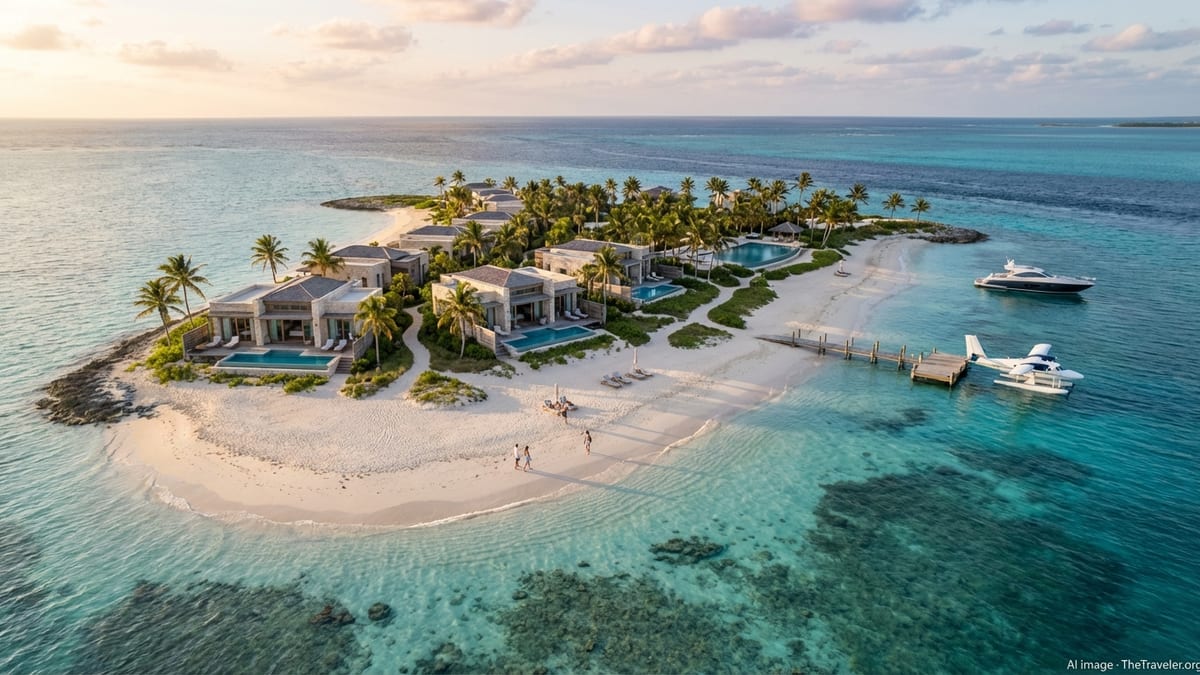
The ban applies to the entire national territory, covering major tourism corridors as well as outlying islands. Reports in regional outlets specify that restrictions extend to tourist zones, private resorts and destinations branded and operated by international cruise companies, including privately leased islands that are normally perceived by visitors as self-contained vacation bubbles.
This extension means that high-traffic spots such as downtown Nassau, Cable Beach and Paradise Island will suspend alcohol sales in bars, beach clubs and hotel venues during voting hours. For cruise passengers, the pause will be most visible at popular private-island stops where cocktails and all-inclusive beverage packages are typically central to the experience.
Travel-industry coverage notes that cruise operators have been advising guests that they will comply with local law on Bahamian soil, even when those facilities are marketed as exclusive company destinations. While on-board bars remain governed by maritime regulations once ships are in international waters, any venue operating under a Bahamian licence on election day falls under the national ban.
Tourism Machine Meets Democratic Ritual
The timing of the restriction coincides with a period of strong tourism performance. Recent figures from the Central Bank of The Bahamas cited in regional business reporting show visitor numbers rising into 2026, with cruise arrivals driving much of the growth. That momentum has translated into busy port calls at Nassau and packed itineraries that weave through private islands and resort harbors.
For local businesses, even a single day without alcohol sales during peak daylight hours can represent a noticeable dip in revenue. Beach bars, cocktail-focused venues and excursion operators that bundle drinks into their packages are expected to lean on food, activities and non-alcoholic beverages to soften the impact.
Observers note that the measure also underscores how closely the Bahamian economy is intertwined with tourism. A regulatory decision designed to safeguard the conduct of elections is felt immediately in frontline sectors such as hospitality, cruising and entertainment, where visitor expectations often center on carefree indulgence.
Despite this, the ban remains limited in scope. It lasts only for the official polling period, and businesses are permitted to resume normal alcohol service once voting ends, allowing nightlife venues to reclaim some trade later in the evening.
Cruise Lines Adjust Operations and Guest Messaging
The ban has prompted targeted operational adjustments from major cruise brands. Travel blogs and cruise-focused news sites report that companies have issued advisories for sailings scheduled to call at Bahamian ports on 12 May, clarifying that alcohol service will pause while ships are docked at affected destinations such as Nassau and private islands within Bahamian jurisdiction.
For guests visiting branded islands, the change will most likely be felt at swim-up bars, beach clubs and lounges where alcohol is usually available throughout the day. Some operators are signaling that entertainment and dining programs will proceed as planned, but with menus temporarily reoriented around soft drinks, mocktails and other non-alcoholic options.
On social media, a number of travelers have expressed frustration after learning of the restriction close to departure dates, particularly those who booked celebrations or group trips built around beach-party atmospheres. Industry commentators, however, point out that election-related alcohol rules are relatively common in some destinations and that cruise itineraries are generally subject to local law whenever ships call at foreign ports.
Once vessels leave Bahamian territorial waters after the close of polling or sail onward to non-Bahamian ports, on-board alcohol policies are expected to revert to normal, restoring beverage package access and standard bar service.
Balancing Electoral Order and Visitor Expectations
Election-day alcohol restrictions are intended to support public order and the integrity of the voting process, and similar rules exist in parts of Latin America and Asia. In the Bahamian context, the Parliamentary Elections Act’s suspension of liquor licences reflects a view that limiting access to alcohol during polling hours can help reduce the risk of disturbances or undue influence.
For tourism operators, the challenge lies in aligning with that public-policy objective while preserving the country’s reputation as a relaxed, visitor-friendly destination. Travel analysts suggest that clear pre-trip communication, flexible excursion planning and an emphasis on family activities, culture and nature-based experiences can help offset disappointment among guests who expected uninterrupted bar service.
Some observers also see the quiet daytime hours as an opportunity to spotlight aspects of Bahamian life that are not centered on nightlife, from historic walking tours in Nassau’s downtown to visits to local markets and cultural sites. With voting set to conclude by early evening, businesses hope that a short, legally mandated pause will be outweighed by the long-term benefits of a stable democratic process in a destination whose economy depends so heavily on global confidence.