


More news on this day
Operations at London Heathrow Airport were hit by significant disruption as nearly 200 British Airways flights were delayed and a cluster of services cancelled, unsettling tight travel schedules on key domestic and long haul routes.
Get the latest news straight to your inbox!
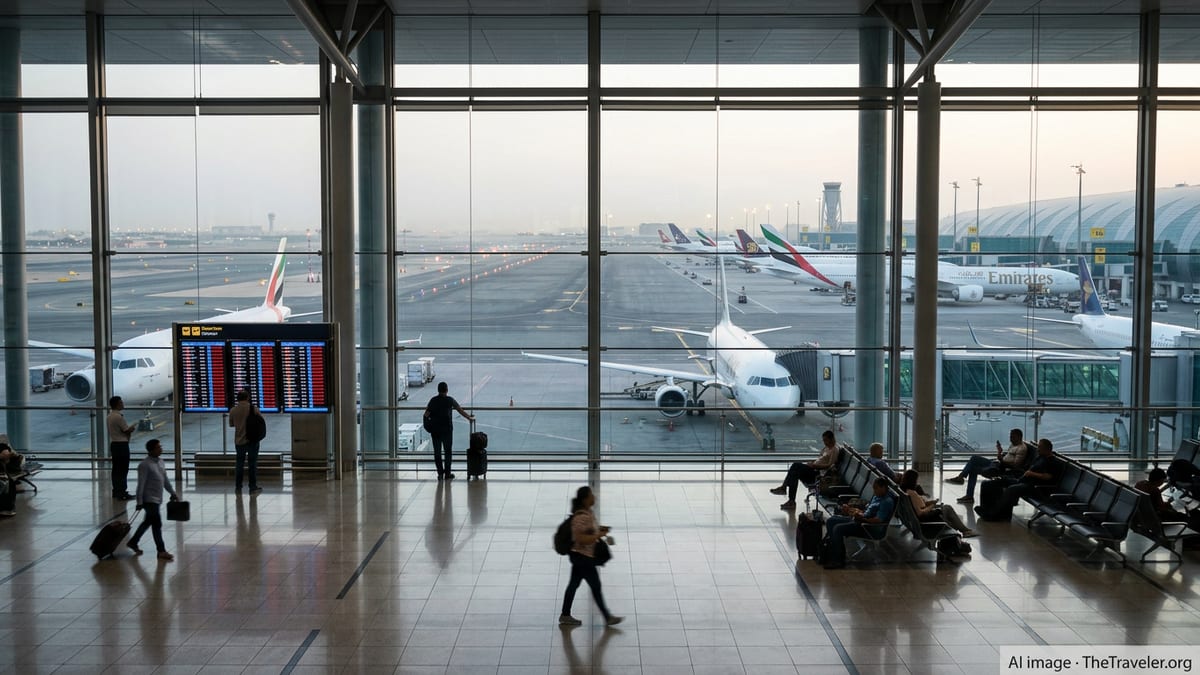
Wide Ripple Effect Across Heathrow Operations
Publicly available flight tracking data and airport departure boards on Saturday indicate that around 199 British Airways services operating in and out of London Heathrow encountered delays, with at least 13 flights cancelled outright. The disruption affected movements across the carrier’s main hub at Terminal 5 as well as selected operations at other Heathrow terminals, creating queues at check in, longer than usual wait times at security, and congestion around customer service desks.
The pattern of disruption shows a mix of short haul and long haul services impacted, with delays ranging from modest schedule slips to several hours. For many passengers, the immediate consequence was missed connections and the need for same day rebooking, hotel stays, or complete changes to their itineraries. Reports from travellers on social media platforms described crowded gate areas and rolling departure time changes displayed on airport screens.
While Heathrow regularly manages periods of heavy traffic, the scale of the latest disruption has drawn attention because of the concentration on a single carrier and the importance of the affected routes in British Airways’ global network. Schedules used by frequent business travellers, summer holidaymakers, and transit passengers relying on tightly timed connections were all affected.
Flagship Long Haul Routes to Mumbai, New York, Dubai, Singapore, and Toronto Affected
The wave of delays and cancellations has been particularly disruptive on several of British Airways’ flagship long haul routes linking Heathrow with Mumbai, New York, Dubai, Singapore, and Toronto. These city pairs are central to British Airways’ intercontinental reach, carrying a high volume of business and leisure passengers and feeding onward connections across Asia, North America, and the Middle East.
Data from timetable information and recent flight status reports highlight the strain on services such as BA199 between London Heathrow and Mumbai, as well as return flights from India that connect into the carrier’s North American and European network. Travellers connecting through Heathrow from South Asia to North America reported missed onward flights and overnight delays, underlining the vulnerability of complex itineraries when a hub operation experiences widespread disruption.
North Atlantic services have also been affected, including departures to New York and Toronto that are typically among the most heavily booked flights in the network. Toronto bound services, such as BA093 from Heathrow to Pearson International Airport, have appeared as cancelled or significantly delayed on some flight status platforms, contributing to uncertainty for passengers planning transatlantic journeys.
On routes to the Gulf and Southeast Asia, the wider backdrop includes previously announced suspensions of some British Airways flights to Dubai and adjustments on services connecting London with Singapore. When combined with the latest day of operational disruption at Heathrow, these schedule changes further reduce flexibility for travellers who might otherwise have been able to switch to alternative departures on the same airline.
Knock On Consequences for Domestic and European Connections
The disruption has not been limited to intercontinental flights. British Airways’ dense web of domestic and European routes from Heathrow has also felt the impact, with delayed arrivals from UK cities and the continent rippling through to later long haul departures. Heathrow’s role as a connecting hub means that small delays early in the day can compound, reducing the available time for transfers and making it harder to recover the schedule.
Passengers arriving from domestic points such as Manchester, Edinburgh, and Belfast, as well as short haul destinations across mainland Europe, have reported missed long haul connections due to late inbound flights. In many cases, the minimum connection times that usually allow for smooth transfers proved insufficient once boarding for onward flights closed or when security queues lengthened.
This pattern reflects the interconnected nature of hub operations. A delayed arrival from a European city can delay the same aircraft’s departure to a long haul destination such as New York or Singapore. As aircraft, crew, and airport infrastructure are all tightly scheduled, a disruption in one part of the system can quickly lead to further delays and occasional cancellations elsewhere.
Passenger Rights, Rebooking Options, and Compensation
Publicly available guidance from British Airways explains that passengers whose flights are delayed or cancelled may be eligible for a range of support measures, including rebooking on the next available service, refunds in certain circumstances, and assistance with meals or accommodation when overnight stays become unavoidable. The airline’s online information notes that travellers can manage many of these options via digital channels, though on days of heavy disruption those systems can themselves become strained as demand spikes.
Under UK and European consumer regulations, travellers whose flights depart from the United Kingdom and are significantly delayed or cancelled may be entitled to compensation, depending on the cause of the disruption and the length of the delay. Passengers are generally encouraged, in publicly available consumer guidance, to retain receipts for necessary expenses such as meals or hotels if they must wait for alternative flights, as these can form part of later reimbursement claims.
For those facing missed connections on multi segment itineraries, standard practice outlined in airline documentation is that tickets booked on a single reservation are usually protected, allowing rebooking onto later services to reach the final destination. However, when large numbers of flights are disrupted simultaneously, available seats on alternative departures can be limited, meaning some travellers may have to wait until the following day or accept rerouting via different cities.
Travel industry commentators often note that passengers can reduce risk during periods of known disruption by allowing longer connection times at major hubs, checking in online early, and monitoring real time flight status before departing for the airport. The disruption at Heathrow reinforces these recommendations, particularly for itineraries that rely on short transfer windows between domestic, European, and long haul services.
Broader Pressures on Summer Travel and Heathrow Capacity
The latest day of severe disruption at Heathrow comes against a backdrop of strong demand for air travel heading into the peak summer season. Industry data and published commentary point to aircraft operating at high load factors on many European and long haul routes, with carriers pushing their schedules close to the limits of available slots and resources.
Heathrow, as the United Kingdom’s busiest airport and one of Europe’s key hubs, already operates near capacity during peak hours. Any combination of technical issues, air traffic control restrictions, staffing challenges, or severe weather can therefore have an outsized impact on the smooth running of daily operations. When these pressures converge on a single airline that accounts for a large share of movements at the airport, the result can be widespread delays and cancellations of the sort seen in the latest disruption.
Travel analysts suggest that passengers transiting major hubs such as Heathrow this summer may continue to encounter periods of irregular operations, especially on days affected by storms, airspace restrictions, or knock on effects from earlier disruptions. Many are advising travellers to build extra resilience into their plans by choosing earlier departures where possible, avoiding the tightest connection times, and ensuring they understand their rights to rebooking and assistance should problems occur.
For now, the immediate focus for travellers caught up in the disruption remains securing alternative flights and adjusting onward arrangements. As operations gradually stabilise, attention is likely to turn to how airlines and airports can improve resilience at key hubs so that single day shocks do not so quickly cascade into large scale travel chaos.