


More news on this day
UK holidaymakers heading to Europe are facing mounting disruption at airports and ferry ports as the European Union’s new biometric border system beds in, triggering long queues, missed departures and fresh warnings to arrive significantly earlier for flights.
Get the latest news straight to your inbox!
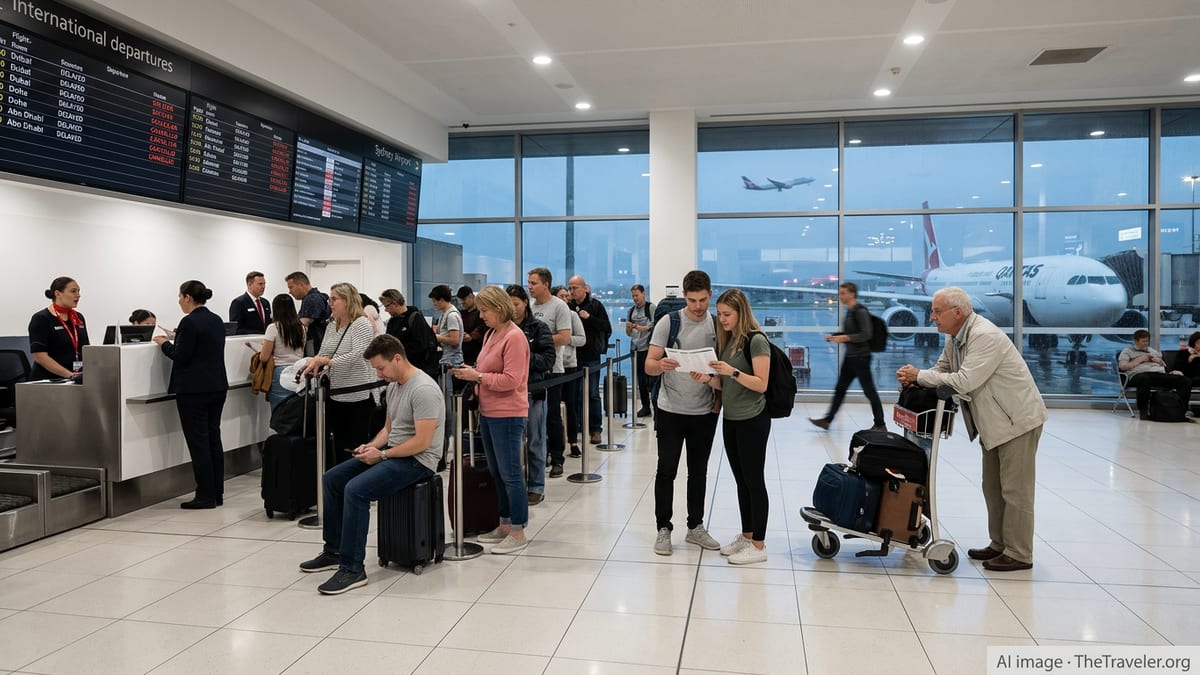
Biometric Border Shake Up Hits Peak Travel Season
The European Union’s Entry Exit System, a digital register of non EU nationals crossing the bloc’s external borders, became fully operational in April 2026 after years of delay. The system replaces manual passport stamping for short stay visitors with biometric checks that capture fingerprints, facial images and key travel details at automated kiosks or manned booths.
For UK passport holders, who are now treated as third country nationals after Brexit, the change means an extra layer of processing each time they enter the Schengen area. First time registration is the most time consuming step, with passengers required to complete on screen questionnaires and present documents while their biometric data is captured and stored.
Industry bodies and travel risk consultancies report that while some major hubs appear to have adapted quickly, the combination of new hardware, unfamiliar procedures and tight staffing is already stretching border control capacity elsewhere. Airports in Belgium, Italy, Germany, Greece, Portugal and Spain have all been highlighted in recent coverage for experiencing longer than usual queues at peak times.
As the late spring getaway period ramps up into the main summer season, UK travellers are at the sharp end of these growing pains. Many of the worst bottlenecks are occurring on traditional leisure routes from British cities to Mediterranean resorts and popular city break destinations within the Schengen zone.
Long Queues, Missed Flights and “Unacceptable” Waits
Reports from across the continent point to a patchwork of experiences, ranging from relatively smooth flows at well prepared terminals to severe delays where the new process is still bedding in. Airport associations have warned that border control processing times have increased by up to 70 percent in some locations, with waits of two to three hours being reported at busy periods.
In Italy, local coverage described three hour queues at Milan Linate’s passport control in April, where new checks contributed to more than 100 passengers missing an evening flight to Manchester after they were unable to clear the border in time. Consumer reports indicate that similar problems have intermittently surfaced at other Italian and Spanish gateways when several international arrivals land close together.
In Belgium, Brussels Airport has publicly raised concerns about what it describes as totally unacceptable waiting times at border control, warning that the combination of EES procedures and summer traffic could tip operations into what it characterises as absolute chaos without rapid mitigation. Travellers transiting through Frankfurt, Lisbon and certain regional hubs have shared accounts of extended queues for non EU passengers as kiosks struggle to keep pace with demand.
The disruption is not confined to air travel. At the Port of Dover, extra checks related to the new rules have already been suspended during a recent peak weekend after hours long tailbacks built up for car and coach passengers heading to France. Although such flexibilities exist within the regulations, transport and tourism groups argue that relying on last minute suspensions risks creating confusion and inconsistent experiences for travellers.
Why UK Travellers Are Feeling the Impact So Strongly
Several factors are combining to make British holidaymakers particularly vulnerable to EES related disruption. Since the UK left the EU, British tourists no longer benefit from the shorter EU or EEA passport lanes and are processed instead as third country nationals, alongside visitors from other visa exempt states such as Canada and the United States.
Because of the sheer volume of UK leisure traffic into Schengen destinations, especially during school holidays and bank holiday weekends, even small increases in processing time per person can quickly multiply into long queues. Airlines and airport groups point out that many terminals were already operating close to capacity at peak times, leaving limited slack to absorb the extra steps involved in biometric enrolment.
Border authorities also have to balance the need to register sufficient numbers of travellers under the new system with the operational realities of high season. European Commission guidance allows member states to partially suspend EES or apply it to only a portion of eligible passengers when queues become unmanageable, but trade associations warn that the current thresholds still risk leaving travellers stuck in line for hours at the busiest crossings.
For UK visitors, the impact is amplified by onward travel patterns. Missed connections, delayed transfers to cruise terminals and late arrivals at resort areas are all more likely when inbound passengers queue for extended periods at the first Schengen airport they land in. Travel insurers and consumer advocates are already flagging the potential for disputes when itineraries fall apart because of border delays beyond passengers’ direct control.
Calls for Flexibility as Industry Warns of Summer Strain
Airports and airlines operating in the Schengen area are intensifying calls for more flexibility in how EES is applied over the coming months. Joint statements from industry groups urge the European Commission and national governments to make maximum use of the option to reduce or temporarily suspend biometric registration during the main summer season, arguing that doing so would minimise disruption while infrastructure and staffing continue to catch up.
In Spain, one of the most popular destinations for British holidaymakers, low cost carriers have publicly renewed demands for the government to pause strict application of the new system until after the peak period. They point to hour long queues for UK arrivals over the May bank holiday as an indication that current arrangements are not sufficient to keep flows moving smoothly at major resorts.
Airport associations emphasise that investment in additional kiosks, better queue management and clearer passenger information can ease some of the strain, but caution that technology alone will not resolve capacity constraints if staff numbers remain static. They argue that, in the short term, giving front line border teams greater discretion over which passengers must complete full biometric enrolment on any given day is the most realistic way to prevent four hour waits becoming commonplace.
Meanwhile, European institutions are pressing ahead with related travel rule changes. The planned ETIAS electronic travel authorisation, which will eventually require most visa exempt visitors, including Britons, to apply online before entering the Schengen area, is scheduled to follow once EES is fully embedded. Travel analysts note that while ETIAS is designed to work largely in the background, it adds another layer of pre travel administration for UK residents planning European breaks.
Practical Advice for UK Holidaymakers Heading to Europe
Against this backdrop, airlines, airports and travel organisations are updating their advice to customers. Several carriers serving popular Spanish and Central European routes are now recommending that UK passengers allow at least three hours between arrival at the airport and scheduled departure when flying home from Schengen destinations, with even longer margins suggested at known bottlenecks during school holidays.
Guidance from consumer groups and travel risk advisers stresses the importance of building more slack into itineraries. Travellers with onward rail tickets, cruise embarkations or separate connecting flights are being urged to leave additional time between sectors, particularly where the first leg involves entering the Schengen area for the season’s initial biometric registration.
Passengers are also encouraged to complete any pre registration steps offered by airlines, airports or official mobile applications where available, as this can reduce the amount of data entry required at the border. Keeping passports easily accessible, travelling with updated contact details for carriers and monitoring airport communications in the days before departure are all cited as practical measures that can help mitigate the impact of last minute changes.
Although early experience with the new system has been uneven, many aviation and tourism specialists believe that once initial enrolments are completed and technical problems resolved, the digital border regime should eventually shorten queues compared with traditional stamping. In the meantime, however, UK travellers heading for European beaches and city breaks this summer are being advised to prepare for the possibility that getting through passport control may take considerably longer than it did just a few years ago.