


More news on this day
A 49-year-old man died in Abilene, Texas, after being struck by a train in the early hours of June 27, 2026, near South First Street, according to publicly available local information.
Get the latest news straight to your inbox!
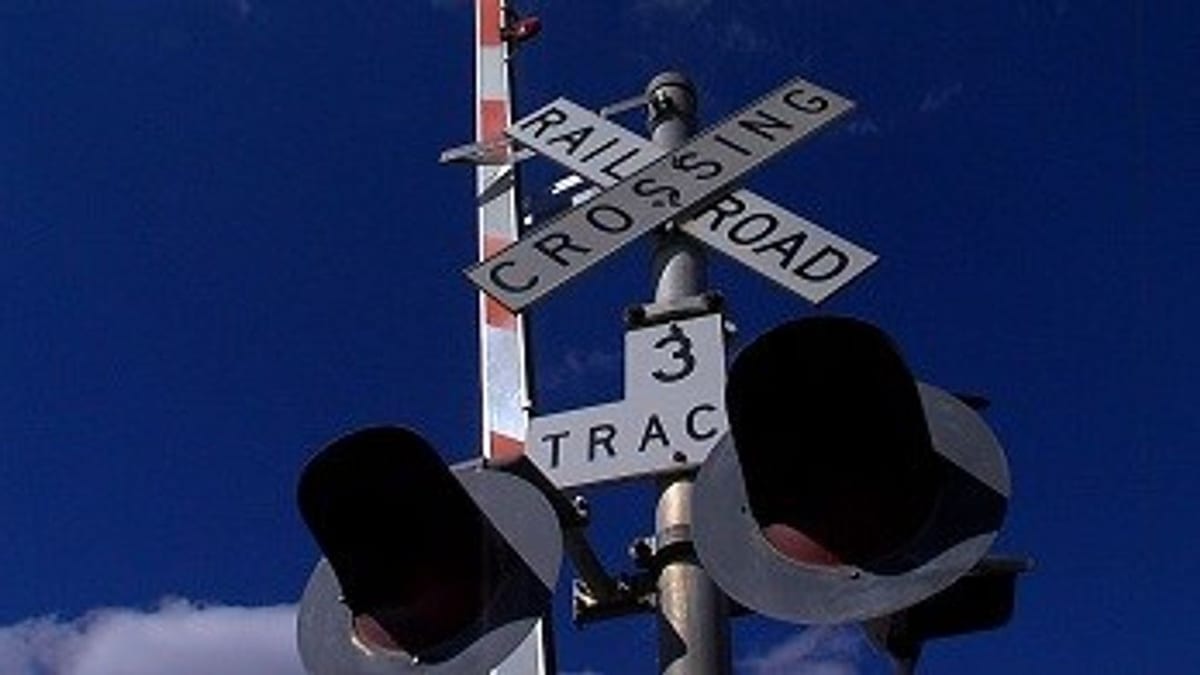
Early-morning collision near central Abilene
Published city information indicates that emergency crews were called to the 1900 block of South First Street shortly after 2 a.m. on Saturday, June 27, where a pedestrian had been hit by a passing train. The location lies just southwest of downtown Abilene, in an area where freight rail tracks run close to businesses, residential streets, and a busy roadway corridor.
Reports describe the victim as a 49-year-old man who was pronounced dead at the scene. No additional personal details had been widely circulated in public records at the time of writing, as officials worked through standard identification and notification procedures for next of kin.
Initial summaries of the incident state that the train was traveling through the area when the collision occurred, leading to a temporary disruption along the rail line and on portions of South First Street while first responders secured the site and documented conditions.
Ongoing inquiry into circumstances of the crash
Available local notices indicate that the incident is being treated as a death investigation, a common designation in serious crashes where investigators are working to understand how and why a person came into the train’s path. That process typically includes reviewing train data, gathering statements from train personnel if available, and assessing the physical layout of the tracks, nearby crossings, and visibility at the time of the crash.
Given the pre-dawn timing of the collision, lighting conditions, sight lines along the right of way, and the presence or absence of designated pedestrian routes are expected to be among the factors examined. Investigative work in similar train-pedestrian cases often looks at whether the person was using an authorized crossing or traversing the corridor at an undesignated point.
Publicly available information does not yet indicate any contributing factors such as the speed of the train or the actions of the pedestrian immediately before impact. Investigative findings in previous rail-related fatalities around the country have sometimes taken weeks or months to be fully compiled and released, suggesting that more detailed insight into this Abilene crash may emerge over time.
Rail corridor and traffic context along South First Street
The section of South First Street where the collision occurred is part of a corridor in which active freight rail lines run parallel to or intersect with city streets, creating multiple points of interaction between trains, drivers, cyclists, and pedestrians. In communities like Abilene, these rail routes serve freight operations across West Texas but also present ongoing safety challenges where urban growth has placed homes and businesses close to long-established tracks.
Crossings near South First Street range from fully signalized intersections to more basic configurations, depending on traffic volumes and historic patterns. For people traveling on foot, crossing rail lines can be particularly complex when sidewalks, refuge areas, and marked pedestrian routes are limited or require detours.
National transportation safety data show that train-pedestrian incidents often occur away from formal crossings, especially where residents have grown accustomed to informal paths across the tracks. Urban and regional planners increasingly point to the need for clearer physical separation, improved fencing or barriers, and safer designated crossing points in areas where people routinely walk near rail infrastructure.
Broader concerns about train-pedestrian safety
Across the United States, rail safety advocates have drawn attention to the persistent risk faced by pedestrians near active tracks, particularly in areas where trains move through older city neighborhoods. Statistics compiled at the federal level over recent years indicate that fatalities involving people on foot and trains remain a significant share of serious rail incidents, even as technology and signaling systems have improved.
Organizations focused on crossing and track safety regularly encourage communities to pair infrastructure upgrades with public information campaigns. Such efforts emphasize basic guidance like staying off the tracks except at marked crossings, avoiding distractions from mobile devices or headphones near rail lines, and recognizing that trains may be quieter or moving faster than they appear.
Observers note that incidents in smaller cities, including places like Abilene, highlight how freight corridors that once sat at the edge of town now run through more densely used spaces. As residential and commercial development continues, pressure grows for local and regional stakeholders to reassess how people move around these corridors and what changes could reduce exposure to fast-moving trains.
Community impact and next steps
The death of the 49-year-old man near South First Street adds a new layer of concern to conversations about transportation safety in and around Abilene. While day-to-day rail operations are generally routine, severe incidents can leave a lasting mark on neighborhoods that border the tracks, from the immediate emotional toll on those who knew the victim to heightened anxiety among residents who often walk or drive across nearby crossings.
Publicly available information indicates that follow-up work on the crash remains in progress, and further details about the sequence of events may be released as documentation and reviews are completed. In past cases, local authorities and community groups have sometimes revisited signage, access points, and education campaigns after serious incidents, seeking ways to limit the likelihood of similar tragedies.
For travelers passing through Abilene, the crash serves as a reminder that active rail corridors remain a prominent feature of the city’s transport landscape. Whether moving by car, bicycle, or on foot near South First Street and similar routes, heightened awareness of train movements and adherence to marked crossings are central to safely navigating the shared spaces where rail lines and city streets intersect.