


More news on this day
A 49-year-old man from Abilene, Texas, died after being struck by a Union Pacific freight train in the early morning hours of Saturday, June 27, 2026, in a collision that has renewed attention on rail safety around one of the city’s busiest corridors.
Get the latest news straight to your inbox!
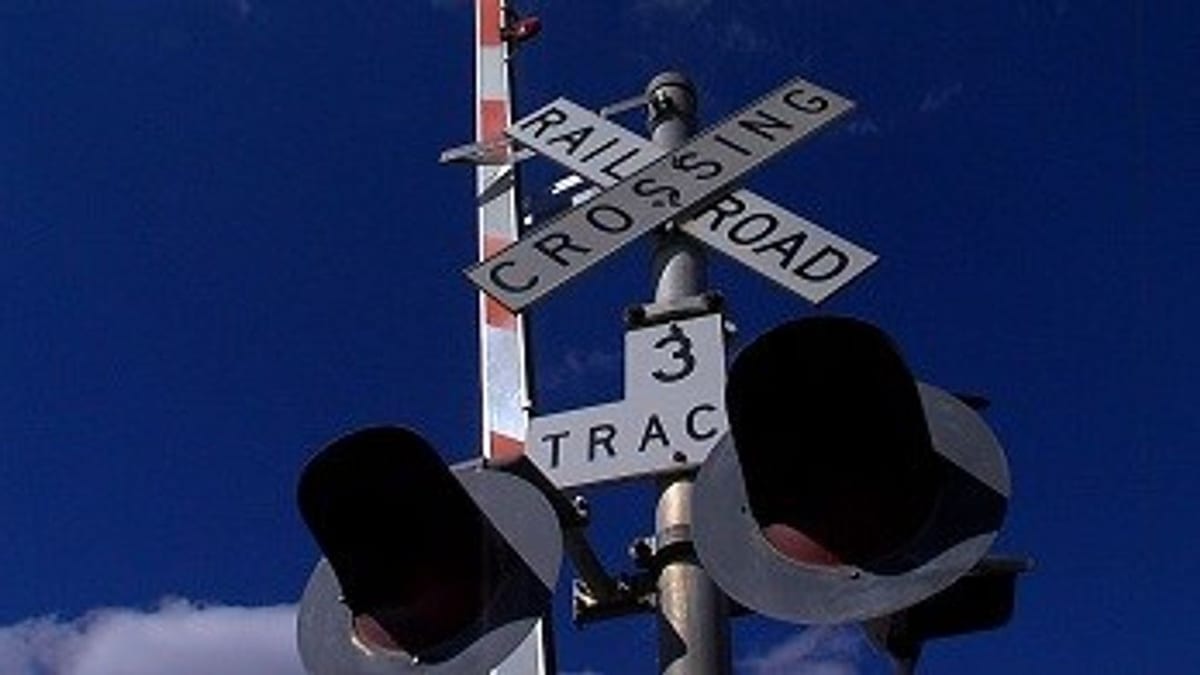
Early-morning collision near South First Street crossing
Publicly available information from the City of Abilene indicates the collision occurred just after 2 a.m. in the 1900 block of South First Street, close to the Sayles Boulevard crossover on the city’s south side. A Union Pacific freight train traveling through Abilene reported striking an individual who was on the tracks in the area.
Initial summaries of the incident describe the event as a fatal train versus pedestrian collision, with the man on the rail line at the time of impact. The train continued through the area before coming to a stop, and the incident was logged as a death investigation under local procedures.
The victim has been publicly identified as 49-year-old Johnny Burchfield of Abilene. Available reports indicate that next of kin were notified before his identity was released, consistent with standard practice in similar fatal transportation incidents.
The section of track where the collision occurred runs parallel to South First Street, a long-established transportation corridor that mixes rail, vehicle, and pedestrian activity, particularly near crossovers and commercial areas.
Ongoing investigation into circumstances on the tracks
According to summaries provided through city news releases, the collision remains under active investigation. Early information notes that the man was on the tracks when the train passed through the area, but it does not specify why he was there, whether he was attempting to cross, or whether other factors may have contributed.
At this stage, publicly available information does not reference any criminal charges or traffic citations related to the incident. In similar rail fatalities, investigators typically review train speed, signaling, visibility, and any available video from locomotive cameras, along with toxicology and other background information on the pedestrian’s actions before the collision.
Death investigations of this kind often take weeks to finalize as officials collect reports, reconstruct the sequence of events, and coordinate with rail operators. Any formal findings about contributing factors are generally released later through official summaries or public records rather than in the immediate aftermath.
The investigation in Abilene is unfolding against a broader backdrop of concern about pedestrians on or near active rail lines, an issue that has been documented in prior rail incidents both in Texas and nationwide.
Rail safety concerns along busy Texas corridors
The fatal collision in Abilene highlights long-standing safety concerns at locations where busy freight routes intersect with urban neighborhoods. South First Street and nearby crossings sit along a corridor that carries regular train traffic through the city, placing powerful, high-speed locomotives close to residential and commercial areas.
Transportation safety materials emphasize that freight trains require considerable distance to stop and that modern locomotives can be quieter than many pedestrians expect, especially at night. National and state-level awareness campaigns frequently stress that tracks, trestles, and rail rights-of-way are private property and should not be used as shortcuts or walking paths.
Across Texas, recent coverage has noted other fatal incidents involving pedestrians and trains, reflecting a pattern in which people on or near tracks face a high risk of severe injury or death. While each case involves unique local circumstances, safety advocates often point to recurring themes such as reduced nighttime visibility, distraction, and misjudgment of train speed and distance.
In cities like Abilene, where rail corridors predate much of the surrounding development, balancing the movement of freight with the safety of residents has become an ongoing challenge that involves both infrastructure and education.
Community impact and questions about prevention
The death of Johnny Burchfield has added a new layer of concern in Abilene over the safety of people moving around the city’s rail lines, particularly in areas where foot traffic and vehicle traffic converge near crossings. Although immediate details are limited, the event has prompted discussion about how to reduce future risk along the South First Street corridor.
When similar incidents occur elsewhere, communities have often examined options such as clearer signage, additional fencing, improved lighting, and targeted public-information efforts about the dangers of accessing rail property. Some cities have also evaluated long-term infrastructure projects that separate roadways from tracks, though such changes can be costly and complex.
Local travelers, including drivers using South First Street and nearby cross streets, may feel the effects of the collision most directly through temporary disruptions around the crossing and heightened awareness of passing trains. For many residents, the incident serves as a reminder that freight rail remains an active and powerful presence in the city’s daily life.
As the investigation continues, publicly available information is expected to clarify the sequence of events leading to the fatal collision and may inform future discussions about rail safety measures along Abilene’s busy rail corridors.