


More news on this day
Hundreds of passengers have been left stranded across the United Kingdom after fresh disruption at Birmingham, Edinburgh and major London airports led to 25 flight cancellations and 937 delays, snarling operations at the height of the summer travel rush.
Get the latest news straight to your inbox!
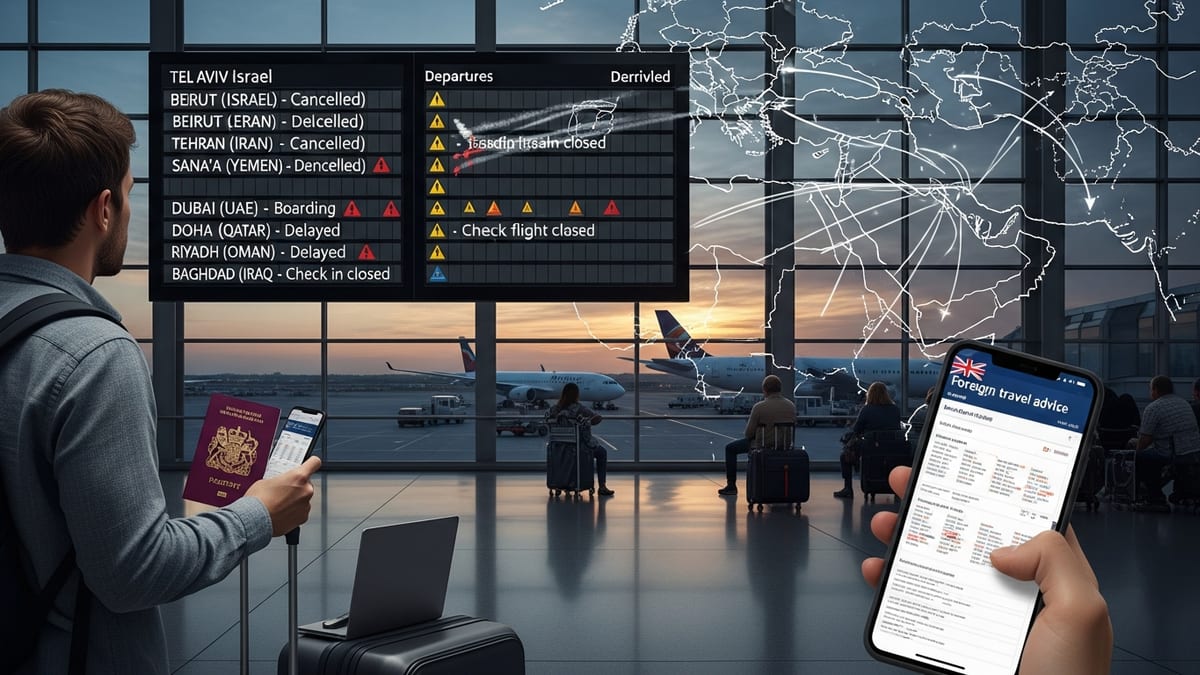
Major UK Hubs Hit by Fresh Wave of Disruption
Publicly available flight-tracking data and industry monitoring platforms indicate that the latest disruption is concentrated at Birmingham, Edinburgh, London City, London Gatwick and London Heathrow, some of the country’s busiest aviation gateways. Across these airports a combined 25 flights were canceled and 937 delayed within a short window, creating bottlenecks that rippled through domestic and international networks.
The pattern reflects an increasingly fragile operating environment for UK aviation in June 2026, with several recent days marked by elevated levels of delays and cancellations. Earlier episodes of disruption at Heathrow, Gatwick and Edinburgh were already reported this month, and the new figures suggest that recovery remains uneven even as airlines attempt to stabilize peak-season schedules.
While the raw numbers are concentrated at London’s large hubs, smaller airports such as Birmingham and Edinburgh are especially vulnerable when even a handful of services fail to operate on time. For travelers, this can translate into missed long-haul connections, curtailed short breaks and the need for last-minute changes to accommodation and ground transport plans.
Terminal congestion also intensified as delayed departures stacked up on departure boards. Passengers reported waiting for hours in crowded gate areas while crews and aircraft were repositioned, with some services repeatedly pushed back before eventually departing late in the day.
easyJet, KLM, Lufthansa and Virgin Atlantic Among Affected Carriers
Analysis of publicly available schedules shows that the disruption has touched a broad mix of European and long-haul airlines, including easyJet, KLM, Lufthansa and Virgin Atlantic. These carriers operate dense networks through UK hubs, so any operational difficulty or knock-on effect elsewhere in Europe can quickly cascade into multiple delayed or canceled rotations.
Low-cost operator easyJet, which has a large presence at Gatwick and an expanding schedule from Edinburgh, appears particularly exposed when congestion builds across the short-haul network. When one aircraft arrives late from a previous sector, subsequent flights can be forced into rolling delays, with turnaround times squeezed and slots at busy airports missed.
Full-service carriers such as KLM and Lufthansa, which funnel passengers through Amsterdam and Frankfurt, face a different kind of vulnerability. Delays or cancellations on UK feeder routes can break onward itineraries to North America, Africa and Asia, requiring significant rebooking efforts and increasing the risk of passengers being stranded overnight away from home.
Virgin Atlantic, meanwhile, relies heavily on transatlantic demand from Heathrow and, to a lesser extent, other London-area airports. When departures are pushed back or canceled, the impact is magnified by the long-haul nature of the routes, with aircraft often tied up for many hours and limited spare capacity available to absorb disrupted travelers.
Operational Pressures and Weather Complications Drive Chaos
Although no single cause has been identified as solely responsible for the spike in UK disruptions, recent patterns point to a combination of operational strains, airspace constraints and localized weather disturbances. Reports from aviation analysts highlight crew and aircraft availability issues, tight turnarounds and knock-on effects from earlier delays in continental Europe as recurring themes.
Short-notice air traffic control restrictions in neighboring countries have recently forced some flights to hold or divert, leading to aircraft and crews being out of position for subsequent sectors into and out of the UK. When these disruptions occur late in the operational day, airlines often have limited options to recover schedules before mandatory crew rest rules take effect.
Seasonal weather also plays a role. Thunderstorms and low visibility can temporarily reduce runway capacity at major hubs, forcing airlines to delay departures or cancel selected flights to keep operations safe. Even when conditions improve, the backlog of aircraft waiting to depart or land can take many hours to clear, particularly at constrained airports such as Heathrow and Gatwick.
Industry observers note that the cumulative effect of these pressures is being felt most acutely on high-frequency short-haul routes, where spare capacity is thin and any missed rotation can affect several later flights in the same day. As a result, travelers are being advised to build additional time into connections and to monitor schedules closely when flying through busy European hubs.
Passenger Experiences: Long Queues, Missed Connections and Hotel Scrambles
The immediate consequence of the latest cancellations and delays has been a familiar picture of long queues at check-in and rebooking desks, crowded departure halls and tired passengers searching for alternative routes. Social media posts and traveler reports describe families camping out on airport floors, business travelers scrambling to rearrange meetings and tourists facing the prospect of losing valuable days from short holidays.
At major hubs, some passengers whose flights were canceled late in the day reported struggling to secure hotel rooms near the airport, as nearby accommodation quickly filled. Others faced extended overnight waits in terminals while they waited for morning departures with available seats, particularly on popular leisure routes already operating close to capacity.
Missed connections have added another layer of complexity. Travelers originating in Birmingham or Edinburgh and connecting via London to long-haul services reported being rebooked onto later flights, sometimes to different destinations with onward links, significantly extending total journey times. For those with fixed check-in windows for cruises, tours or events, the disruption has created significant stress and additional cost.
Despite airlines and airports deploying additional staff in some areas, passenger-rights organizations say many travelers remain unclear about what they are entitled to when flights are heavily delayed or canceled. This uncertainty has contributed to frustration at service desks and on crowded concourses as people attempt to secure meals, hotel vouchers or refunds while information continues to change.
What Stranded Travelers Can Do Right Now
Travel-rights groups and consumer advocates recommend that anyone affected by the current UK disruptions first confirm their flight status directly with their airline or via trusted flight-tracking platforms before leaving for the airport. With schedules changing frequently, a service that appears merely delayed can shift to canceled, or vice versa, at short notice.
Passengers whose flights have been canceled are generally advised to request rebooking at the earliest possible opportunity, as alternative seats on busy routes can sell out quickly. For those willing to be flexible, routing via an alternative European hub may increase the chances of reaching their destination within a reasonable time frame, especially when primary UK gateways are heavily congested.
Under UK and European passenger-protection rules, travelers on canceled or heavily delayed flights may be entitled to care and assistance, including meals, refreshments and hotel accommodation where necessary, along with the choice between a refund and rerouting. Eligibility for additional financial compensation depends on the specific cause of disruption and whether it is considered within the airline’s control.
Given the heightened risk of further disruption as the peak holiday season continues, frequent travelers are also reviewing their strategies ahead of upcoming trips. Recommended steps include allowing longer connection windows, traveling with essential items in carry-on baggage in case of delays, and maintaining digital access to boarding passes, booking references and insurance details to streamline any claims that may follow.