


More news on this day
A fatal train collision in York County is under active investigation, with preliminary reports indicating that at least one person has died and rail operations in the area remain significantly disrupted.
Get the latest news straight to your inbox!
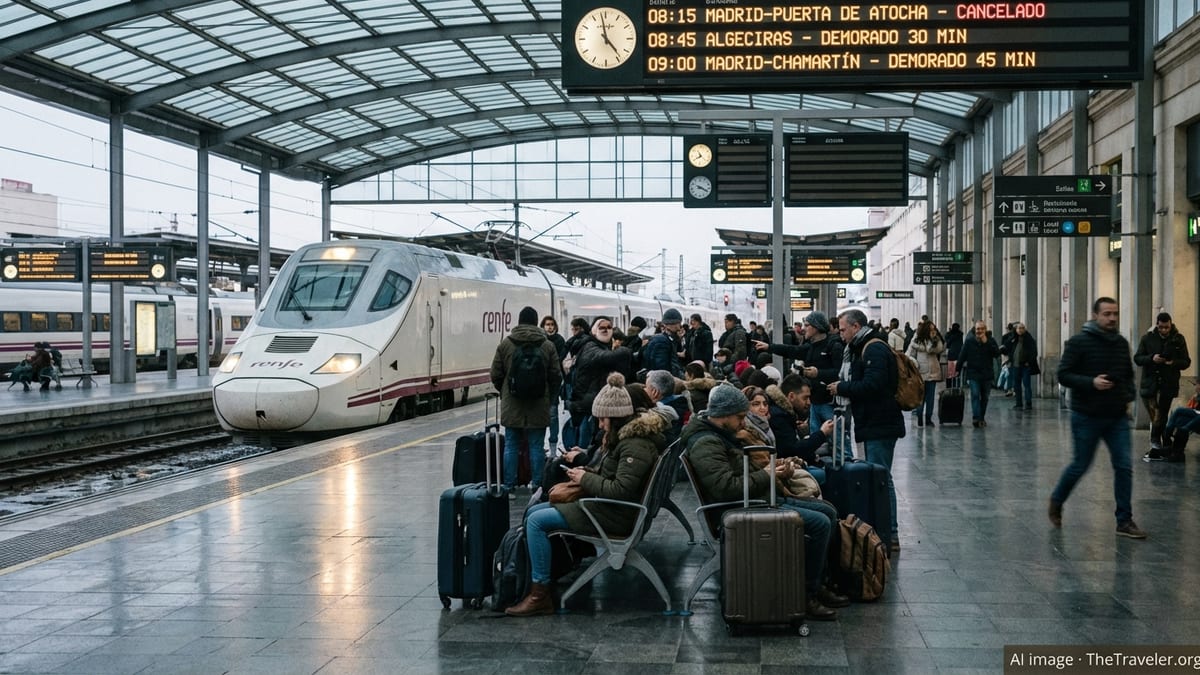
Collision Halts Rail Traffic Through Busy County Corridor
Early reports indicate that the deadly incident occurred at a rail crossing in York County used both by local residents and travelers passing through the region. Rail traffic along the affected line was suspended for several hours while responders documented the scene and began clearing wreckage, leading to knock-on delays for passenger and freight services across a wider area.
Publicly available information describes a severe impact involving a moving train and another party at or near a crossing, resulting in a fatal outcome and extensive damage in the immediate vicinity. Initial accounts point to significant disruption not only on the tracks but also on parallel roadways, where traffic was diverted while investigators worked.
The collision comes at a time of heightened summer travel, when both road and rail volumes in and around York County are typically elevated. For visitors heading to regional destinations, the closure underscores how quickly local infrastructure can be strained when an incident occurs on a key corridor.
Rail operators in the region commonly rely on a mix of at-grade crossings and grade-separated infrastructure. Where tracks intersect with local roads, any serious incident often prompts temporary closures and detailed reviews of signals, signage, and sightlines in order to determine whether additional safety measures are warranted.
What Is Known So Far About the Fatal Impact
According to published coverage, the crash involved a train traveling through York County at the time of impact, after which emergency responders were called to the scene and a fatality was later confirmed. The identity of the person who died, along with full details about their role in the incident, had not been widely released in early reporting.
Available information suggests that investigators are examining train speed, track conditions, visibility at the crossing, and the behavior of any vehicles or pedestrians in the area. These factors are typically central to understanding how rail collisions develop and whether any contributing risks were present in the minutes before the impact.
Standard post-collision procedures usually include downloading data from on-board recorders, reviewing camera footage, and gathering statements from bystanders where possible. Parallel reviews often focus on the history of the crossing, including any prior incidents or complaints related to signals, timing, or driver confusion, especially in locations where major road traffic intersects with a busy rail route.
While the exact sequence of events in this case remains under review, early descriptions of the collision highlight the sudden and devastating nature of rail impacts, which frequently leave very little time for evasive action once a train and another road user are on conflicting paths.
Rail Safety Concerns Highlighted for Residents and Travelers
The York County collision adds to a broader national conversation about safety at rail crossings and the vulnerability of drivers and pedestrians in locations where roads meet active tracks. Even in communities with strong safety records, a single incident of this kind can have lasting effects on how residents and visitors perceive their daily routes.
Transportation agencies and safety advocates frequently emphasize that the sheer mass and speed of trains give them a significant stopping distance, making it difficult for operators to avoid a crash once an obstacle appears on the track. That reality places particular importance on driver behavior at crossings, especially during busy travel periods or in low-visibility conditions.
For travelers passing through York County, the incident is a reminder to approach crossings with caution, respect all signage and signals, and avoid attempting to cross when gates are descending, lights are flashing, or a train is visible. In tourist-heavy seasons, when unfamiliar drivers may rely heavily on navigation apps rather than local knowledge, clear markings and patient decision-making become even more critical.
Local communities often respond to such tragedies by renewing calls for safety upgrades, which can range from better lighting and improved warning systems to the potential closure or consolidation of lightly used crossings. These conversations can take months or years but are frequently shaped by the details uncovered in specific collisions.
Travel Disruptions and What Rail Passengers Can Expect
In the hours after the fatal collision, rail movements through York County were limited while crews worked to secure the tracks, assess damage to infrastructure, and move damaged equipment. Such closures typically result in cascading delays, with trains held at upstream stations, rerouted where possible, or in some cases canceled for the remainder of the day.
Travelers on affected services can usually expect schedule adjustments as rail companies gradually restore operations. In similar incidents elsewhere, options have included short-turning trains before they reach the collision site, arranging bus bridges around the impacted section, and prioritizing certain long-distance or time-sensitive services once tracks reopen.
Passengers planning journeys through the region are often advised, through publicly posted updates, to monitor schedules closely in the days following a serious incident, as speed restrictions and ongoing inspection work can continue to affect timetables even after full closure ends. For some, that may mean longer journey times or the need to consider alternate routes.
For local tourism businesses and hospitality providers, train-related disruptions can have short-lived but noticeable effects. Delayed arrivals, missed connections, and itinerary changes may alter booking patterns and same-day visitation, particularly for travelers who rely on rail for weekend or holiday trips into and out of York County.
Ongoing Investigation and Possible Safety Outcomes
Investigative work following a fatal train collision typically extends well beyond the initial clearance of the scene. Specialist teams often spend weeks analyzing technical data, reviewing maintenance records, and comparing physical evidence from the site with operating rules and safety policies currently in place along the route.
Depending on the findings, recommendations may range from targeted improvements at a single crossing to broader policy changes affecting multiple sites across York County. These could involve updated warning technology, revised train speeds through certain areas, or new community awareness campaigns focused on high-risk intersections.
The York County investigation will also likely be folded into wider rail safety statistics, contributing to trend analyses that help transportation agencies identify where investments are most urgently needed. For travelers, the long-term outcome of such reviews is often seen in gradual changes to the landscape around tracks, from upgraded signage to redesigned road approaches that provide better sightlines and more time to react.
As details continue to emerge, publicly available information from transportation and safety organizations is expected to clarify how this collision unfolded and what steps might reduce the likelihood of a similar tragedy on York County rail lines in the future.