


More news on this day
The UK Foreign, Commonwealth and Development Office has updated its foreign travel advice for 13 countries, including popular holiday destinations Turkey and Egypt, highlighting heightened regional tensions, potential disruption to flights and the importance of checking insurance before travelling.
Get the latest news straight to your inbox!
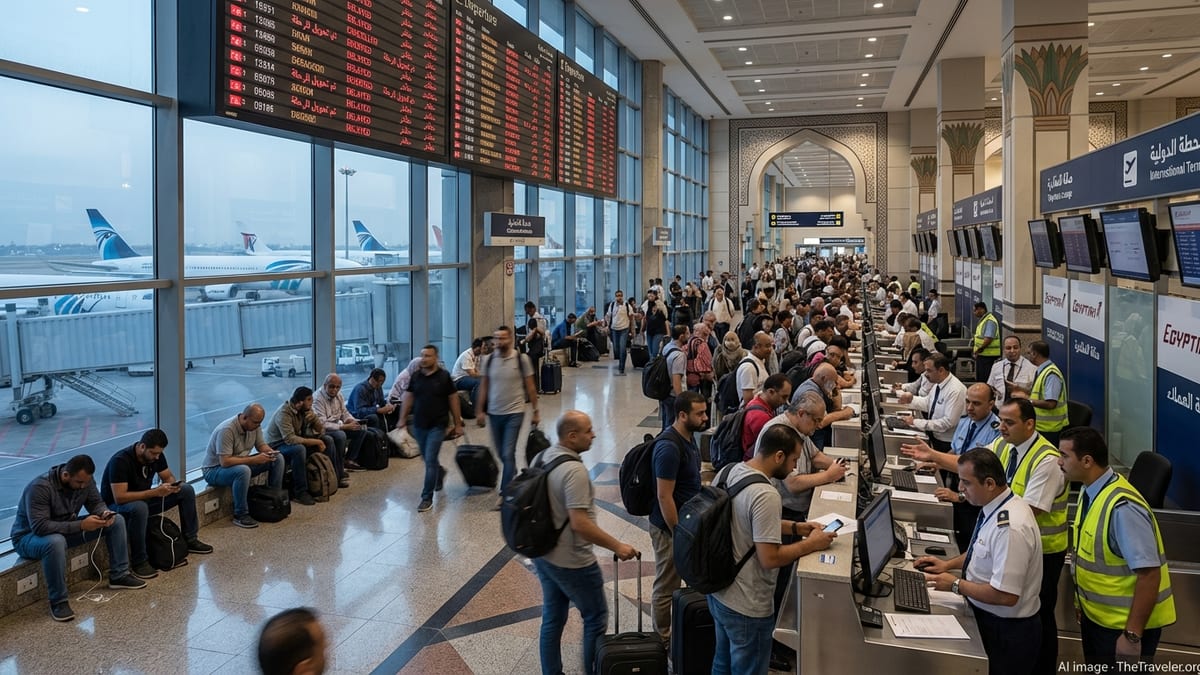
Broader Middle East Tensions Prompt Coordinated Advice Review
Publicly available information on the UK government’s foreign travel advice site shows that officials have carried out a series of updates in late October 2026 across a group of countries affected by the ongoing crisis in the wider Middle East region. The changes, applied to 13 destinations, are framed around the risk of sudden escalation, the possibility of airspace closures and the impact this could have on commercial flights.
The advisory language stresses that British nationals travelling in or transiting through the region should be prepared for short-notice disruption to routes and schedules. Guidance now points travellers to crisis-preparedness information, encourages close monitoring of local and international news, and recommends that people keep their departure plans under regular review in case conditions deteriorate.
Travel industry bodies and risk consultancies that track official notices have reported a pattern of more frequent, targeted revisions since early 2026, as governments respond to missile and drone incidents, cyber activity and proxy confrontations across the Middle East. These cumulative changes underpin the latest FCDO round of updates covering destinations from North Africa to the Gulf.
The current advice emphasises that risk levels can shift at short notice and that decisions on whether to travel should be based on the latest version of each country page, rather than historic assumptions or past trips.
Turkey: Regional Risk Highlighted Despite Open Tourist Routes
The FCDO’s Turkey travel advice, last updated on 27 October 2026, maintains long-standing cautions against all travel to defined areas within 10 kilometres of the border with Syria because of the risk of terrorism and armed conflict. The update also refines language on “regional tensions,” noting that the security environment in the broader Middle East remains unpredictable and that there have been strikes and retaliatory attacks in several countries.
In practical terms, the core tourism destinations for British visitors, such as Istanbul, Antalya and other Aegean and Mediterranean resorts, remain outside the areas where the UK government advises against travel. However, travellers are urged to stay away from military or security facilities, avoid demonstrations and follow local security announcements, particularly in larger cities where high-profile diplomatic or commercial sites may be located.
The Turkey page now places stronger emphasis on contingency planning. Travellers are advised to keep passports and essential documents readily accessible, familiarise themselves with shelter options in accommodation or public buildings, and be aware that airspace restrictions elsewhere in the region could lead to delays or rerouting, even if Turkey itself is not directly impacted at a given moment.
Specialist travel-risk bulletins note that several allied governments, including Canada, Australia and New Zealand, continue to advise against visiting areas close to the Syrian border while maintaining a more permissive stance toward coastal and major urban centres. This broad alignment underlines that the UK update reflects a shared outlook on Turkey’s internal and regional security picture rather than an isolated national assessment.
Egypt: Popular Resorts Open but Security Picture Under Scrutiny
For Egypt, tour operators and advisory services summarising the latest FCDO material indicate that there are currently no blanket restrictions on travel for most of the country, including key tourist areas along the Nile and Red Sea resorts such as Hurghada and Sharm el Sheikh. This is consistent with messaging seen across the travel trade, which continues to promote winter-sun packages while drawing attention to official safety guidance.
At the same time, foreign ministries in several countries distinguish between mainstream holiday destinations and higher-risk regions such as North Sinai, where long-running security operations continue. Travellers are typically advised to avoid border zones, follow any checkpoints or curfews that may be in place and stay clear of political gatherings or large, unplanned crowds in major cities like Cairo and Alexandria.
Recent advisories also reference the potential knock-on effects of regional instability on air travel to and from Egypt. Travellers are encouraged to monitor airline notifications closely in the days before departure and to check whether their tickets allow for date changes if routes are altered at short notice due to airspace management decisions outside Egyptian territory.
Health and entry information remains an integral part of the government advice. Publicly available data shows that Egypt continues to apply enhanced health screening at some ports of entry during specific outbreaks abroad, and certain passengers may be asked to present evidence of vaccination against diseases such as yellow fever if arriving from affected countries or recent transit points.
Insurance, Bookings and What the Changes Mean for Travellers
The FCDO’s latest language for Turkey, Egypt and the wider group of 13 countries reiterates that travel insurance policies may be invalidated if holidaymakers go to areas where the UK government explicitly advises against all travel or against all but essential travel. Consumer groups and industry associations highlight this point as one of the most significant practical consequences of an advisory change.
Travel agents report that tour operators generally allow customers to amend or cancel bookings without standard penalties when new FCDO advice is issued against a destination or region covered by their package, because operating there could be considered unsafe or uninsured. Travellers who have booked flights and accommodation separately, however, may need to negotiate individually with airlines and hotels, sometimes relying on flexible fare conditions rather than automatic entitlement.
Risk-management briefings produced for corporate and institutional travellers add that companies are increasingly tying their internal travel approvals to official government advisories. When a destination moves into an “all but essential” or higher-risk category, many organisations suspend non-critical trips and require senior-level sign-off for any remaining travel that must still go ahead.
For leisure travellers considering Turkey, Egypt or other affected countries, the practical guidance emerging from the latest updates is to check the exact wording on the FCDO website on the day of booking and again shortly before departure, confirm that insurance explicitly covers the intended itinerary and keep contact details for airlines and tour providers readily at hand.
How the 13-Country Update Fits into a Changing Risk Map
The decision to refresh advice for 13 destinations at once reflects what regional security analysts describe as a more dynamic risk map covering the Middle East, North Africa and adjacent corridors. Routes used by long-haul flights between Europe and Asia, maritime choke points and energy infrastructure all feature in current scenario planning, with potential implications for tourism flows.
Recent communications from industry bodies such as ABTA point to Saudi Arabia’s advice level, which has shifted to a more restrictive category for UK travellers in mid October 2026, as an example of how a fast-moving situation can alter options for pilgrims, business travellers and leisure visitors in a short space of time. The wider package of FCDO updates sits against this backdrop of interconnected risks.
Travel-risk consultancies tracking FCDO, US State Department and other allied advisories note a general trend toward more granular, region-specific guidance within individual countries. Rather than broad, nationwide warnings, current advisories increasingly distinguish between border regions, major cities and resort areas, with Turkey and Egypt among the clearest examples of this differentiated approach.
For the millions of British travellers who visit Turkey and Egypt each year, the practical effect of the latest FCDO revisions is not an outright halt to tourism, but a call to pay closer attention to the fine print of official advice, stay informed about regional developments and make sure that both bookings and insurance are aligned with the latest risk assessments.