


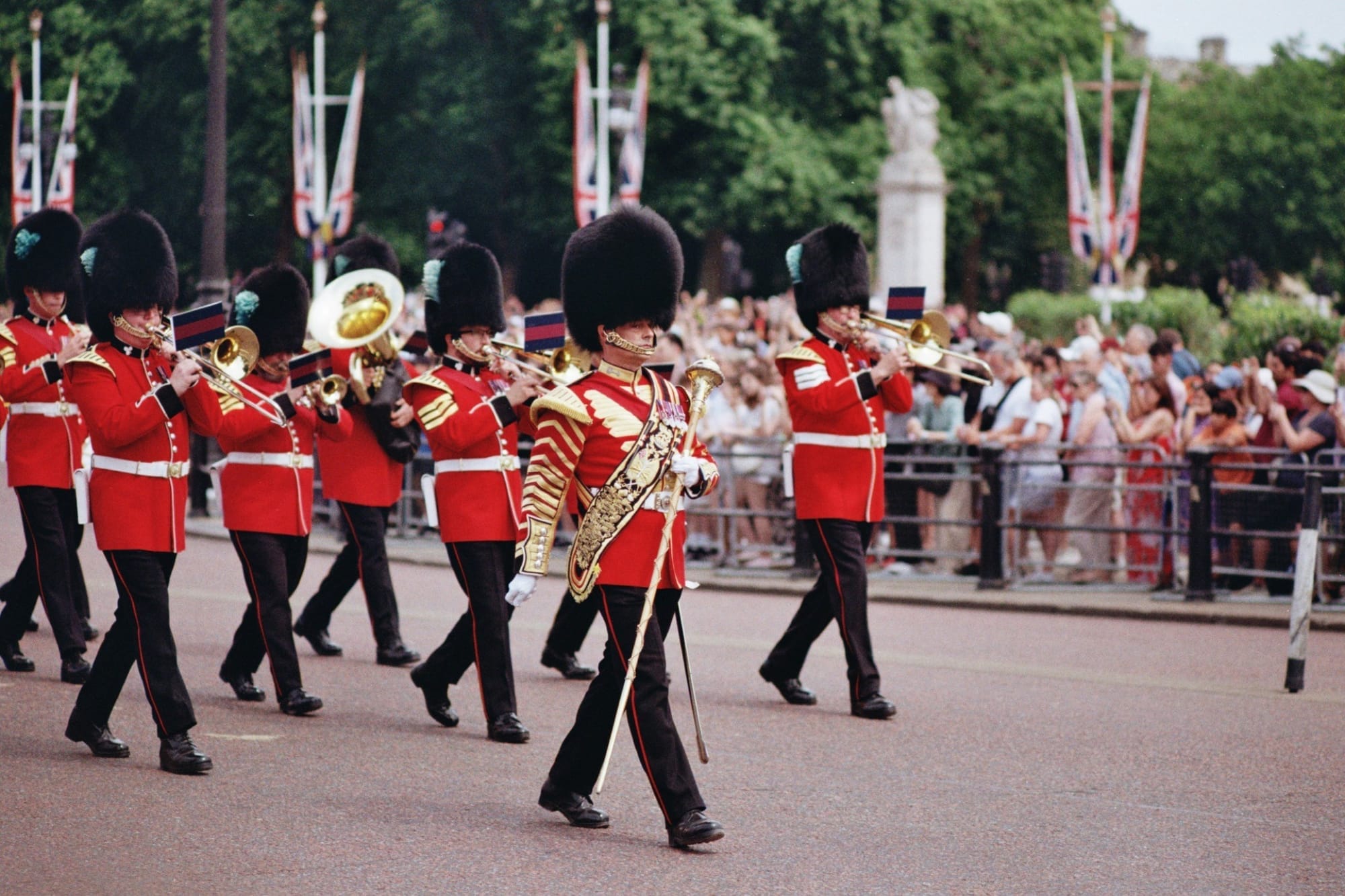
From large-scale events in major cities to smaller community gatherings in rural areas, seasonal celebrations provide visitors with a unique opportunity to experience different aspects of British culture. Whether travelling during the height of summer or the quieter months of autumn and winter, there is always something taking place somewhere across the country.
Travelling Between Festival Cities
Britain’s extensive transport network makes it easy to combine multiple destinations within a single trip. Routes such as London to Manchester are particularly useful for travellers planning to attend events in different regions. Fast rail services connect the capital with northern England in just a few hours, allowing visitors to move efficiently between major cultural centres.
The journey itself reveals changing landscapes, from densely populated urban areas to rolling countryside and historic market towns. Many travellers use these rail connections to create flexible itineraries that combine festivals with sightseeing and local experiences. The convenience of city-centre stations also eliminates the need for lengthy airport transfers.
Because many events are concentrated around weekends and holiday periods, efficient transportation plays a key role in making multi-city festival trips possible. Britain’s rail network helps connect a wide variety of cultural experiences across relatively short distances.
Exploring Scotland’s Celebratory Spirit
Further north, trains from London to Glasgow provide direct access to one of Scotland’s most vibrant cultural hubs. Glasgow has developed a strong reputation for music, visual arts, and community festivals that attract visitors throughout the year. Travelling by train offers a comfortable way to reach the city while enjoying views of changing landscapes along the route.
Scotland’s festival season extends beyond the major cities, with celebrations taking place in coastal communities, island settlements, and Highland towns. Traditional music remains particularly important, often forming the centrepiece of local events. Visitors frequently discover that Scotland’s cultural calendar combines contemporary performances with centuries-old traditions.
Rail travel makes it possible to connect urban festivals with excursions into more remote areas, creating a richer and more varied travel experience. This flexibility is one of the reasons many visitors choose to explore Scotland through a combination of cultural events and scenic journeys.
London’s Year-Round Cultural Energy
London hosts an enormous variety of festivals across all seasons. Summer brings outdoor concerts, food markets, and open-air performances, while winter introduces seasonal celebrations, light displays, and holiday events throughout the city. The capital’s multicultural character contributes to a calendar that reflects traditions from around the world.
Areas such as South Bank, Hyde Park, and Greenwich frequently host major gatherings that attract both residents and international visitors. Alongside these larger events, smaller neighbourhood festivals showcase local artists, musicians, and community organisations. This diversity ensures that there is always something happening regardless of the time of year.
Museums and galleries also contribute to the city’s cultural landscape through special exhibitions, evening openings, and educational programmes. These activities complement the larger festivals and provide additional opportunities for visitors seeking a deeper understanding of British culture.
Manchester and the Northern Arts Scene
Manchester has established itself as one of Britain’s leading cultural destinations. Known for its musical heritage and creative industries, the city hosts a range of festivals dedicated to music, literature, film, and contemporary art. Historic industrial buildings have often been transformed into event venues, creating distinctive settings for performances and exhibitions.
The city’s atmosphere changes noticeably during major events, with public squares and cultural districts becoming gathering places for visitors and residents alike. Independent cafés, galleries, and performance spaces contribute to Manchester’s reputation as a centre for innovation and creativity.
Beyond the city centre, surrounding towns and villages often organise their own celebrations, adding further variety to the regional calendar. This combination of large-scale events and smaller community festivals makes Greater Manchester an appealing destination for cultural travellers.
Edinburgh’s International Reputation
Edinburgh is synonymous with festival culture. Every summer, the city welcomes performers, artists, and audiences from across the globe. The historic streets become stages for theatre productions, comedy performances, and live music events that transform the atmosphere of the Scottish capital.
Outside the peak summer season, Edinburgh continues to host literary festivals, film screenings, and seasonal celebrations. Its historic architecture provides a dramatic backdrop for cultural events, while public spaces encourage interaction between performers and audiences.
The city’s compact layout makes it easy to explore on foot, allowing visitors to move between venues while discovering historic landmarks and local businesses. This accessibility contributes significantly to Edinburgh’s popularity among festival-goers.
Seasonal Traditions Beyond the Cities
Although Britain’s largest festivals often take place in urban centres, many traditional celebrations occur in smaller towns and rural communities. Across England, Scotland, Wales, and Northern Ireland, seasonal events continue to reflect local history and customs.
Spring festivals frequently celebrate the arrival of warmer weather through community gatherings and outdoor activities. Summer brings agricultural shows, village fairs, and coastal events. During autumn, harvest festivals highlight regional food and farming traditions. Winter introduces Christmas markets, lantern parades, and New Year celebrations that vary from one region to another.
These local events often provide a more intimate experience than major city festivals. Visitors gain opportunities to interact with residents and observe traditions that have been maintained for generations.
Music as a Unifying Element
Music remains one of the most significant components of Britain’s festival culture. Large outdoor concerts attract international audiences, while smaller venues support emerging artists and regional performers. Genres range from classical and folk music to rock, jazz, and electronic productions.
Many festivals combine performances with workshops, exhibitions, and educational programmes. This broader approach creates opportunities for participation rather than simply observation. In regions such as Scotland and Wales, traditional music continues to play a prominent role, helping preserve cultural heritage while introducing it to new audiences.
The diversity of Britain’s musical landscape ensures that every traveller can find events suited to their interests. Music often serves as a bridge between different communities and generations, making it a defining feature of the country’s cultural identity.
Conclusion
Britain’s festivals offer far more than entertainment alone. They provide insight into regional traditions, artistic creativity, and the changing rhythms of the seasons. From London’s international celebrations to Scotland’s community gatherings and northern England’s thriving arts scene, the country presents countless opportunities for travellers seeking meaningful cultural experiences throughout the year.