


More news on this day
Operations at South Africa’s Port of Durban were briefly suspended after a localized fire incident, according to early reports from port stakeholders and regional media, adding fresh pressure on a key gateway already under scrutiny for reliability and congestion.
Get the latest news straight to your inbox!
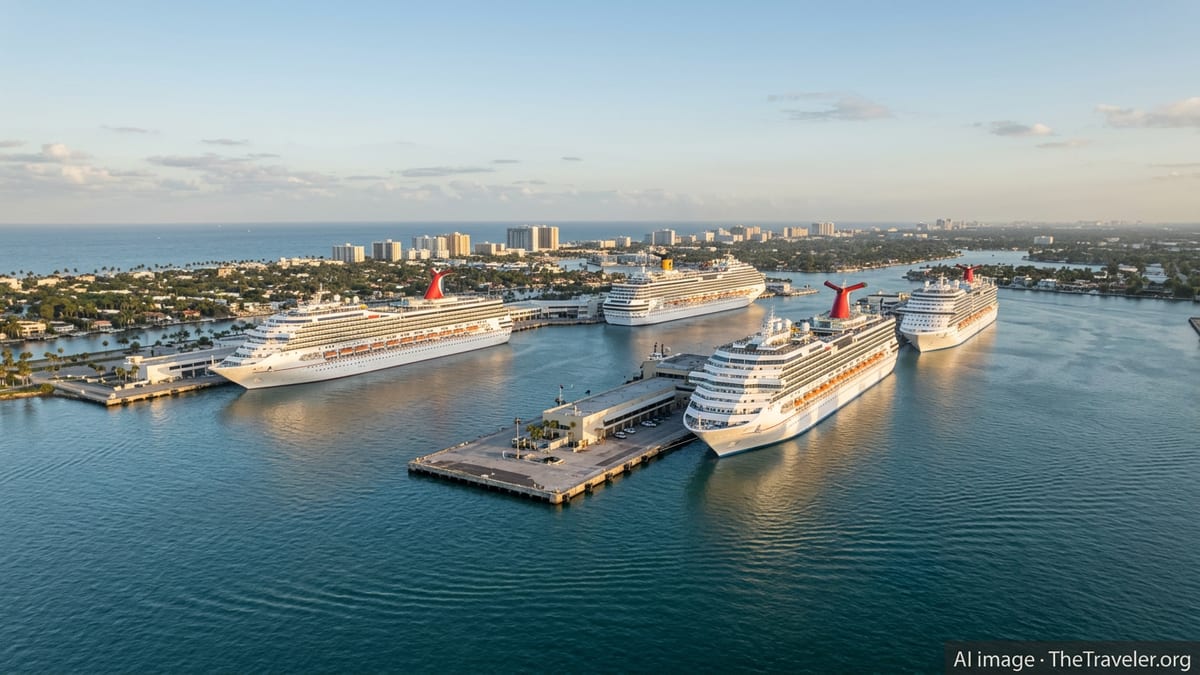
Brief Suspension at a Critical African Gateway
Initial coverage from South African and trade media indicates that a fire in a confined area of the Port of Durban led to a short operational halt while emergency protocols were activated. The disruption appears to have been limited in duration, with marine and terminal activities resuming once the situation was brought under control and safety checks completed.
Early information suggests the incident affected a specific part of the port estate rather than the full complex. As a result, the suspension primarily impacted vessel movements and cargo handling directly connected to the affected infrastructure, while some landside logistics continued at reduced pace.
The Port of Durban is the busiest container gateway in sub-Saharan Africa, handling large volumes of containerized, automotive and bulk cargo serving South Africa’s industrial heartland and several landlocked neighbors. Even short disruptions can therefore reverberate along regional supply chains, particularly for time-sensitive exports and imports.
While full details of the blaze are still being pieced together from public sources, initial accounts indicate that the fire did not cause catastrophic damage and was contained before spreading to adjacent facilities. Port users are nevertheless watching closely for any follow-up restrictions on equipment or berths pending inspections.
Impact on Shipping Schedules and Cargo Flows
Shipping analysts tracking Durban report that the brief suspension prompted some short-term schedule reshuffling as carriers adjusted arrival and departure windows. For vessels already alongside, cargo operations paused temporarily, while ships waiting at anchorage faced revised pilotage slots once marine movements restarted.
For shippers, the immediate effect is expected to be measured in hours or, at most, a small number of days of delay rather than the extended standstills seen during past weather and infrastructure crises. Still, the incident adds friction to a port that has been working to rebuild confidence among exporters, importers and shipping lines after years of congestion and performance concerns.
Publicly available information suggests that container and automotive supply chains are the most exposed segments, given their reliance on tight shipping windows and integrated inland connections. Hauliers and logistics firms serving the port corridor are likely to face compressed turnaround times as they work to clear any backlog created during the suspension.
Forwarders indicate that cargo owners with high-value or just-in-time shipments may need to monitor for potential knock-on effects such as missed transshipments or rolled bookings, especially on services connecting Durban with Asia and Europe, where network utilization is already high.
Safety, Infrastructure and Operational Resilience Under the Spotlight
The fire comes as port operators and regulators worldwide face heightened scrutiny around fire safety, equipment maintenance and emergency preparedness. Industry briefings in recent months have pointed to a global tightening of port state control and a renewed focus on fire risks in terminals and on board vessels, reflecting a series of high-profile incidents in major hubs.
In the South African context, Durban’s experience with storms, flooding and infrastructure failures over recent years has already spurred investment discussions and operational reforms. The latest fire-related suspension is likely to reinforce calls from trade bodies and shipping interests for accelerated maintenance, modern firefighting capabilities and clearer contingency planning at the port.
Observers note that even relatively minor incidents can expose vulnerabilities in older terminal infrastructure, electrical systems and cargo-handling equipment. Regular inspections, improved detection systems and updated emergency drills are increasingly regarded as essential safeguards for ports handling growing traffic volumes.
Travel and trade stakeholders following the story suggest that a transparent account of the incident’s causes and any remedial steps will be important for reassuring global carriers and cargo owners who rely on Durban as a primary gateway into southern Africa.
What Port Users and Travelers Should Watch Next
For shipping lines, cargo owners and logistics providers, the main focus over the coming days will be on how quickly operations normalize across affected terminals and whether any lingering capacity constraints remain. Public schedules and port status updates will be closely monitored for signs of residual delays or temporary berthing limitations.
Travelers with cruises or passenger services transiting the Durban waterfront are unlikely to see major disruptions if, as current indications suggest, the fire damage is contained and safety clearances proceed without complications. However, operators may update boarding times or adjust itineraries slightly if tug and pilotage resources are temporarily reallocated.
Regional exporters of automotive products, manufactured goods and agricultural commodities will be watching terminal performance metrics such as truck turnaround times and vessel waiting periods. A swift return to normal patterns would support ongoing efforts to position Durban as a more reliable, globally competitive hub.
More broadly, the incident underlines how quickly a localized operational event can ripple through travel and trade ecosystems. For travelers, investors and logistics planners, Durban’s response in restoring operations and communicating the status of its infrastructure will be a key indicator of the port’s resilience in an era of mounting operational and safety pressures.