


Relocating to Mexico for the first time changes how and where income must be reported, which authorities require registration, and what annual compliance obligations apply. The first year is critical for establishing tax residency correctly, registering with the Mexican tax authority, and coordinating Mexican rules with those of the individual’s home country. This briefing outlines the key tax and compliance checkpoints to consider in the first 12 months of living in Mexico.
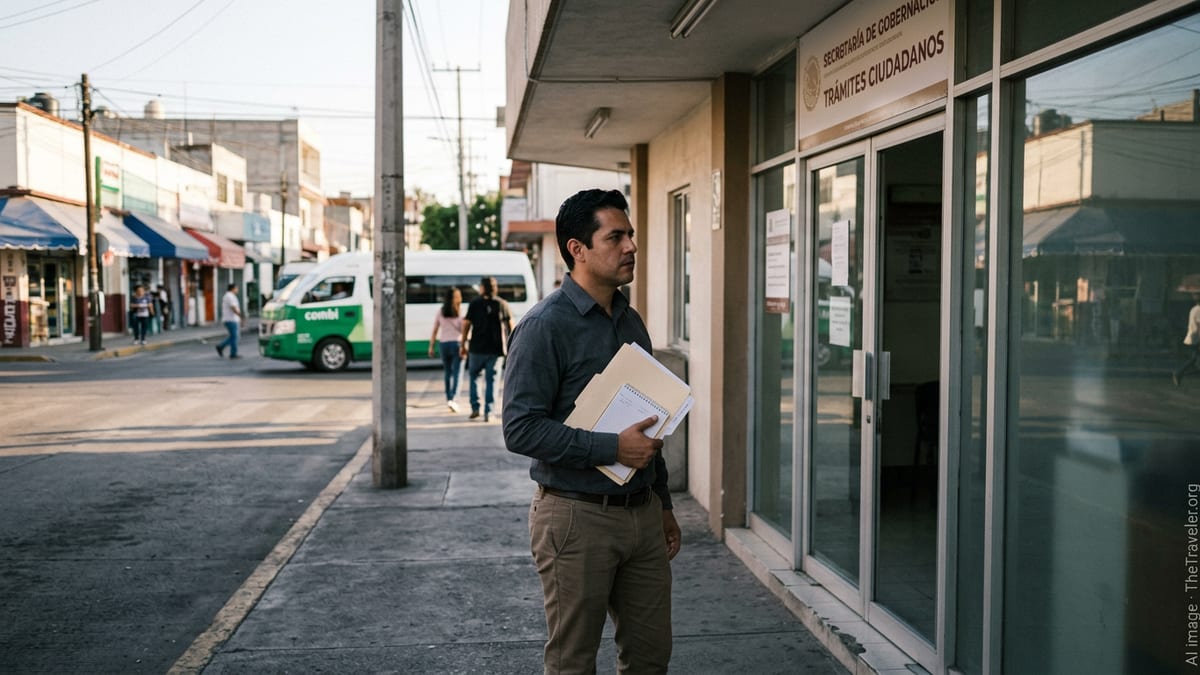
Determining Mexican Tax Residency in the First Year
Mexico generally treats individuals who establish their home in the country or spend more than roughly 183 days in a calendar year within its territory as tax residents. Tax residents are taxed on worldwide income, while nonresidents are taxed only on Mexican-source income. In practice, spending substantial time in Mexico combined with local economic ties creates a strong presumption of tax residency and triggers broader reporting obligations.
Residency is not defined solely by a day-count test. Authorities also consider where an individual’s “center of vital interests” is located, such as the main home, close family, and primary economic activities. For example, if most income is derived from Mexican employment, business, or assets, or if there is no stronger permanent home abroad, Mexico may assert tax residency even if the 183-day threshold is not formally exceeded.
The first year of living in Mexico is therefore the time to map expected days in-country, the location of primary work, and the status of any home maintained abroad. Individuals from countries that have a tax treaty with Mexico should also consider how treaty tie-breaker rules might allocate residency in cases of dual residence. Understanding these rules early in the year supports proactive planning and reduces the risk of being treated as a tax resident retrospectively without having complied.
For those aiming intentionally to remain nonresident in the first year, careful documentation of days spent in Mexico, continued home-country residence, and the location of core economic activities is important. However, any Mexican-source income such as local employment, rental income from Mexican property, or business activities in Mexico can still be taxed in Mexico even without residency status.
Registration with the Mexican Tax Authority (SAT) and Key Identifiers
The Mexican tax authority, known as the Servicio de Administración Tributaria (SAT), requires most residents with economic activity to register for tax purposes. The core identifier is the Federal Taxpayer Registry number, or Registro Federal de Contribuyentes (RFC), which functions as a tax identification number for both individuals and legal entities. An RFC is typically required for formal employment, issuing invoices, opening many types of bank or investment accounts, and purchasing certain assets.
Foreign residents often first obtain a Unique Population Registry Code (CURP), which is a general identity code issued to citizens and residents. The CURP is frequently a prerequisite for obtaining an RFC and for interacting with multiple government services. Together, CURP and RFC form the foundation of an individual’s official identity in the fiscal system and should be secured early in the first year, particularly for anyone working or operating a business in Mexico.
Registration with SAT usually involves submitting personal identification documents, proof of immigration status, and local address information. In many cases, an in-person appointment at a local SAT office is required, although some steps can often be initiated online through SAT’s digital platforms. Once registered, individuals can obtain digital tax certificates and electronic signatures used for filing tax returns and issuing electronic invoices.
Relocation planners should treat RFC registration as a core compliance milestone in the first year. Without an RFC, it is more difficult to work for Mexican employers, formalize business activities, comply with withholding obligations, or claim deductions and credits. It can also complicate day-to-day transactions that rely on formal invoicing and tax documentation.
Understanding Mexican Income Tax Scope and Rate Structure
Once an individual is tax resident, Mexico applies progressive federal income tax rates on worldwide income. The top marginal personal income tax rate for individuals is in the mid-thirties percent range, applied to higher income brackets, with several lower brackets that apply to modest levels of income. Nonresidents are generally subject to specific withholding and fixed rates on Mexican-source income rather than the full progressive scale.
Taxable income categories in Mexico include employment income, self-employment and professional fees, business income, rental income, capital gains, and most investment income. Certain categories may have special calculation rules, withholding mechanisms, or preferential treatment, but as a starting point first-year residents should assume that most recurring income, whether earned in Mexico or abroad, can be within scope once tax residency is established.
It is important to distinguish between VAT and income tax. Mexico levies a value-added tax at a standard rate of around 16 percent on most goods and services. Although VAT is usually embedded in consumer prices and collected by businesses, professionals and entrepreneurs relocating to Mexico may need to register to charge and remit VAT if they are supplying taxable services. This obligation is separate from personal income tax on their own earnings.
In the first year, individuals should prepare to reconcile income taxed at source abroad with Mexican tax liability, considering foreign tax credits where allowed under domestic law or treaties. Forecasting annual gross income and using local tax calculators or professional advice can help estimate the effective tax rate and avoid underpayment. This is especially relevant for people with mixed income streams such as foreign salaries, remote work, investment income, and local consulting.
Mandatory Filings, Withholding, and Deadlines in Year One
Mexico operates on a calendar tax year, with most individual obligations tied to annual and, in some cases, monthly reporting cycles. Tax-resident individuals generally must file an annual income tax return reporting worldwide income by around the end of April of the year following the tax year, although specific deadlines can vary slightly between years and categories of taxpayer.
Employees of Mexican companies typically have income tax withheld at source by the employer, which reduces the need for advance payments by the employee. However, even with withholding, individuals may still be required to file an annual return, especially if they have additional income from self-employment, investments, or rental properties. Foreign residents who only earn salary from a Mexican employer may in some circumstances have their employer’s calculations treated as final, but any additional income generally triggers a personal filing requirement.
Self-employed individuals, independent contractors, or those operating a business are more likely to have monthly advance payment and VAT reporting obligations. These taxpayers must often submit periodic declarations detailing income, deductible expenses, and VAT charged and paid, with an annual reconciliation at year-end. Failure to file returns or pay taxes on time can lead to penalties, surcharges, and restrictions on the use of digital tax certificates.
Relocating in the middle of a calendar year requires particular care. New residents should confirm whether they will be treated as tax resident for the entire year or only from the date of arrival, how foreign income earlier in the year is handled, and whether partial-year filings are needed in both Mexico and the former country of residence. Misalignment of tax years and deadlines between jurisdictions is a common compliance risk in the first year.
Reporting Worldwide Income and Foreign Assets
Individuals who become Mexican tax residents must be prepared to disclose and, where applicable, pay tax on worldwide income, not just income sourced from Mexico. This includes salaries paid by foreign employers, dividends and interest from overseas accounts, rental income from foreign property, and capital gains on disposals of non-Mexican assets. In many cases, double taxation can be mitigated through foreign tax credits or relief under tax treaties, but these reliefs usually require accurate reporting of both foreign income and foreign tax paid.
Mexico has introduced rules aligned with international transparency standards, including participation in automatic exchange of financial account information under frameworks such as the Common Reporting Standard and cooperation agreements with other tax authorities. Mexican financial institutions must identify account holders’ tax residency and report certain account details to SAT, which in turn can exchange data with partner jurisdictions. This environment reduces the feasibility of omitting reportable foreign or domestic assets from tax filings.
In addition to income reporting, certain categories of foreign assets or transactions may trigger specific information reporting obligations. These can include participation in foreign legal entities, ownership of certain foreign investment structures, or use of low-tax jurisdictions. While the exact thresholds and forms change periodically, first-year residents with complex cross-border portfolios should assume that additional disclosures may be required and should compile detailed records of holdings and transactions from the outset.
Individuals who hold significant assets abroad should review whether any controlled foreign company rules, anti-deferral regimes, or deemed income provisions apply under Mexican law. While not all expatriates will be affected, higher net worth or internationally active individuals must factor these rules into their first-year compliance plan.
Coordinating Home-Country Tax Obligations and Information Exchange
Relocating to Mexico rarely eliminates tax obligations in the former country of residence immediately, particularly for citizens of countries that tax based on citizenship or for individuals with ongoing income sources, property, or business operations abroad. The first year often involves concurrent filing obligations in both Mexico and the home country, with tax residency and treaty rules determining primary taxing rights and the availability of credits.
Mexico has an extensive network of tax treaties and separate information exchange agreements that facilitate cooperation with other tax authorities. Under these arrangements, financial account details and certain income payments can be shared automatically or on request between Mexico and partner jurisdictions. As a result, inconsistencies between what an individual reports in Mexico and in the home country may be more easily detected over time.
For individuals who expect to remain tax resident in their home country during the first year while spending time in Mexico, attention must be given to how each jurisdiction’s residency tests apply and whether a tie-breaker article assigns residency to one country. Those who transition mid-year to Mexican tax residency must understand whether they become dual residents and how to allocate income and deductions between periods in each system.
Relocation planning should include coordination between advisers in both countries where substantial income, business operations, or asset holdings span borders. A consistent narrative regarding residency dates, sources of income, and locations of assets is important to support positions taken in both sets of filings and to align with information that may be exchanged through international reporting frameworks.
Compliance Risks, Documentation, and Practical Checklist
Noncompliance in the first year of living in Mexico can result in penalties, interest, and administrative difficulties with banking, employment, or property transactions. Typical risks include failing to register for an RFC despite economic activity, incorrectly assuming that foreign income is not taxable once tax residency is established, or missing the annual return deadline due to differing filing calendars. Under-reporting of income that has already been reported electronically by Mexican payers or financial institutions is particularly visible to SAT.
Maintaining organised documentation reduces these risks. First-year residents should keep detailed records of days spent in Mexico, immigration status changes, all sources of income, tax withheld at source in any jurisdiction, and major asset movements such as property purchases or sales. Copies of invoices, contracts, and bank statements are often required to substantiate deductible expenses or foreign tax credits, and electronic invoices issued through the Mexican system are central evidence for business or professional activity.
A focused first-year tax and compliance checklist can support systematic action. Key items typically include: confirming intended tax residency status; obtaining CURP and RFC; understanding whether Mexican employment or self-employment triggers withholding or monthly declarations; identifying all worldwide income sources; mapping foreign tax credit opportunities; and diarising Mexican and home-country filing deadlines. Where relevant, individuals should also identify any sector-specific obligations, such as local payroll requirements for hiring staff in Mexico.
Given ongoing updates to tax rules and electronic reporting requirements, first-year residents are well advised to monitor SAT announcements and consider periodic compliance reviews. Early detection and voluntary correction of errors generally lead to better outcomes than waiting for a formal audit or inquiry.
The Takeaway
The first year of living in Mexico is a decisive period for setting up tax and compliance arrangements that will influence future years. Determining whether and when Mexican tax residency begins, registering with SAT for an RFC, and understanding the scope of worldwide income taxation are foundational steps that cannot be postponed without risk.
At the same time, relocation does not occur in a vacuum. Home-country tax rules, international reporting regimes, and cross-border asset structures all interact with Mexican tax law, making coordinated planning essential. A structured approach, supported by accurate records and timely filings, helps reduce exposure to penalties and administrative complications.
For globally mobile individuals, Mexico can be a viable long-term base, but only where fiscal obligations are clearly understood and actively managed from the first year onward. Viewing the move through a tax and compliance lens from day one allows individuals to focus on their personal and professional objectives with fewer regulatory uncertainties.
FAQ
Q1. When do I become a Mexican tax resident in my first year?
In broad terms, you are usually considered a Mexican tax resident if you establish your main home in Mexico or spend more than roughly 183 days in the country in a calendar year, or if your primary economic interests are located there. Exact outcomes depend on your full circumstances and any applicable tax treaties.
Q2. Do I need an RFC even if I only have foreign income?
If you live in Mexico and carry out any economic activity, including remote work or professional services, you will generally be expected to obtain an RFC. An RFC is also frequently requested for bank accounts, formal contracts, and other administrative processes, so most residents benefit from securing one early.
Q3. Are my foreign salaries and investments taxable in Mexico?
Once you are a Mexican tax resident, Mexico normally taxes your worldwide income, which can include foreign salaries, pensions, dividends, interest, and rental income. Relief may be available through foreign tax credits or tax treaties, but this usually requires full disclosure of the income and taxes paid abroad.
Q4. Do I have to file a Mexican return if my employer withholds tax?
Mexican employers typically withhold tax from local salary payments, but individuals often still need to file an annual return if they have additional income sources or wish to claim deductions. In limited cases where employment is the only income and withholding is fully correct, an annual filing may not be required, but this should not be assumed without confirmation.
Q5. How are self-employed or remote workers treated for tax in Mexico?
Self-employed individuals, freelancers, and remote workers living in Mexico are usually required to register with SAT, obtain an RFC, and file periodic tax declarations. Their net business or professional income is subject to progressive income tax rates, and they may also need to register for and charge VAT on taxable services.
Q6. What happens if I do not report foreign bank accounts or investments?
Mexico participates in international information exchange frameworks, so foreign financial accounts held by Mexican tax residents may be reported automatically to SAT. Failure to report related income or required asset information can result in penalties, back taxes, and increased audit risk.
Q7. How do double tax treaties affect my first-year obligations?
Tax treaties can help prevent double taxation by assigning primary taxing rights and allowing foreign tax credits, and can also resolve dual-residency situations. However, treaties do not eliminate the need to file returns; instead, you must claim treaty benefits through correct reporting and documentation in each relevant jurisdiction.
Q8. What are the typical filing deadlines for individuals in Mexico?
Mexico uses the calendar year as the tax year, and individual annual returns for most residents are generally due around the end of April of the following year. Self-employed individuals may also have monthly or bi-monthly payment and reporting obligations, especially for income tax advances and VAT.
Q9. Can I correct mistakes from my first Mexican tax return?
In many situations, it is possible to file amended returns or make voluntary disclosures if errors or omissions are discovered. Acting promptly and proactively usually leads to lower penalties and interest compared with waiting for the tax authority to identify discrepancies through audits or data matching.
Q10. Should I hire a tax adviser when moving to Mexico?
Given the interaction of Mexican rules with home-country obligations, treaties, and international reporting standards, many relocating individuals benefit from using a tax adviser familiar with cross-border issues. Professional guidance is especially important for those with business interests, significant investments, or plans to stay in Mexico long term.