


More news on this day
A cluster of cancellations and rolling delays at Chongqing Jiangbei International Airport has disrupted regional air travel, with publicly available data showing 21 flights scrubbed and more than 100 services delayed on major routes operated by Air China, Sichuan Airlines, Hainan Airlines, China Eastern and other carriers.
Get the latest news straight to your inbox!
Wide Ripple Effects Across Western China Routes
The disruption at Chongqing Jiangbei has been felt most sharply on trunk routes linking the southwest hub with western and northern cities including Lhasa, Korla, Urumqi and Harbin. These corridors are critical for connecting remote regions in Xinjiang and Tibet with the broader domestic network, and flight tracking boards showed multiple departures on these legs operating significantly behind schedule or being removed from the schedule entirely.
Services between Chongqing and Urumqi are typically flown by a mix of airlines such as Sichuan Airlines, Hainan Airlines and Air China, with several non stop frequencies each day. When even a portion of those rotations are cancelled, the result is a rapid buildup of stranded passengers at both ends of the route and tighter seat availability on the remaining flights, pushing some travelers onto multi stop itineraries or to different days of travel.
Flights connecting Chongqing with Lhasa and Korla carry additional operational complexity because of high altitude airports and more demanding weather and airspace conditions. When schedules are compressed by cancellations and delays, airlines have less flexibility to swap aircraft or crews on these routes, increasing the likelihood that successive legs are affected throughout the day.
The impact has also extended to northeastern links such as Chongqing to Harbin, where carriers rely on relatively tight turnarounds to keep aircraft utilized. As rotations fall behind their allotted slots, delays can cascade into the evening peak, affecting passengers who may not be aware that an earlier disruption elsewhere in the network is the underlying cause.
Hong Kong Connections and International Links Disrupted
Chongqing’s growing role as a bridge between western China and international gateways such as Hong Kong means irregular operations quickly spill across borders. Flights between Hong Kong and Chongqing, operated by airlines including Air China alongside Hong Kong based carriers, serve as key feeders for long haul services and regional business traffic.
Published schedules show that the Hong Kong to Chongqing sector is normally served by multiple weekly frequencies, with departures timed to connect onward to domestic banks out of Chongqing. When flights on this city pair are cancelled or heavily delayed, passengers risk missing onward connections, and rebooking options can be constrained by high load factors during busy travel periods.
The current wave of disruption at Chongqing Jiangbei has therefore not only affected point to point travelers but also those using the airport as a transfer node between international and domestic legs. In practice, this can mean longer layovers, last minute rerouting via alternative hubs such as Beijing or Shanghai, or in some cases overnight stays when same day connections are no longer viable.
For airlines that market Chongqing as an emerging gateway to western China, maintaining schedule reliability on key international spokes like Hong Kong is central to their commercial strategy. Extended periods of irregular operations risk denting traveler confidence, particularly among corporate customers who prioritize punctuality and predictability.
Major Chinese Carriers Under Operational Strain
The cancellations and delays at Chongqing Jiangbei have prominently involved large Chinese airlines including Air China, Sichuan Airlines, Hainan Airlines and China Eastern, all of which maintain extensive domestic networks into and out of the airport. Publicly available flight trackers and schedule databases indicate that these carriers operate dense patterns of daily services linking Chongqing to major coastal hubs as well as inland provincial capitals.
Because Chongqing is treated as a connecting hub by several of these airlines, irregularities on one sector can quickly spill over into subsequent rotations. A single aircraft operating a morning Chongqing to Beijing leg, for example, may be scheduled to continue onward to another destination and then return via Chongqing later in the day. When the first flight is delayed or cancelled, that pattern can unravel, forcing last minute equipment changes or further cancellations.
Operational pressures are compounded by seasonal factors such as storms, low visibility and airspace flow restrictions that periodically affect central and western China. When such constraints coincide with high demand periods, carriers can have limited spare capacity in both aircraft and crew to absorb unexpected disruptions, increasing the likelihood that multiple flights on the same day are affected.
While some impacted passengers may be rebooked on alternative flights from Chongqing, others may be shifted to services from nearby hubs, adding further complexity to airline operations and potentially shifting congestion to other airports in the region.
Passenger Experience and Knock On Travel Challenges
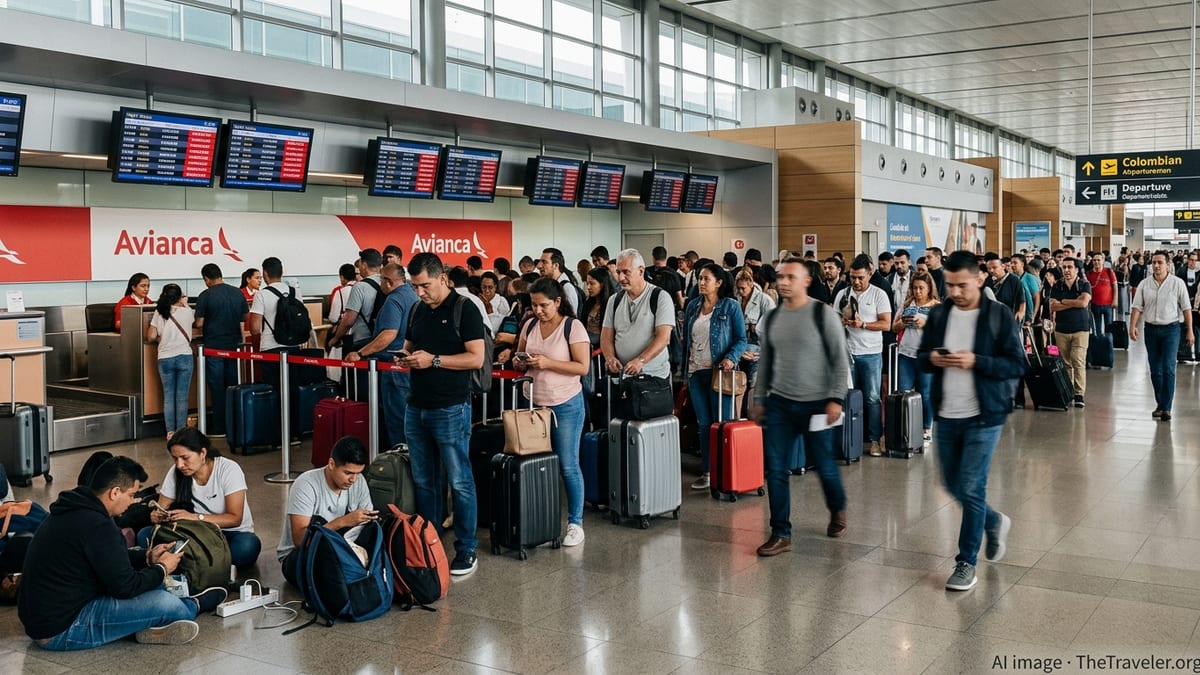
For travelers at Chongqing Jiangbei, the immediate effects of 21 cancellations and more than 100 delays are visible in longer queues at check in counters, crowded departure halls and increased competition for limited same day rebooking options. Domestic travelers heading to Lhasa, Korla and Urumqi face particular challenges, as alternative non stop flights are limited and same day surface transport is not a realistic substitute over such long distances.
Delays on flights to and from Harbin and other distant cities can also have practical implications for hotel bookings, tour arrangements and onward rail connections. Passengers arriving late at night may find fewer ground transport options into city centers, while those missing daytime connections may need to rearrange itineraries at short notice and at additional cost.
The disruption also highlights the growing importance of real time information tools for passengers moving through large hub airports in China. Flight tracking platforms and airline apps allow travelers to monitor changing departure times, gate assignments and the status of connecting flights, although sudden cancellations or rolling delays can still leave limited room for proactive adjustment.
Travel industry observers note that irregular operations of this scale at a major inland hub have broader implications for tourism and business travel in western China. When key nodes such as Chongqing experience sustained operational challenges, the reliability of access to destinations in Tibet and Xinjiang can be affected, potentially influencing how travelers plan future trips and which routes or hubs they choose.
Chongqing Jiangbei’s Role in China’s Expanding Air Network
Chongqing Jiangbei International Airport has grown into one of China’s busiest inland aviation hubs, handling large volumes of domestic and international traffic and serving as a key base for several airlines. The airport connects Chongqing with a broad array of destinations stretching from coastal metropolises to high plateau cities like Lhasa and remote centers such as Korla and Urumqi.
This expanding role has elevated the strategic importance of operational reliability at Chongqing. Disruptions no longer affect only local traffic but reverberate across the national network, given the airport’s position within multi leg itineraries for both leisure and business travelers. The present cluster of cancellations and delays underscores how concentrated disruptions at a single hub can impact a wide geographic area in a tightly scheduled system.
Industry data and publicly available scheduling information show that major carriers continue to add or adjust services through Chongqing as China’s domestic travel market evolves. That growth makes the task of maintaining punctual operations more complex, particularly on demanding routes into western China where weather, terrain and airspace constraints can all affect day to day performance.
The recent operational challenges at Chongqing Jiangbei therefore serve as a reminder of the vulnerability of dense hub and spoke networks to localized shocks. As airlines refine their schedules and contingency plans, the experience of passengers moving through this southwestern gateway will remain a closely watched indicator of resilience across China’s wider air transport system.