


More news on this day
Ronald Reagan Washington National Airport saw a sharp flare-up of disruption on July 5, with publicly available tracking data indicating nearly 30 flight cancellations and a cluster of delays that quickly cascaded through some of the busiest corridors in the United States air network, tangling schedules for travelers bound for Orlando, Boston, Chicago, Toronto and New York’s LaGuardia and JFK airports.
Get the latest news straight to your inbox!
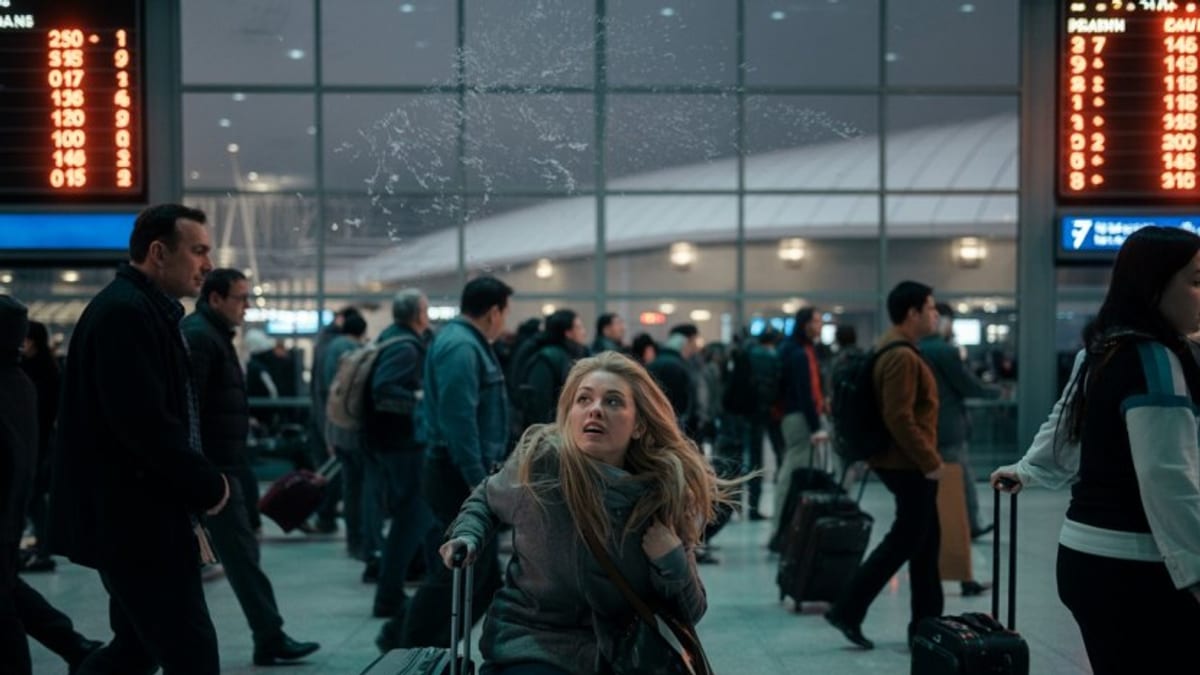
Cluster of Cancellations Hits a Busy Holiday Weekend
The latest disruption at Reagan National comes at a peak summer travel moment, with high passenger volumes amplifying the impact of what remains a relatively small bank of cancellations in pure numerical terms. Even a few dozen scrubbed flights can strand hundreds of passengers when aircraft are operating near full capacity and same-day alternatives are limited.
Tracking services and airport status boards on July 5 pointed to close to 30 cancellations at the Washington airport, affecting a mix of departures and arrivals across the morning and early afternoon. That pattern mirrors recent operational flare-ups at DCA in which a concentrated block of flights has been pulled from the schedule, rather than a broad, all-day meltdown.
Recent performance summaries for the broader U.S. system show that these localized events are increasingly common, particularly on short-haul routes linking political and financial centers. When they occur at slot-constrained airports such as Reagan National, the scope for rapid recovery is limited, increasing the risk of rolling disruption for the rest of the day.
Air travel observers note that, although the number of canceled flights at DCA was far lower than the large-scale events seen during major storms earlier in the year, the timing and route mix made the disruption particularly painful for travelers trying to complete same-day connections or short business trips.
Major Airlines Feel the Strain
The cancellations at Reagan National affected a cross-section of large U.S. carriers and their regional affiliates, with American Airlines, Delta Air Lines, United Airlines, Southwest Airlines and JetBlue Airways all appearing among the impacted operators. These carriers collectively account for the majority of movements at DCA and operate dense shuttle-style schedules to major business hubs.
Publicly available data and recent industry coverage point to a broader pattern in which short-haul, high-frequency flights are often the first to be cut when operational pressures build. These routes are easier to consolidate than long-haul services, but removing them from the schedule can sever critical links between the nation’s capital and financial centers like New York and Chicago.
Performance analyses from recent months have also highlighted how regional feeder operations, which operate under mainline brands, can become a stress point. When regional partners lack crews or aircraft, mainline networks at American, Delta, United, Southwest and JetBlue can experience outsized knock-on effects, even if the large carriers themselves have resources available at their hubs.
The July 5 cancellations at DCA follow several earlier episodes this year in which the same group of airlines faced waves of delays and targeted cancellations tied to weather, air traffic control programs and tight crew scheduling. Those repeated bouts of disruption have left many travelers more cautious about tight connections through Washington and New York airports.
Ripple Effects Across Orlando, Boston, Chicago, Toronto and New York
Although the epicenter of the latest disruption was at Reagan National, the effects quickly radiated across the network. Flights between Washington and Orlando, Boston, Chicago, Toronto, and New York’s LaGuardia and JFK were among those showing interruptions, according to live tracking boards and operational summaries.
These city pairs represent some of the most heavily traveled business and leisure corridors in the United States and Canada. New York, Boston and Chicago function as major domestic and international gateways, while Orlando and Toronto are key leisure and cross-border markets. When links between Washington and these hubs are disrupted, missed connections and rebooking challenges can extend well beyond the original route.
Earlier analyses of nationwide disruptions this summer have documented how even modest issues at one constrained airport can widen into multi-airport congestion, particularly when New York and Washington are both involved. Thunderstorms, en route congestion and traffic management initiatives in the Northeast corridor have all contributed to recent surges in cancellations and delays at JFK, LaGuardia and Reagan National.
Travel data compiled over recent weeks show that these airports have featured prominently in several nationwide disruption events, with Chicago O’Hare, Boston Logan and Orlando International also appearing repeatedly among the top affected hubs. The July 5 DCA wave fits into that broader pattern of recurring stress on high-density East Coast and Midwest routes.
Weather, Airspace Limits and Tight Schedules Create a Fragile System
While no single cause has been identified as the sole driver of the latest cancellations at Reagan National, recent reporting on system-wide performance points to a familiar mix of contributing factors: volatile summer weather, airspace constraints in the Northeast corridor and tight airline schedules that leave little slack for recovery.
Airport status updates in recent days have flagged periods of ground delay and flow-control programs related to thunderstorms around New York and the Mid-Atlantic. When departure or arrival rates are reduced at key hubs such as JFK or LaGuardia, carriers often trim short-haul flights first, including those linking back to Washington, Boston, Chicago and Orlando.
Industry analyses have repeatedly described how airlines have rebuilt aggressive schedules to capture strong leisure and business demand, sometimes outpacing available crews, spare aircraft and gate capacity. In such an environment, disruptions that might once have been absorbed with minimal impact can now cascade quickly if several flights in a tightly timed bank are pushed back or canceled.
Observers also note that DCA’s unique position within restricted Washington-area airspace, along with strict perimeter and slot rules, means that irregular operations can take longer to unwind. With limited room to add extra flights or swap aircraft at short notice, cancellations may be used as a blunt but necessary tool to stabilize the day’s operation.
What Travelers Can Expect and How to Respond
For passengers, the immediate effect of the Reagan National cancellations has been long lines at rebooking counters, tight competition for remaining seats and uncertainty around connections through New York, Chicago and other hubs. Those already en route to DCA or connecting onward to Orlando, Boston, Toronto or additional destinations have had to adjust plans with little warning.
Recent guidance from consumer advocates emphasizes the importance of monitoring flight status frequently on days when storms or congestion are affecting the Northeast and Mid-Atlantic. Travelers are urged to check airline apps and airport information dashboards before leaving for the airport, and to consider earlier departures or more generous connection times when routing through known pinch points such as DCA, JFK and LaGuardia.
Passengers whose flights are canceled can typically request rebooking on the next available service, although options may be limited when several carriers are simultaneously affected. During larger disruption events this summer, some airlines have offered change-fee waivers or flexible travel policies, particularly when severe weather or air traffic control programs are involved.
With school holidays and business travel both contributing to high load factors, industry watchers expect the environment to remain fragile in the coming weeks. For now, the July 5 wave of cancellations at Reagan National stands as another example of how quickly targeted disruptions at a single airport can spread across Orlando, Boston, Chicago, Toronto and New York, reshaping travel plans for thousands of passengers in a matter of hours.