


More news on this day
Escalating heatwaves and heightened wildfire danger across southern Europe are prompting fresh safety warnings for UK holidaymakers, as major Mediterranean destinations grapple with parched landscapes, active blazes and fast-changing travel conditions at the height of the summer season.
Get the latest news straight to your inbox!
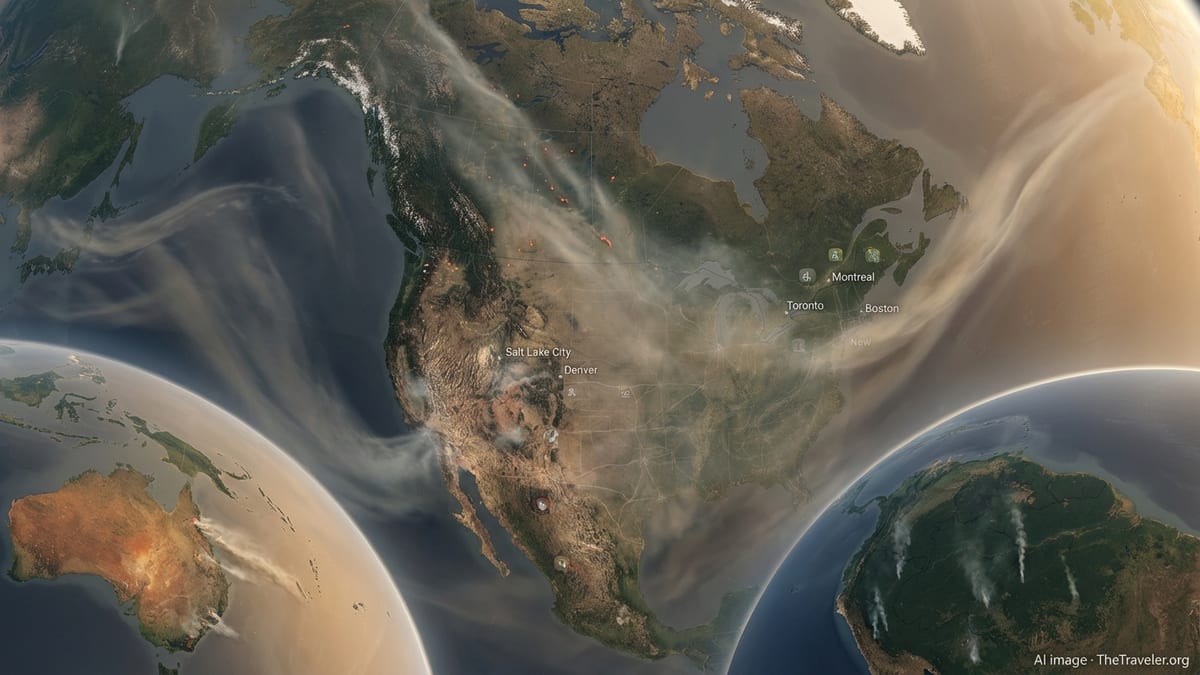
Heatwaves Drive Elevated Fire Risk Across Southern Europe
Large parts of Portugal, Spain, Greece, Italy and southern France have entered another period of intense heat, with temperatures widely approaching or exceeding 40C in recent days. Satellite-based monitoring from European climate services indicates that land surface temperatures in parts of France and northern Spain were already abnormally high by late June, creating tinderbox conditions before the main holiday season was fully under way.
Forecasts drawing on the European Forest Fire Information System point to persistently elevated to extreme fire danger across much of the western and central Mediterranean in early July, particularly on the Iberian Peninsula, in southern France, coastal Italy, Greece and the Balkans. That risk is expected to be reinforced by a second heat dome pattern later in the month, which is likely to prolong hot, dry and windy weather over popular coastal regions.
Climate monitoring by European agencies shows that 2025 was already one of the worst wildfire years on record for the continent, with more than a million hectares burned. Early assessments for the current season suggest burned areas so far are lower than last year but still above the long-term average, underlining how rapidly small incidents can escalate when heatwaves overlap with dry vegetation and strong local winds.
Active Wildfires Disrupting Popular Holiday Regions
As the latest heatwave intensifies, new wildfires are being reported in several Mediterranean countries that are heavily dependent on summer tourism. In Portugal, a large blaze in the central and northern interior has been burning for days, significant enough for the government to request cross-border support under the European Civil Protection Mechanism. Aerial firefighting resources and crews from Spain and Italy have been deployed as part of a shared EU response.
In Greece, fires have broken out in multiple regions, including near Thessaloniki and to the west of Athens, with thick smoke affecting some residential areas and transport routes. Travel magazines and regional media are highlighting the role of new satellite-based detection systems that Greek agencies are using to spot potential outbreaks more quickly, reflecting how authorities across the region are trying to adapt to successive severe fire seasons.
Reports from broadcasters and news agencies also point to scattered wildfires in parts of Spain and the western Balkans, with water-bombing aircraft and ground crews pre-positioned in high-risk zones of Cyprus, Italy, France, Spain and Portugal. While most blazes remain far from major resort strips, dense smoke, temporary road closures and precautionary evacuations can affect visitors at relatively short notice, especially in rural or wooded coastal areas.
What UK Travel Alerts and Insurance Warnings Are Saying
Updated foreign travel advice from the UK government for countries including Greece, Spain and Portugal now emphasises a high risk of wildfires during the core summer months, typically from April or May through to October. The guidance notes that fires can develop quickly, particularly during heatwaves, and that local authorities may impose movement restrictions or evacuate areas as a precaution, sometimes with limited warning.
Insurance industry updates over recent seasons suggest that wildfire-related disruption is increasingly being factored into policy wording for Mediterranean holidays. Some UK travel insurers frame wildfires as a type of natural catastrophe, meaning cover for cancellations, curtailment or missed flights may depend on whether travellers purchased policies before an incident became a known event and whether package providers formally cancel services.
Consumer groups regularly advise travellers to read the small print on force majeure clauses and to check whether their policy covers emergency evacuation from accommodation, additional hotel nights, or new tickets if airports or roads are closed by fire or smoke. Travellers booking last-minute deals in regions under well-publicised wildfire stress may find that some elements are excluded or require higher premiums.
On-the-Ground Impacts: Heat, Smoke and Local Restrictions
For visitors already in Mediterranean resorts, the most immediate effects of the current conditions are intense daytime heat and, in some regions, degraded air quality when nearby fires burn. Health agencies and tourism outlets are encouraging travellers to adjust daily routines, limiting outdoor activity during peak afternoon temperatures, staying hydrated and seeking shade, particularly for children, older people and anyone with respiratory conditions.
Even where resorts are far from active fire fronts, smoke can drift over coastal cities and islands, leading to short-term air pollution spikes and hazy skies. Local authorities may temporarily close forest trails, national parks or rural roads when fire danger indicators rise, affecting hiking, camping and nature-based excursions that are popular with UK visitors seeking alternatives to beach tourism.
Urban centres and heritage sites can also feel the strain of persistent heatwaves. Public transport networks may operate under heat-related speed restrictions, while some outdoor archaeological attractions limit visiting hours or advise against mid-afternoon entry. Travellers may therefore encounter modified excursion schedules, reduced opening hours and more frequent heat-related advisories through hotel operators and tour reps.
Practical Steps for UK Travellers Planning Mediterranean Trips
Prospective UK holidaymakers are being encouraged by travel bodies and airlines to prepare more carefully for wildfire season than in previous years. Before departure, checking the latest Foreign, Commonwealth & Development Office country pages and monitoring local news outlets for destination-specific developments can provide early warning of significant blazes or red-flag heat alerts in particular regions or islands.
Booking flexible arrangements is increasingly seen as prudent. This may include choosing airfares and accommodation with free or low-cost date changes, and confirming how tour operators handle itinerary shifts if excursions are cancelled due to fire danger, smoke or heat. Package holidays purchased through reputable providers can offer additional protections if large areas become temporarily unsafe or unreachable.
Once in destination, travellers are advised to follow any instructions broadcast through local media or shared by accommodation providers about high fire danger days, restricted access to forests, or recommended evacuation routes. Carrying basic essentials such as water, sun protection, copies of travel documents and mobile power banks can help visitors respond more easily if they need to leave accommodation at short notice or face transport disruption.
Experts in climate and risk assessment increasingly frame the Mediterranean summer as a period shaped by recurring extremes rather than occasional anomalies. For UK travellers, that shift means treating wildfire danger and severe heat as central planning considerations when choosing destinations, dates and activities, while staying alert to evolving conditions throughout the holiday.