


More news on this day
Saudi Arabia is facing fresh travel disruption as a wave of short-notice flight cancellations by Saudia, Air France, Turkish Airlines, EgyptAir, Nile Air, Akasa Air and several other carriers affects routes linking the kingdom with Cairo, Paris, Mumbai, Abu Dhabi, Istanbul and major domestic hubs including Riyadh, Jeddah and Medina.
Get the latest news straight to your inbox!
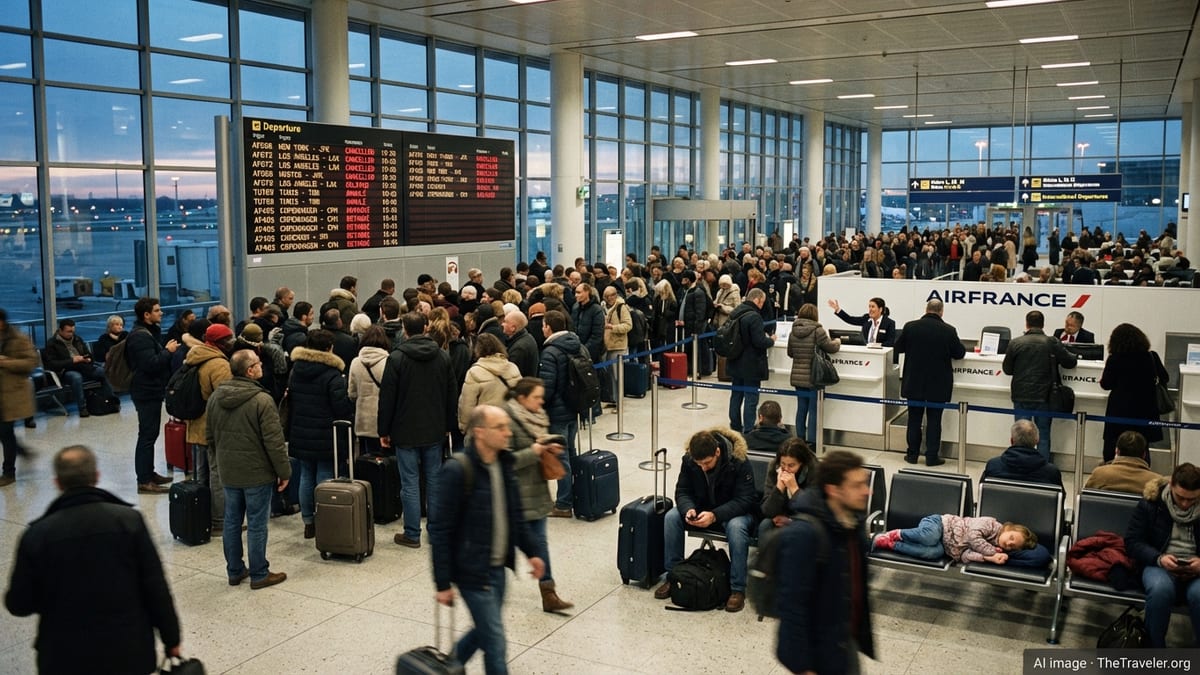
Wave of Cancellations Hits Key Regional and Long Haul Routes
According to publicly available flight status boards and aviation tracking platforms reviewed on 10 May 2026, more than a dozen flights serving Saudi airports were cancelled within a 24 to 48 hour window, interrupting travel plans across the Middle East, Europe and South Asia. The disruption spans both international and domestic services, compounding an already fragile operational environment following months of heightened geopolitical tension in the wider region.
Services between Saudi Arabia and Egypt appear among the most affected, with reports indicating multiple Cairo departures and arrivals cancelled or retimed by Saudia and EgyptAir. Additional adjustments involving Nile Air have reduced capacity on some Saudi Egypt city pairs, particularly during high demand evening and late night departure banks. Passengers connecting through Cairo to onward African and European destinations are reporting missed onward flights and extended unplanned layovers.
On long haul sectors, schedule data shows selected Air France and Saudia flights between Paris and Riyadh or Jeddah withdrawn from sale or marked as cancelled for specific operating days, shrinking premium capacity between Saudi Arabia and France. Turkish Airlines has taken a similarly cautious approach on some Istanbul services into Saudi Arabia, with targeted cancellations affecting both religious and business travel flows.
The cancellations come at a time when Saudi Arabia is positioning itself as a major international hub, so even a relatively small cluster of withdrawn flights quickly cascades into missed connections for travelers heading to Europe, Africa and Asia via Riyadh, Jeddah or Medina.
Domestic Links Between Riyadh, Jeddah and Medina Under Strain
The latest disruption is not confined to international services. Flight status feeds for 9 and 10 May 2026 show several Saudia and other domestic operators’ rotations between Riyadh, Jeddah and Medina either cancelled outright or subject to rolling delays and aircraft changes. Even when same day alternatives are available, reduced frequency on these trunk routes is tightening connection windows and straining airport infrastructure as displaced passengers crowd remaining departures.
Publicly accessible schedules indicate that some evening and late night departures from Riyadh to Medina and Jeddah have been trimmed on select dates, which is particularly challenging for religious travelers using these flights to connect with early morning services onward to other Gulf states, Egypt and the Indian subcontinent. Travel forums and social media posts from affected passengers describe long queues at transfer desks and difficulty securing same day rebooking during peak travel periods.
Operational data suggests that airlines are prioritizing certain rotations to maintain at least a basic spine of connectivity between Saudi Arabia’s main cities. However, the combination of shorter aircraft turnaround times, crew duty limitations and constrained spare capacity leaves the domestic network vulnerable to further disruption if delays accumulate or if weather or airspace restrictions intensify.
The squeeze on domestic links also has knock-on effects for international airlines relying on Riyadh and Jeddah feeder traffic. When local passengers are unable to reach their gateway airport in time, long haul flights may depart with empty seats, eroding yields at a time of elevated fuel and insurance costs.
Indian and Gulf Routes Affected as Akasa Air Adjusts Operations
Travel advisories and airline route maps show that Indian carrier Akasa Air remains in a period of adjustment on its Middle East network, with particular implications for Saudi Arabia. After earlier suspensions and schedule changes on multiple West Asia routes in response to regional security concerns, the airline has refocused on a smaller portfolio, maintaining Jeddah services from key Indian cities while suspending flights to Doha, Riyadh and Kuwait for parts of the current season.
Recent schedule updates nonetheless point to further tactical cancellations on India Saudi routes, including services linking Mumbai and other Indian gateways with Jeddah. Passengers have reported short-notice cancellations and involuntary rebookings, sometimes less than 24 hours before departure, leaving limited time to secure alternative travel options at reasonable cost.
These changes intersect with broader regional capacity shifts by Gulf and South Asian carriers, producing bottlenecks on popular migrant worker and religious travel corridors. With reduced non stop options into Riyadh and constrained frequencies into Jeddah, some travelers are being pushed onto multi stop itineraries via Abu Dhabi, Dubai or Doha, lengthening journey times and increasing exposure to further disruption if downstream segments are also adjusted.
Consumer complaints circulating on travel forums highlight frustration over inconsistent notification practices, with some passengers learning of cancellations only upon attempting online check in. Industry observers note that while safety driven route suspensions can be justified, clear and early communication remains essential to limiting the impact on travelers.
Egypt and Turkey See Capacity Pullbacks on Saudi Routes
Between Egypt and Saudi Arabia, publicly available booking systems show a pattern of tactical capacity reductions rather than full route exits. EgyptAir and Nile Air have both trimmed frequencies on selected Saudi bound services, including flights serving Cairo, Alexandria and secondary Egyptian cities, focusing remaining capacity on periods of highest demand. Saudia has reciprocally adjusted its own operations on certain city pairs, which has resulted in day specific cancellations on routes that were previously multiple daily.
The net effect is fewer seats spread across the same pool of travelers, particularly during weekends and around major religious dates, raising fares on remaining flights and narrowing options for last minute travel. For Egyptian expatriate workers and pilgrims heading to and from Saudi Arabia, this has meant longer booking lead times and a greater risk of failing to secure preferred travel dates.
Turkish Airlines, a major connector between Europe, Turkey and Saudi Arabia, has also implemented selective cancellations on Istanbul services to Riyadh, Jeddah and Medina, according to timetable snapshots for early and mid May. While the carrier continues to operate multiple daily flights on most of these routes, the removal of individual frequencies has reduced flexibility for travelers accustomed to a near shuttle style schedule.
Industry analysts note that airlines are walking a tightrope between maintaining network presence and containing exposure to potential airspace closures, diversion costs and fluctuating demand. Capacity pullbacks allow operators to consolidate loads and protect revenue, but the passenger experience often suffers in the form of overcrowded remaining flights and reduced schedule choice.
What Travelers Flying to and From Saudi Arabia Should Expect
For passengers planning trips involving Saudi airports over the coming weeks, the pattern of cancellations across Saudia, Air France, Turkish Airlines, EgyptAir, Nile Air, Akasa Air and other carriers points to a period of elevated disruption risk. Even where entire routes are not suspended, the targeted removal of single daily frequencies or specific operating days can significantly alter connection possibilities, particularly for those relying on tight domestic to international transfers.
Travel advisories and airline notices consistently recommend close monitoring of flight status in the 24 to 48 hours before departure, as same day schedule changes remain possible. Travelers holding non flexible tickets on affected routes are being encouraged, through published guidance, to consider voluntary rebooking onto alternative dates or times where airlines are waiving change penalties in response to operational disruption.
Passenger advocates suggest building longer connection buffers at Saudi hubs, avoiding last departure of the day options where possible and keeping accommodation plans flexible when flying into cities such as Riyadh, Jeddah and Medina that are currently experiencing intermittent domestic and regional schedule adjustments. While many disrupted passengers are ultimately re accommodated, those with onward non air commitments such as tours or business meetings can face significant downstream consequences when key flights are withdrawn.
Given the interplay of regional security dynamics, airline staffing and fleet constraints, and seasonal demand peaks, observers expect Saudi linked flight schedules to remain fluid in the near term. Travelers using routes to Cairo, Paris, Mumbai, Abu Dhabi, Istanbul and other major destinations through the kingdom are likely to continue feeling the effects of even modest day to day cancellation waves across multiple carriers.