


More news on this day
Travelers at Shanghai Pudong International Airport are facing significant disruption after a wave of flight delays and cancellations involving major Chinese carriers created knock-on effects across domestic and regional routes in East and Southeast Asia.
Get the latest news straight to your inbox!
Major Chinese Carriers Hit by Operational Turbulence
Publicly available flight-tracking data and airline information on 22 June indicate that Air China, China Eastern, Shanghai Airlines and China Southern have collectively recorded a concentrated spell of disruption at Shanghai Pudong, with at least 16 flights cancelled and more than 300 delayed. The figures, drawn from real-time status feeds and aggregated schedule data, point to a day of heavy congestion at one of Asia’s busiest hubs.
The four airlines all regard Shanghai as a strategic base, using Pudong as a primary or secondary hub for extensive domestic and international networks. The concentration of operations means that even a modest number of cancellations can translate into hundreds of delayed departures and arrivals as aircraft, crews and slots fall out of sequence.
While disruption at major hubs is not unusual, the scale of delays at Pudong stands out against recent weeks of gradually improving on-time performance across China’s aviation system. The pattern suggests a localized shock to operations, with Shanghai at the center of a complex web of connections linking mainland China with nearby markets.
Ripple Effects Across China and Northeast Asia
The first wave of disruption has been felt on high-frequency domestic routes linking Shanghai with key Chinese cities such as Beijing, Guangzhou, Chengdu and Xi’an. These trunk services act as feeders for onward international flights, meaning delays can quickly cascade into missed connections for travelers heading to Japan, South Korea and other regional destinations.
According to live status boards compiled from airline feeds, some flights between Shanghai and major Japanese gateways including Tokyo and Osaka have been subject to rolling delays, with departure times repeatedly pushed back. Similar patterns have appeared on routes serving South Korean cities, where tight connection windows at Pudong are leaving transfer passengers with little margin for schedule slippage.
China’s big three state-controlled carriers have built dense networks in Northeast Asia in recent seasons, reinforcing links with Japan and South Korea while maintaining flexible ticket-change policies on certain routes in response to shifting demand and travel conditions. When a core hub like Pudong experiences a spike in disruption, these finely balanced schedules become difficult to maintain, leading to aircraft arriving out of position and forcing further timetable adjustments.
Knock-on Disruptions to Singapore and Southeast Asian Links
The operational stress at Shanghai Pudong is also affecting traffic flows to Singapore and other Southeast Asian gateways, where China Eastern, China Southern and codeshare partners have steadily rebuilt capacity as regional travel recovered. Published schedules show multiple daily services on Shanghai–Singapore routes, serving both point-to-point demand and connecting passengers from across China.
On days marked by extensive delays, aircraft intended to operate to Singapore and onward Southeast Asian destinations may be held on the ground in Shanghai or arrive late from earlier domestic legs. This can trigger further delays or aircraft swaps, complicating seat assignments and inflight service planning for carriers and leading to extended waiting times for passengers at both ends of the route.
Travel industry observers note that Singapore’s role as a regional hub magnifies the impact of any disruption in Shanghai. Passengers traveling onward from Singapore to destinations across Malaysia, Indonesia and Thailand often rely on closely timed transfers. When flights from Pudong arrive late, missed connections can cascade into a longer chain of rebookings and overnight stays.
Operational and Regulatory Context at Pudong
Shanghai Pudong International Airport has been under close scrutiny from aviation regulators in recent months over its on-time performance. Publicly accessible regulatory notices and industry analyses show that the airport has previously faced restrictions on adding new flights after periods of heavy delay, reflecting official concern about punctuality at one of China’s flagship international gateways.
The airport’s role as a major hub for China Eastern and Shanghai Airlines, and as an important international base for Air China and China Southern, contributes to its vulnerability when things go wrong. High runway utilization, dense wave-bank scheduling for connections, and complex air traffic management arrangements in the Yangtze River Delta all make recovery from irregular operations a multi-hour task rather than a quick reset.
Recent incidents at Shanghai’s airports, including minor ground-handling and aircraft-contact events reported in local and national media, have underscored how even isolated operational issues can trigger wider knock-on effects when they occur at peak times. While there is no single publicly confirmed cause for the current cluster of delays and cancellations, the cumulative evidence points to a system operating near capacity and struggling to absorb disruption.
What Passengers Are Experiencing and How to Respond
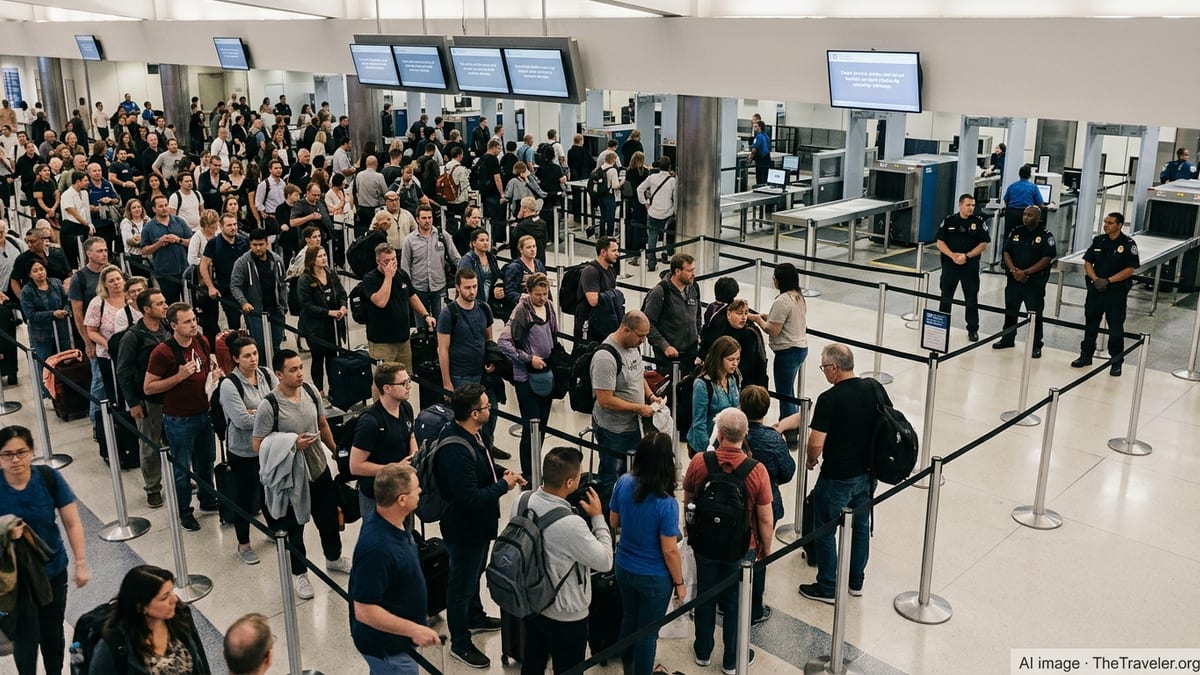
For travelers caught in the disruption at Shanghai Pudong, the most immediate impact is uncertainty. Departure boards have shown multiple rolling delays, with estimated times of departure changing repeatedly as airlines re-sequence aircraft and wait for fresh takeoff slots. In some cases, affected flights have ultimately been cancelled after hours of delay, further complicating rebooking options for travelers with onward itineraries.
Consumer guidance materials published by Chinese carriers outline general measures available when flights are significantly delayed or cancelled, including rebooking on later services, refunds in certain fare classes, and accommodation support when overnight stays become unavoidable. However, these measures often depend on the cause of disruption and the specific conditions of each ticket, leaving many passengers reliant on case-by-case assessments at airport counters and call centers.
Travel advisers recommend that passengers with upcoming itineraries through Shanghai Pudong closely monitor real-time flight status via airline channels and apps, build in extra connection time where possible, and keep digital copies of all booking confirmations. On days like 22 June, when cancellations and hundreds of delays coincide, even well-planned itineraries can require rapid adjustments as the situation at the airport continues to evolve.