


More news on this day
Flight operations in Kenya are gradually returning to normal after aviation workers called off a disruptive strike, clearing the way for airlines and airport operators to restart services following a return-to-work agreement reached early Tuesday.
Get the latest news straight to your inbox!
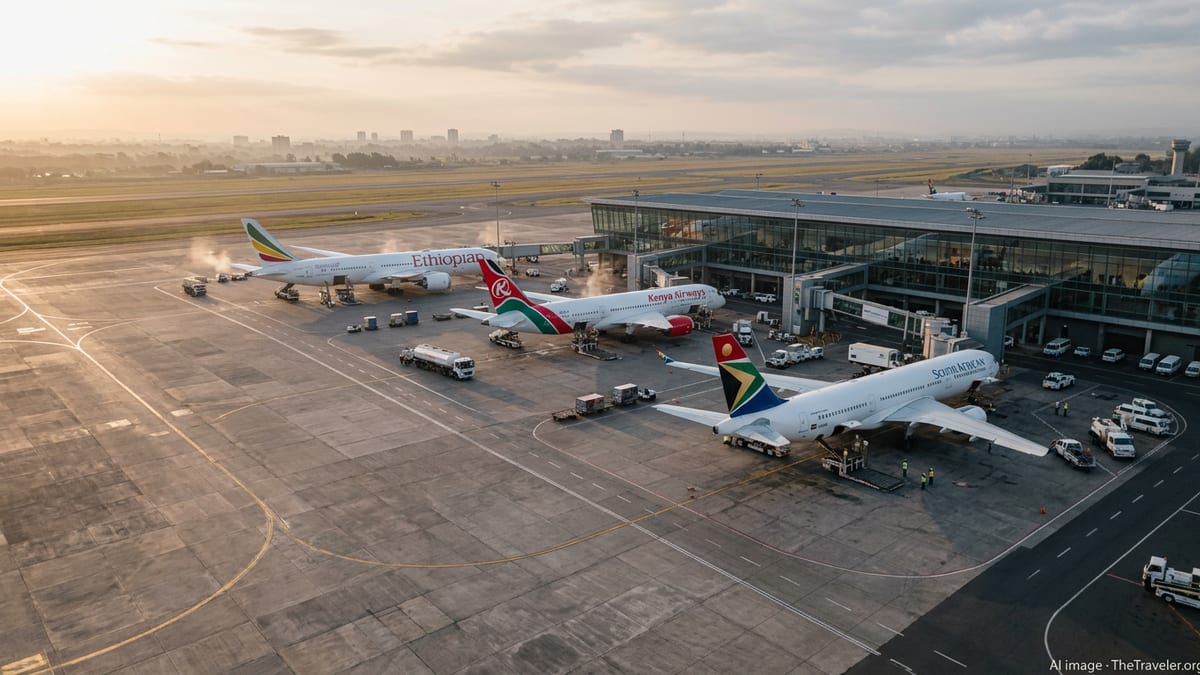
Strike Ends After Return-to-Work Agreement
Published coverage from Kenya indicates that the Kenya Aviation Workers Union (KAWU) suspended its industrial action on September 1, 2026, after reaching a deal with the government and aviation authorities. The move followed overnight talks aimed at resolving a dispute that had slowed or halted flights across several key airports, including Nairobi’s Jomo Kenyatta International Airport (JKIA). Reports describe a formal return-to-work agreement instructing union members to resume their duties without delay.
According to multiple local outlets, the agreement commits KAWU and the Kenya Civil Aviation Authority to resume negotiations on a Collective Bargaining Agreement, a central demand behind the stoppage. The Kenya Airports Authority is also reported to have agreed to remit agency fees owed to the union, while provisions in the pact are said to shield participating workers from disciplinary measures linked to the strike.
The strike, which began as a go-slow on Sunday, August 30, escalated into wider disruption by Monday, stranding travelers and forcing airlines to cancel or significantly delay flights. Publicly available information indicates that, with the deal now in place, KAWU has directed all affected workers to cooperate with airport and airline management to restore operations as quickly as possible.
Airports Move from Disruption to Recovery
Reports from national and regional media show that JKIA bore the brunt of the industrial action, with images of long lines and passengers waiting overnight in crowded terminals. Disruptions also spread to other major hubs such as Mombasa’s Moi International Airport, Eldoret International Airport, and Kisumu International Airport, affecting both domestic and regional connections.
As the strike unfolded, Kenya’s main carriers warned of significant schedule changes. Kenya Airways earlier advised travelers to expect delays of up to six hours on some services, while airport operators issued notices about extended waiting times at check-in, security, and baggage reclaim. Some flights were rerouted, consolidated, or canceled outright as air traffic controllers and other critical staff reduced capacity.
With the strike lifted, airlines have started the process of rebalancing aircraft and crew, a necessary step before full schedules can be restored. Industry experience from previous disruptions suggests that, even after staff return, it can take several days to fully stabilize timetables as carriers work through a backlog of displaced passengers and reposition aircraft to where they are needed most.
What Travelers Can Expect in the Coming Days
For passengers flying to, from, or through Kenyan airports, publicly available guidance emphasizes the importance of checking flight status frequently in the coming days. Many airlines are expected to operate on adjusted schedules while they clear the backlog of stranded travelers, and last minute gate changes or revised departure times may continue as operations ramp up.
Several carriers announced flexible rebooking policies during the strike, allowing ticket holders to change their travel dates without additional fees. While some of these measures may remain in place for a limited period, travelers are advised to consult airline websites or booking platforms for the latest options before heading to the airport. Travel insurers may also handle claims differently depending on individual policy terms, particularly where industrial action is involved.
Airport processes such as security screening and check-in are likely to be busier than usual as operations normalize. Travelers connecting through JKIA and other affected airports may benefit from longer layovers or additional buffer time, especially on complex itineraries involving multiple tickets or separate bookings.
Industrial Dispute Highlights Structural Issues
The resolution of the strike has drawn attention to longstanding labor and funding questions in Kenya’s aviation sector. Coverage of the return-to-work agreement indicates that union representatives focused on issues such as salary structures, recognition arrangements with some operators, and implementation of pay guidelines issued by the Salaries and Remuneration Commission. The agreement’s emphasis on further negotiations suggests that the latest deal is an important step, but not the final word, in rebalancing relationships between staff, regulators, and airport operators.
Analysts note that labor disputes of this kind can have effects beyond immediate flight cancellations, potentially influencing airline network planning and traveler perceptions of reliability. For Kenya, which positions itself as an East African aviation hub and a key gateway for tourism and business travel, maintaining confidence in airport operations is a strategic priority.
Observers also point out that the strike and its resolution unfold against a backdrop of broader pressures on global aviation, including rising operating costs, ongoing fleet renewal programs, and heightened expectations for service reliability. How quickly Kenyan airports recover and how the promised negotiations progress may shape future labor relations and investment decisions in the country’s aviation infrastructure.
Impact on Regional Connectivity and Tourism
The temporary halt in normal operations at Kenyan airports has had ripple effects across East Africa, where JKIA serves as a pivotal transfer point for flights linking the region to Europe, the Middle East, and beyond. Published reports describe how delays at Nairobi cascaded into schedule changes on regional routes, affecting travelers in neighboring countries who rely on the hub for onward connections.
Travel industry observers suggest that short term disruptions may moderate in the coming days as airlines restore usual frequencies. However, tourism stakeholders will be watching closely to see whether the episode affects booking patterns for the upcoming high season. Kenya’s national parks, coastal resorts, and conference venues depend heavily on predictable air access, and even brief interruptions can complicate logistics for tour operators and event planners.
For now, the prevailing assessment in local media is that the swift conclusion of a return-to-work deal has averted a more prolonged crisis. With workers back on duty and negotiations set to continue through formal channels, attention is turning from emergency contingency planning to the practical task of getting travelers moving again through one of Africa’s most important aviation gateways.
Standard Media coverage of the aviation workers strike and agreement
Citizen Digital report on KAWU calling off the strike
Radio Generation summary of the return-to-work agreement
Nairobi Leo article on aviation workers resuming normal duties